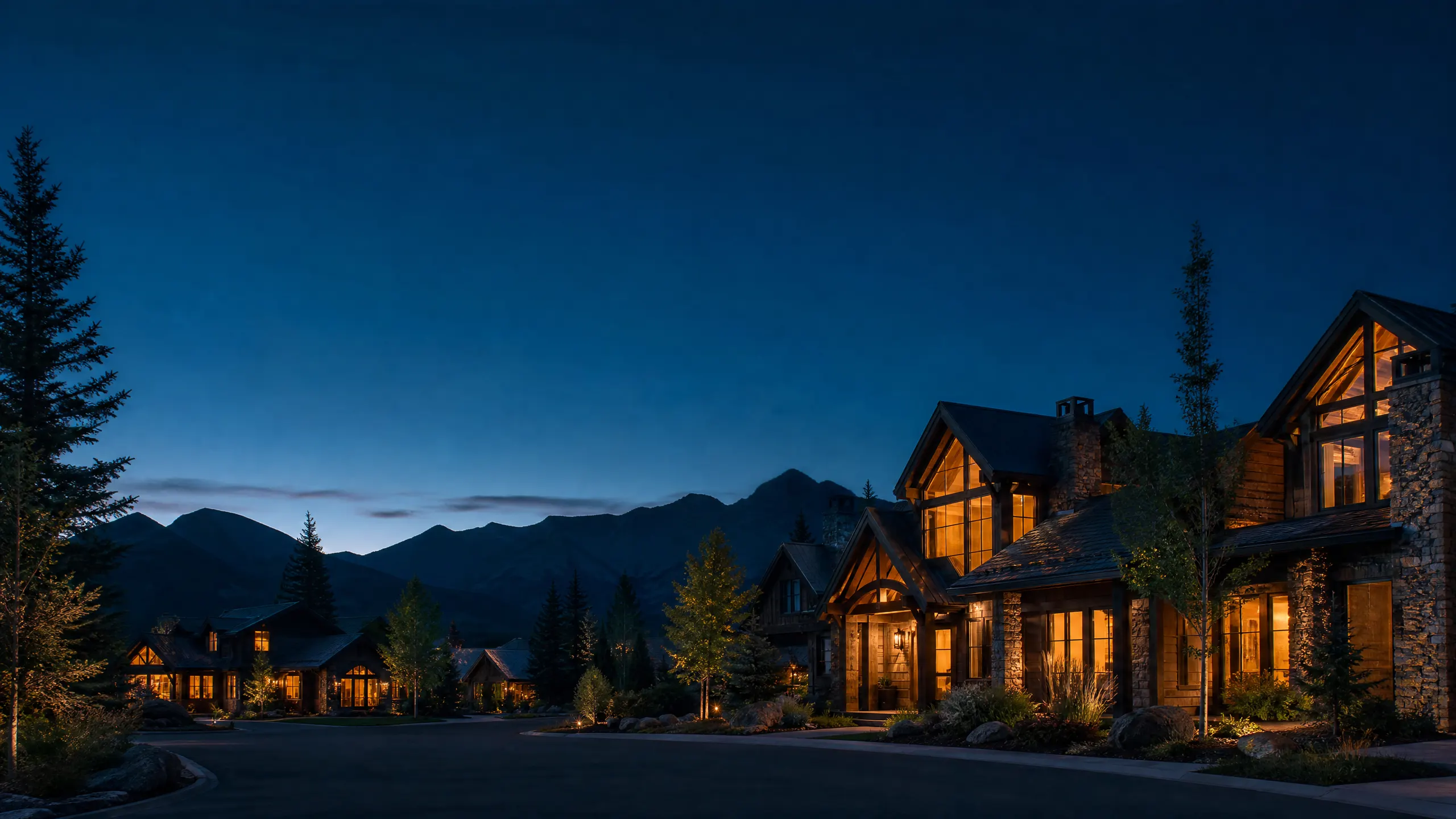

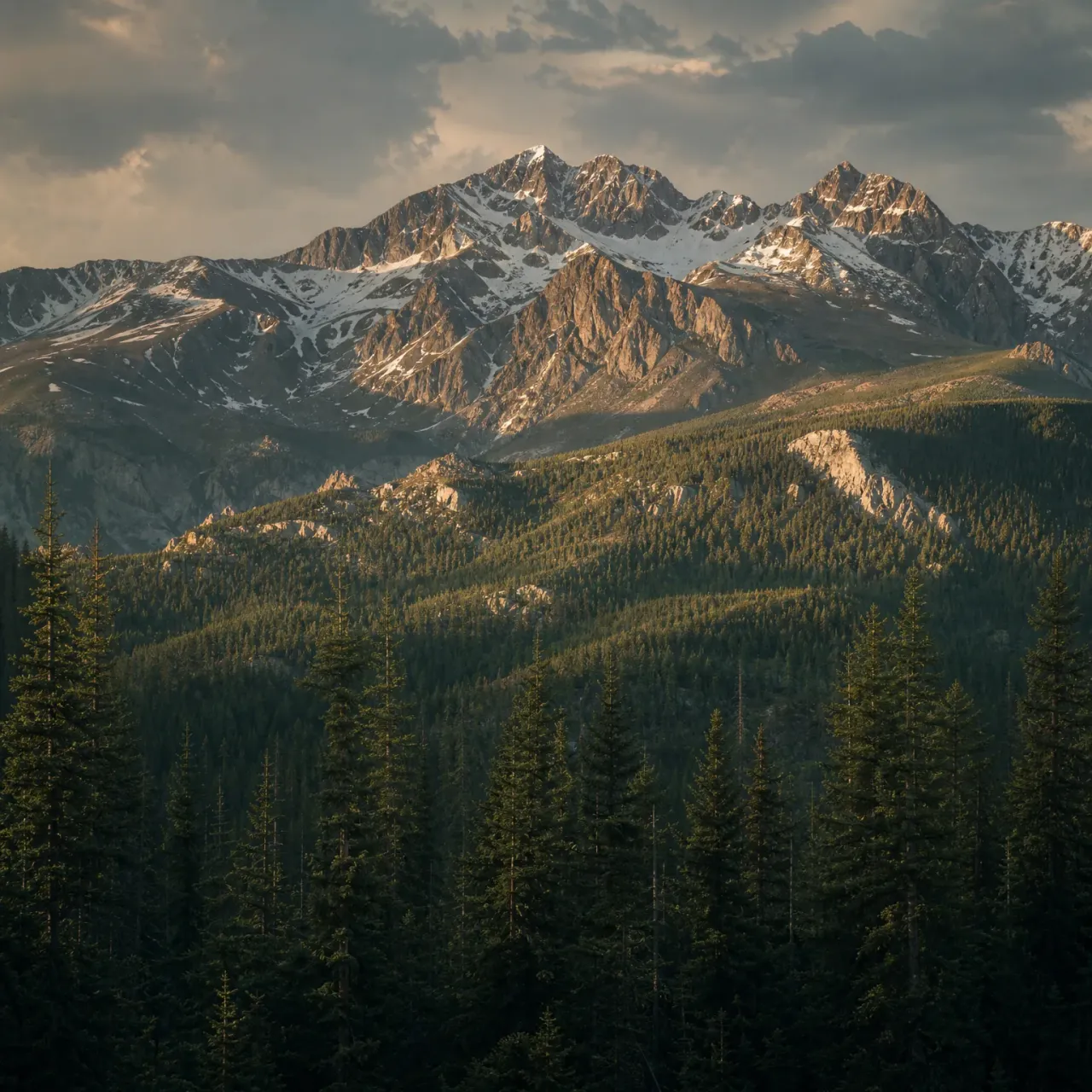

Illuminated stone-and-timber mountain homes line a quiet street at dusk, with evergreen trees and a mountain range in the background.

AC Installation in Arco, ID

Tell us about the job

Takes about a minute. No obligation.

New system or replacementCentral ACButte County, ID
Step 1 of 2

What ZIP code is the job in?

Electricity heats 40.5% of homes in Butte County, more than any other fuel, with bottled or LP gas a distant second at 19.2%. If your home is electric, central air usually means adding an outdoor condenser to work with the furnace or air handler you already have, since the wiring and ductwork are already set up for electric equipment. That makes installation more straightforward than switching fuel types. Ask about the condenser size and the SEER2 rating before you decide, since those determine how the system runs on the hottest days here, not just whether it fits your home.

1 months
July through July, your air conditioner is on duty
79°F
the average summer afternoon it cools against
3 hail events
in ten years, and hail bends the fins on outdoor coils
13.4 SEER2
the federal minimum any new unit must meet
Isometric cutaway illustration of a small home interior with furniture and ducting, showing an indoor air handler connected by lines to an outdoor condenser unit on a pad.
Your air conditioner works hardest from July through July.

NOAA nClimDiv, 1991–2020 normals

July is the only month AC runs in Butte County.

A system that only has to carry one month of heat doesn't need to be the top of the lineup.

Wind and winter storms are the weather risk here, not heat. Standard equipment, installed right, holds up fine.

240 severe weather events from 2015 to 2024
11% of homes statewide lost power a day or more in 2024
144 damaging wind events from 2015 to 2024
Get it in before JulyCooling in Butte County runs one month a year, July, so June is the time to install.

The condenser size matters more than any other number on the quote. Too big and it cools the air fast without pulling the moisture out, so the house feels clammy even at the right temperature. Too small and it runs constantly trying to catch up, which wears the compressor down well before its time. Getting that size right takes a load calculation on the house itself, not a guess based on square footage. Ductwork plays into the price too. If the existing ducts are undersized or leaky, a new condenser can't move the air it's rated for, and that either means duct work alongside the install or a system that never performs the way the spec sheet says it will.

A new system here has to meet 13.4 SEER2

Butte County is zone 6B, a cold climate zone under the 2021 energy code. Any split-system air conditioner installed here under 45,000 Btu/h has to meet 13.4 SEER2 at minimum, so that sets the floor for what a contractor can quote. A federal tax credit is available for qualifying high-efficiency equipment, which is worth asking about when you compare systems.

Find a contractor
An outdoor air conditioning condenser unit mounted on a concrete pad surrounded by gravel, photographed against a partly cloudy blue sky.

Built before the system you're adding

Half the homes in Butte County were built in 1971 or earlier. A new condenser still has to connect to the ductwork and electrical panel already in that house, not the one a newer build would have. That's not a reason to expect trouble, but it's a reason the load calculation and duct check matter more than they would in a newer subdivision. Ask the contractor what they found when they looked at your ducts, not just what size unit they're quoting.

Ask what the warranty actually covers

A compressor warranty and a labor warranty are not the same thing. Some manufacturers cover the part for years but the labor to replace it only covers one. If the compressor fails later, you could own the full cost of pulling it out and putting a new one in. Ask the contractor to spell out what's covered and for how long, in writing, before you sign anything.

Ask who is actually doing the install

The company that sells you the system may not be the crew that shows up to run the lines and set the condenser. Subcontracted crews vary in how carefully they braze a joint or pull a vacuum on the lines, and a sloppy install will shorten the life of a good system just as fast as the wrong size will. Ask whether the people on the quote are the ones doing the work.

An overhead view of a residential air conditioning condenser unit mounted on a concrete pad next to a house with vinyl siding.

Going above the federal minimum saves little here, about $0 a year.

  • A new unit at the federal minimum, 13.4 SEER2$60 a year
  • A higher-efficiency unit$60 a year

Estimates for a typical Butte County home, from EIA household energy data, Idaho fuel prices and NOAA climate normals. Your home will differ.

Sizing a condenser comes down to a load calculation, not a chart matched to square footage. A contractor measures the windows, the insulation, the orientation of the house, how many people live there and what the attic is doing, then works out how much heat the house actually gains on a hot afternoon. Houses that look alike from the street can still need different sized units once those details are worked through. Get the size wrong and the symptoms show up fast. An oversized unit cools the air quickly and shuts off before it has pulled the humidity out, so the house feels damp even though the thermostat says it's satisfied. An undersized one never gets ahead, running long cycles all afternoon and pushing the compressor harder than it was built for. Either way the equipment wears out sooner than it should, no matter how good the brand is.