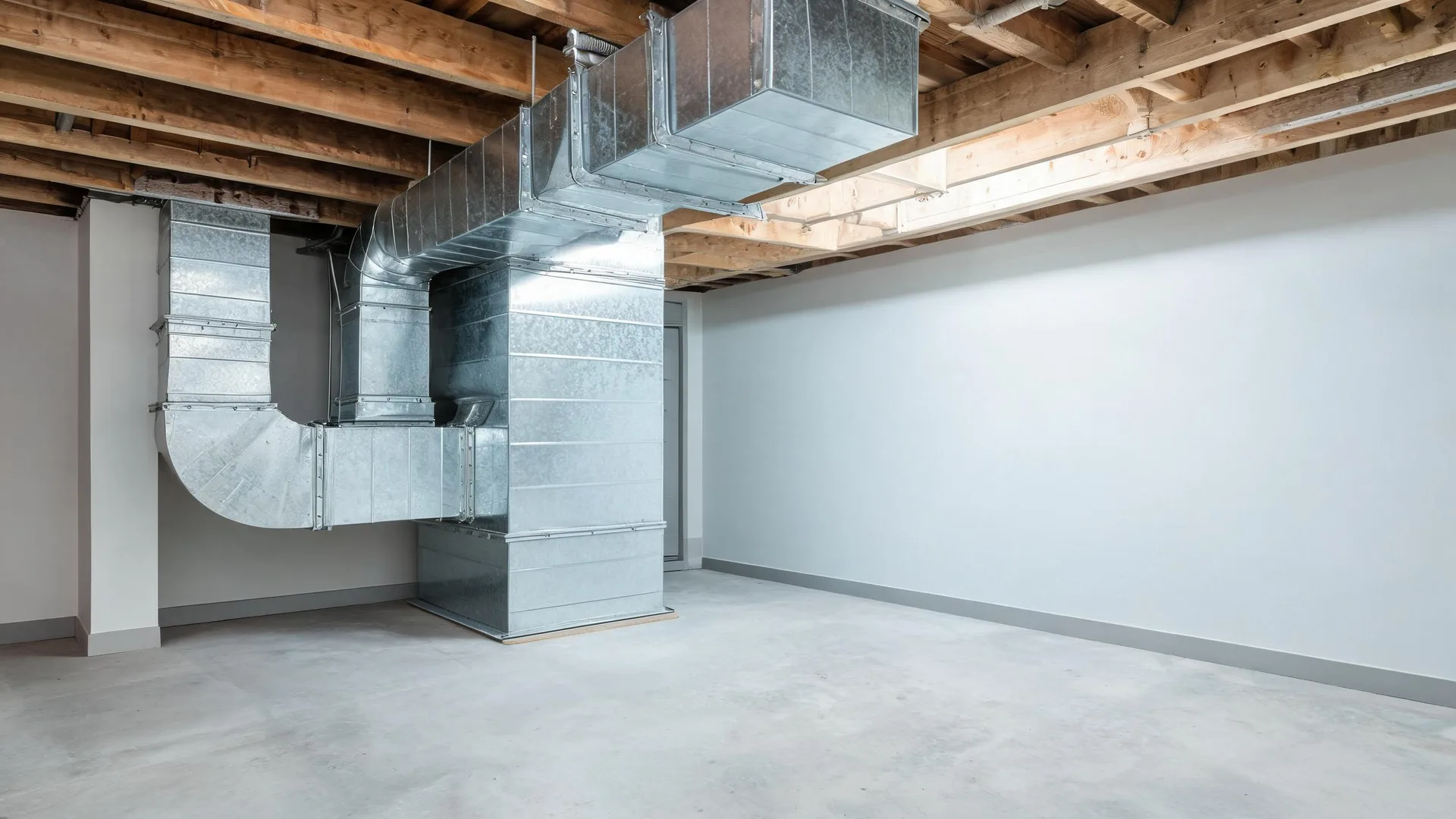
Most furnaces here run on gas
Utility gas heats 58.9% of homes in Bannock County, more than any other fuel. Electricity is next at 31.9%, with a smaller share on propane. A gas furnace is what most homes already have.
Takes about a minute. No obligation.
Utility gas heats 58.9% of homes in Bannock County, more than any other fuel. Electricity is next at 31.9%, with a smaller share on propane. A gas furnace is what most homes already have.
Central air connects to the furnace's ductwork and blower rather than replacing it. If your home heats with the gas furnace common here, the installer is adding cooling to a system already built to move air through the house.

NOAA nClimDiv, 1991–2020 normals
Half the homes in Bannock County were built in 1976 or earlier, half after.
A standard-size system fits either age. Nothing about Pocatello calls for upsizing or special equipment.



Cooling here only runs from July through August. June is the month to get a new system in. Installers book up once the heat starts and homeowners are calling because their old unit just failed. Get it done in June and the install happens on your timeline, with time to fix anything that comes up before the first hot week. Wait until July and you're choosing from whoever has an opening, possibly without air for a few days in the meantime.
Pocatello's summer afternoons average 81°F across June, July and August, and cooling only runs July through August. A system here isn't working against the kind of heat that pushes equipment hard all season. A reliable standard unit, properly installed, holds up fine under that kind of load.
Find a contractor
Ask every bidder for a load calculation, not a quote built off the size of the old unit. Ask what the warranty covers on the compressor and what it covers on labor, since those are separate promises and only one of them costs the installer anything if it fails down the road. Ask whether a permit gets pulled and who does the inspection. Ask what happens to the refrigerant coming out of the old system, since it has to be recovered, not vented into the air. A contractor who answers all of this without hesitation has done the job enough times to know where it usually goes wrong.
If the ducts already in the house are sized right and sealed well, an installer can connect the new coil and get on with it. If a duct run is too narrow or leaky, air won't move the way the new system expects, and that gets fixed before the AC ever turns on. The equipment is only part of the job. What it breathes through matters just as much.
An outdoor unit needs a level pad, clearance on all sides, and a straight run of line set back to the indoor coil. If the old unit sat somewhere awkward or the electrical disconnect is outdated, that gets addressed as part of the install. A straightforward spot with power already in place means less work before the system can run at all.
Estimates for a typical Bannock County home, from EIA household energy data, Idaho fuel prices and NOAA climate normals. Your home will differ.
The old equipment comes out first. The refrigerant gets recovered from the lines, not vented, and the old coil and outdoor unit are disconnected and hauled off. The new outdoor unit goes on its pad and the indoor coil connects to the plenum. The line set between them gets run, then the installer pulls a vacuum on it. That pulls out air and moisture before any refrigerant goes in. Skip that step and moisture left behind turns to acid over time and shortens the compressor's life. Once the lines are clear, the system gets charged to the right refrigerant level. Then it runs. The installer checks airflow at the vents, checks the temperature split between the air going in and the air coming out, and watches it cycle on and off to make sure it's behaving the way it should before the job is called done.