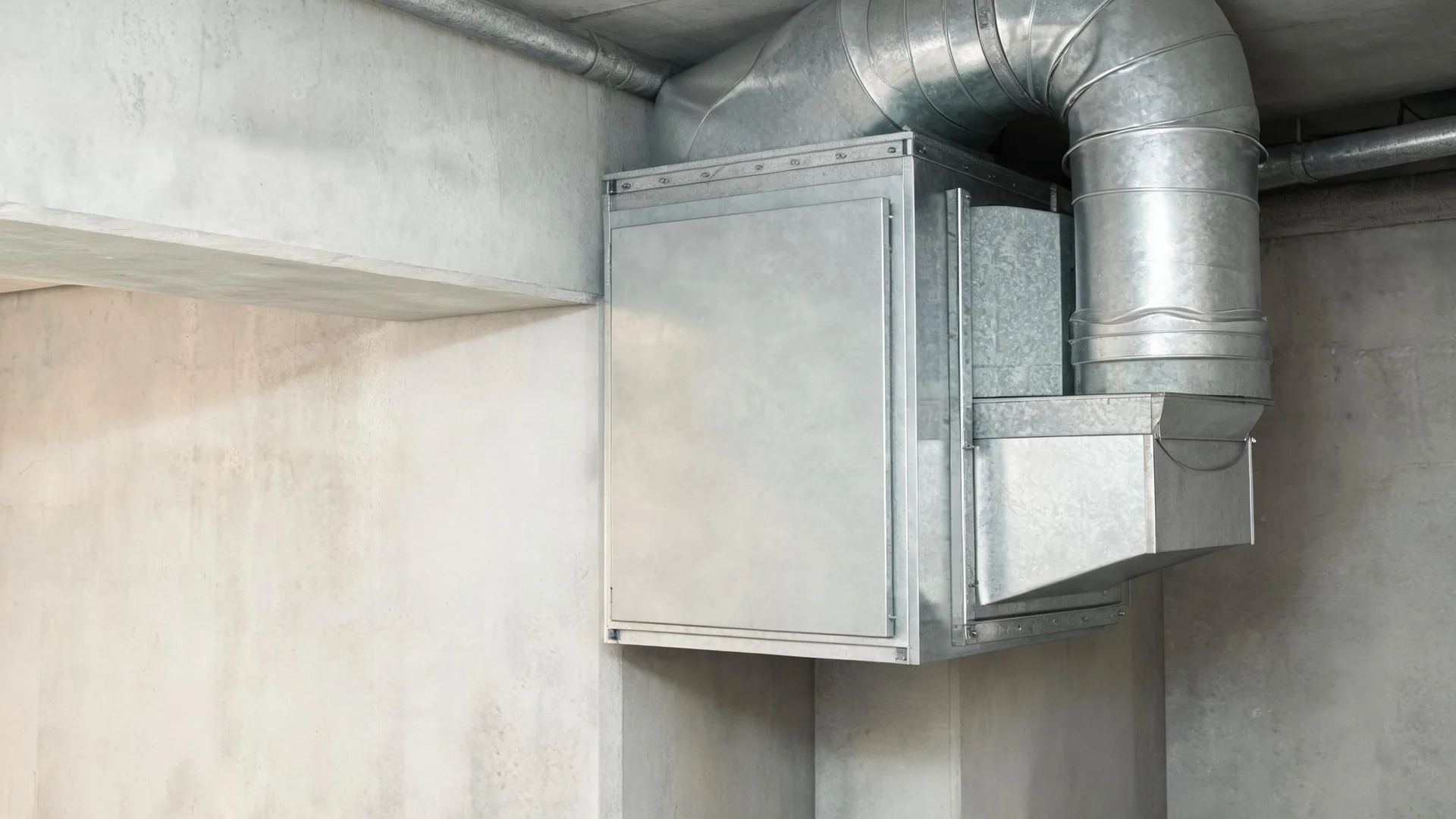
Most of Challis heats with electricity
Electricity heats 59.6% of occupied homes in Custer County, more than any other fuel. A new AC system here usually pairs with an electric furnace or electric heat, not gas.
Takes about a minute. No obligation.
Electricity heats 59.6% of occupied homes in Custer County, more than any other fuel. A new AC system here usually pairs with an electric furnace or electric heat, not gas.
If your home already runs on electric heat, a heat pump can cover both the cooling and some of the heating load through the same outdoor unit. It is worth comparing against a straight AC swap before deciding.

NOAA nClimDiv, 1991–2020 normals
Summer afternoons in Challis average 73°F.
An AC here won't work hard, so a reliable mid-range system is enough.

Custer County falls under zone 6B, a cold climate zone with winter lasting most of the year. Any split-system air conditioner installed here under 45,000 Btu/h has to meet 13.4 SEER2 at minimum, the federal standard for units built since January 2023. That's the floor, not a target, so most new systems sold today already clear it. The zone itself doesn't push you toward a higher tier. With summers this mild, there's little case for paying more for a higher SEER2 number than the install needs.
A reliable mid-range system fits this job. Electricity here runs cheap, so a higher SEER2 number costs more up front than it saves you later. Spend the difference on a system that matches your home and holds up, not on an efficiency tier you won't earn back.
Find a contractorThe unit outside will sit idle most of the year. June, July and August average 73°F in the afternoon, so even in the warmest months it won't run hard for long. That's not much wear on a compressor. What catches up with a system here is more likely a windstorm or a few years without a filter change than the heat, so a straightforward unit installed well should hold up fine.
A contractor should size a new system by measuring the house, the windows and the insulation, not by matching whatever is being replaced. A system sized off the old one just repeats someone else's mistake. Ask to see the numbers, not just the recommendation.
The new condenser only moves as much air as the ducts let it. If the ductwork is undersized, leaky, or was built for a smaller system, a better unit outside will not fix what is happening inside the walls. Ask whether the ducts were inspected and whether they need any work before the new system goes in.
Estimates for a typical Custer County home, from EIA household energy data, Idaho fuel prices and NOAA climate normals. Your home will differ.
The old outdoor unit gets disconnected, drained of refrigerant, and hauled away once the new one is set and running. That refrigerant can't just be vented. It has to be recovered into a tank and taken off site, since releasing it into the air is against the law. The indoor coil usually comes out too, especially if the new system uses a different refrigerant or a different coil size than the old one. Copper line sets get reused when they're in good shape and rated for the new system, but a contractor may swap them if they're undersized or damaged. None of this should hold up the install. A same-day swap is normal as long as access to both units is easy.