






A paved lane lined with gravel shoulders passes a row of dark-sided cabins with metal gable roofs, bordered by a peeled-log fence in the foreground and tall pine trees under an overcast sky.

AC Installation in Hailey, ID

Tell us about the job

Takes about a minute. No obligation.

New system or replacementCentral ACBlaine County, ID
Step 1 of 2

What ZIP code is the job in?

Idaho homes paid 11.52 cents per kilowatthour in 2024, well below what most of the country pays. That changes how to think about a new AC. The top-efficiency model still uses less power than a basic one, but at this rate it takes longer to earn back the difference in what you paid for it. That doesn't make efficiency worthless, it just means it shouldn't be the only thing deciding the purchase. How well the unit is sized to your house, how well it's installed, and how long it holds up matter more to what you get out of it.

1 months
July through July, your air conditioner is on duty
78°F
the average summer afternoon it cools against
2 hail events
in ten years, and hail bends the fins on outdoor coils
13.4 SEER2
the federal minimum any new unit must meet
Isometric line illustration of a cutaway single-story building showing interior rooms, ceiling ductwork, an indoor air handler, and an outdoor condenser unit connected by a line set.
Your air conditioner works hardest from July through July.

NOAA nClimDiv, 1991–2020 normals

Hailey only runs the AC in July, with afternoon highs near 78 even through summer.

A system that sits idle most of the year doesn't need to be the toughest one on the lot.

One month of cooling. Get it installed in June, before July asks anything of it.

Cooling runs July through July
Summer afternoons average 78°F
38 damaging wind events from 2015 to 2024
Winter decides more than summer doesBlaine County saw 142 winter storms and 38 damaging wind events, against 2 hail events.

So when you're picking a system, ask the contractor about sizing before you ask about the efficiency rating. A unit that fits your house right will run less and wear less than an oversized one, no matter what's printed on the label. Ask what the installed warranty covers too, and for how many years, since that tells you more about what you'll get out of this purchase than a few points of efficiency ever will. A system that only has to carry one month of real cooling load should be judged on whether it starts up without trouble and keeps doing that year after year.

Pick a system sized for one month of work, not a harder climate

One month of real work a year is not much to ask of a system. Pick one that starts without trouble and keeps doing that, rather than paying more for a toughness this job won't use.

Find a contractor
A man in a dark shirt and tan work pants, seen from behind, climbs porch steps toward a green front door while carrying a waxed canvas tool bag, with a potted evergreen shrub to the left.
A gray metal air conditioning condenser unit mounted on a concrete pad in a flat grassy field under a partly cloudy sky.

What's in the old unit has already told on itself

The old outdoor unit doesn't get hauled off still running. By the time someone pulls it, the compressor has usually been losing capacity for years, a little at a time, so the system runs longer each cycle to make up for it without anyone noticing. Refrigerant doesn't wear out, but a slow leak will drop the charge low enough that the compressor strains every time it starts. That's often the last thing to go. Whoever disconnects it has to recover the refrigerant before the unit can be cut loose and scrapped, since it can't just be vented into the air. None of that argues for keeping it running longer than it should. A compressor on its way out tends to fail at the worst time, not the convenient one.

The ductwork decides more than the unit does

If the existing ducts are undersized or leaky, a new outdoor unit can't make up for it. A contractor may need to seal joints, add a return, or resize a trunk line before the new system can move the air it's rated to move. Skip that work and the new unit will run harder than it should, no matter how good it is.

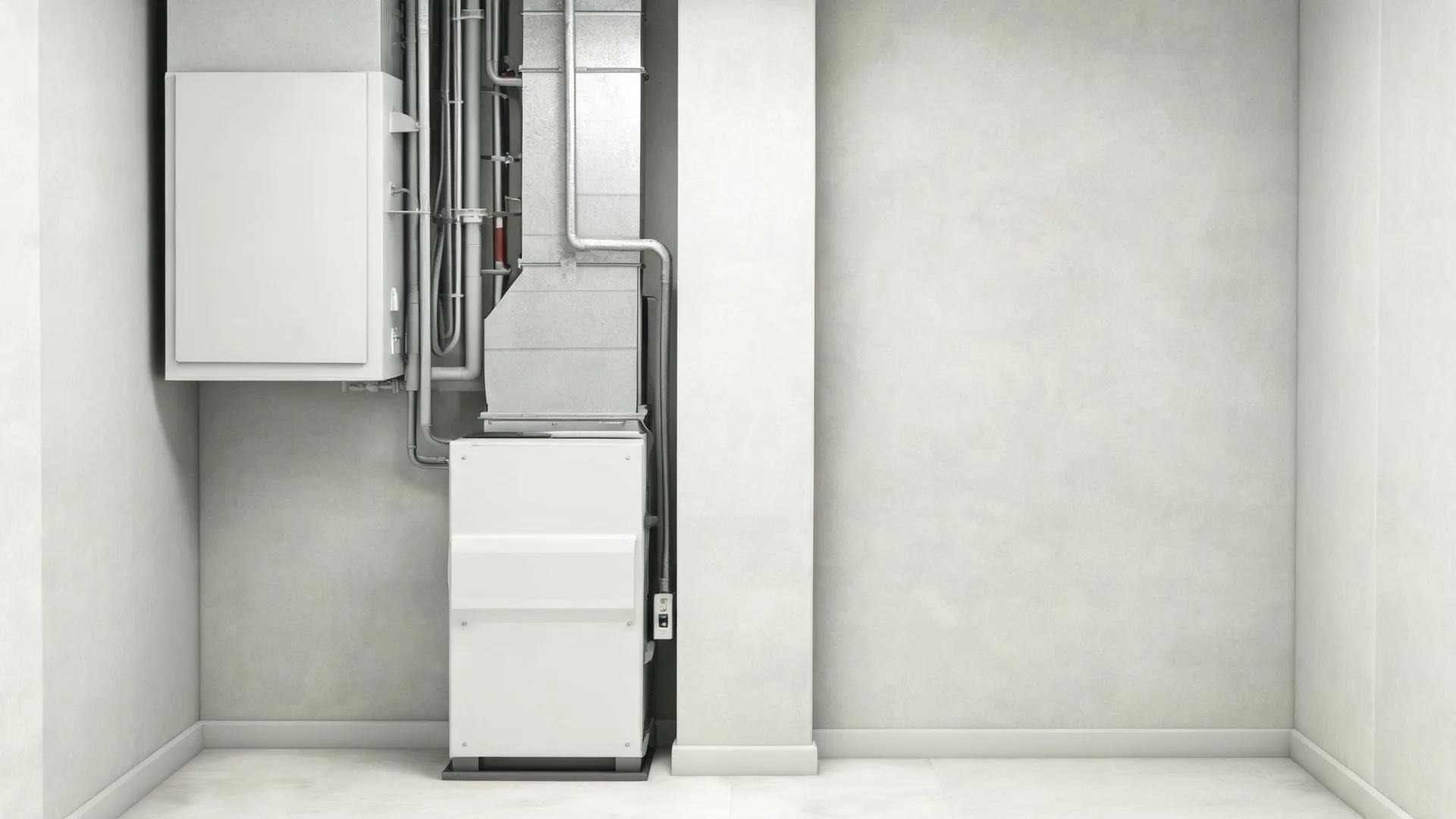
Where the line set and pad go costs real labor

Setting the new condenser where the old one sat keeps the job simple. Moving it, running a longer line set to the indoor coil, or pouring a new pad all add work before the system ever turns on. Tight clearances around the house, or a disconnect that needs relocating, add more.

An outdoor air conditioning condenser unit mounted on a concrete pad next to a blue-sided residential house at sunset.

Going above the federal minimum saves little here, about $10 a year.

  • A higher-efficiency unit$50 a year
  • A new unit at the federal minimum, 13.4 SEER2$60 a year

Estimates for a typical Blaine County home, from EIA household energy data, Idaho fuel prices and NOAA climate normals. Your home will differ.

Install day starts with the old system coming out. The new outdoor unit sits on the pad and the indoor coil goes into the cabinet alongside the furnace or air handler. The line set connecting them gets brazed, not just screwed together, then it gets pressure tested so the joints prove out before any refrigerant goes near them. After that the lines get pulled down with a vacuum pump to clear out moisture and air, since either one left behind causes problems later. Refrigerant goes in last, weighed to the amount the system calls for rather than topped off by feel. Before anyone leaves, the airflow across the coil gets checked, along with the temperature split between the air going in and the air coming out, and the system gets watched through a full cycle to make sure it starts and stops the way it should. Skip the vacuum or guess at the charge and the system can still run fine for a while before the trouble shows up.