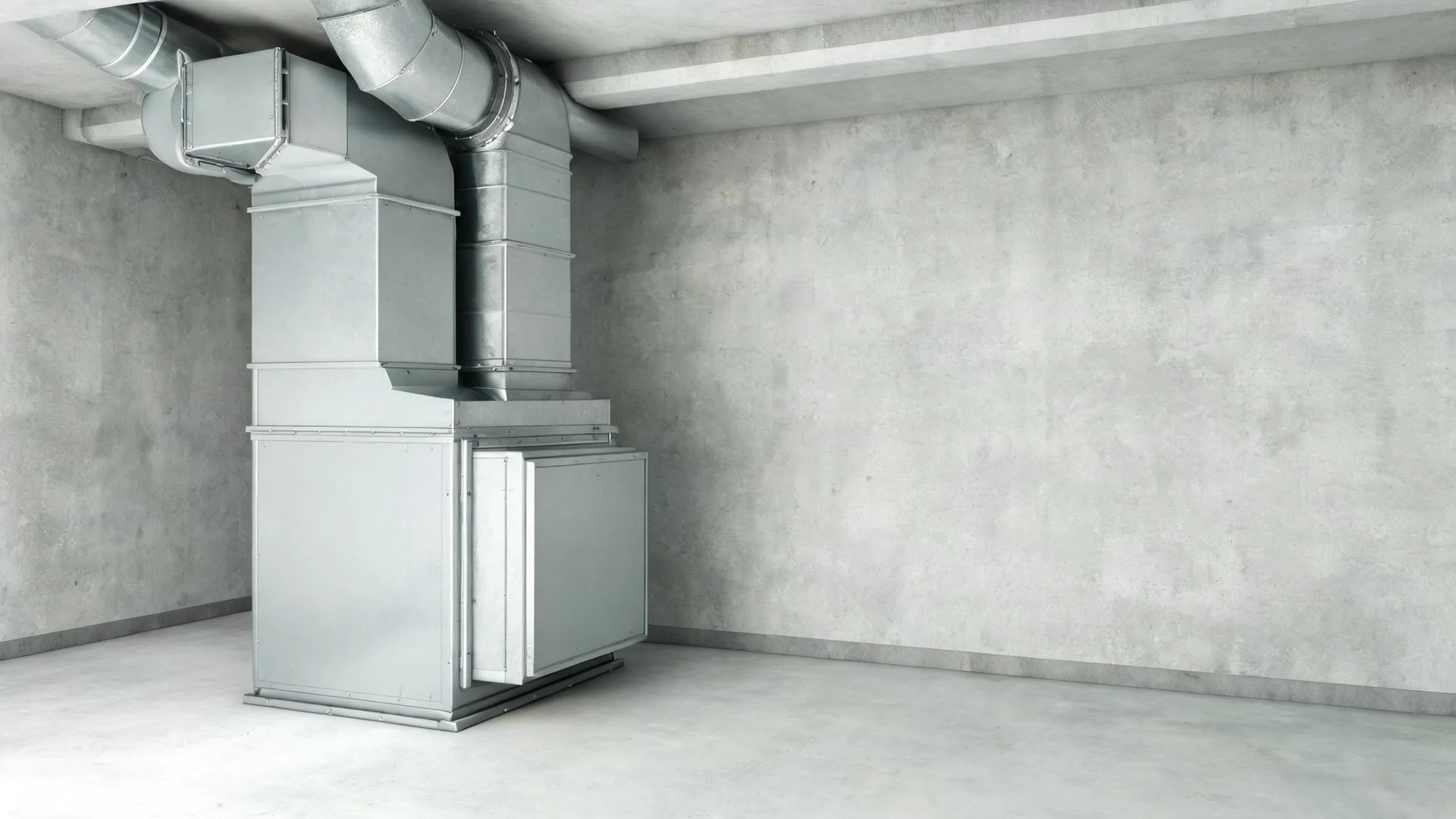
Most homes here run on gas
Utility gas heats 56% of occupied homes in Bonneville County, the most common fuel by far. Electricity is next at 37.8%, with a small share on bottled or LP gas.
Takes about a minute. No obligation.
Utility gas heats 56% of occupied homes in Bonneville County, the most common fuel by far. Electricity is next at 37.8%, with a small share on bottled or LP gas.
If your furnace runs on gas, the AC installed alongside it works off the same ductwork and the same air handler. That makes a straight swap or a new install simpler to plan than guessing at a different setup.

NOAA nClimDiv, 1991–2020 normals
Summer afternoons here average 77 degrees.
A new AC in Bonneville County won't be working against much heat.


Bonneville County is zone 6B, a cold zone with winter stretching long past what most of the country deals with. That rating is about keeping heat in the house, but it still sets the floor for what goes in to cool it. Any split-system AC under 45,000 Btu/h built new has to hit 13.4 SEER2 at minimum, no matter where it's installed. So the starting point here is the same one most of the country works from. There's still a real range of units above that floor, and the climate zone doesn't narrow the choice any further.
Since the heat here is mild, the system doesn't have to be the top-tier model to hold up well. A reliable unit sized right for the house will do the job for years.
Find a contractorThe SEER2 number on the label says how much cooling the unit gets out of the power it draws, averaged over a season of starting and stopping. A higher number means less power spent for the same cooling. That number is fixed on the unit itself, set by how it was built, not by the house it goes into. What is not fixed is how many hours a year it actually runs to earn that rating. A unit that only cycles on now and then in the warmer months puts fewer total hours on itself than one running long stretches through a hot summer. The rating tells you the unit's efficiency. The run time tells you how much that efficiency adds up to.
A contractor sizing a new system looks at square footage, window area, insulation and duct layout, not just what was there before. A unit too big cools the air fast but shuts off before it pulls moisture out, so the house feels clammy. One too small runs constantly and never quite catches up. Getting the size right takes more work up front than swapping in the same tonnage, and that work shows up in the price.
If the ductwork, electrical disconnect and line set are in good shape and sized right for the new unit, installation is mostly swapping equipment. If the ducts are undersized, the panel needs an upgrade, or the line set has to be replaced instead of reused, each of those is its own job on top of setting the new unit. The condition of what's already there, more than the unit itself, decides how much the install involves.
Estimates for a typical Bonneville County home, from EIA household energy data, Idaho fuel prices and NOAA climate normals. Your home will differ.
Install day starts with taking the old equipment out. The outdoor unit gets disconnected from power and from the line set, then the indoor coil comes out of the plenum above or beside the furnace. The new outdoor pad or bracket goes in, the new coil gets set in the air handler, and the line set gets connected. Before any refrigerant goes in, the tech pulls a vacuum on the lines and watches it hold steady. That step matters more than it looks. Any moisture or air left behind turns into acid or ice once the system runs. Once the system is charged, the tech runs it through a full cycle and checks refrigerant pressure, airflow at the vents and the temperature difference between the air going in and the air coming out. That's how they confirm it's actually cooling right, not just running.