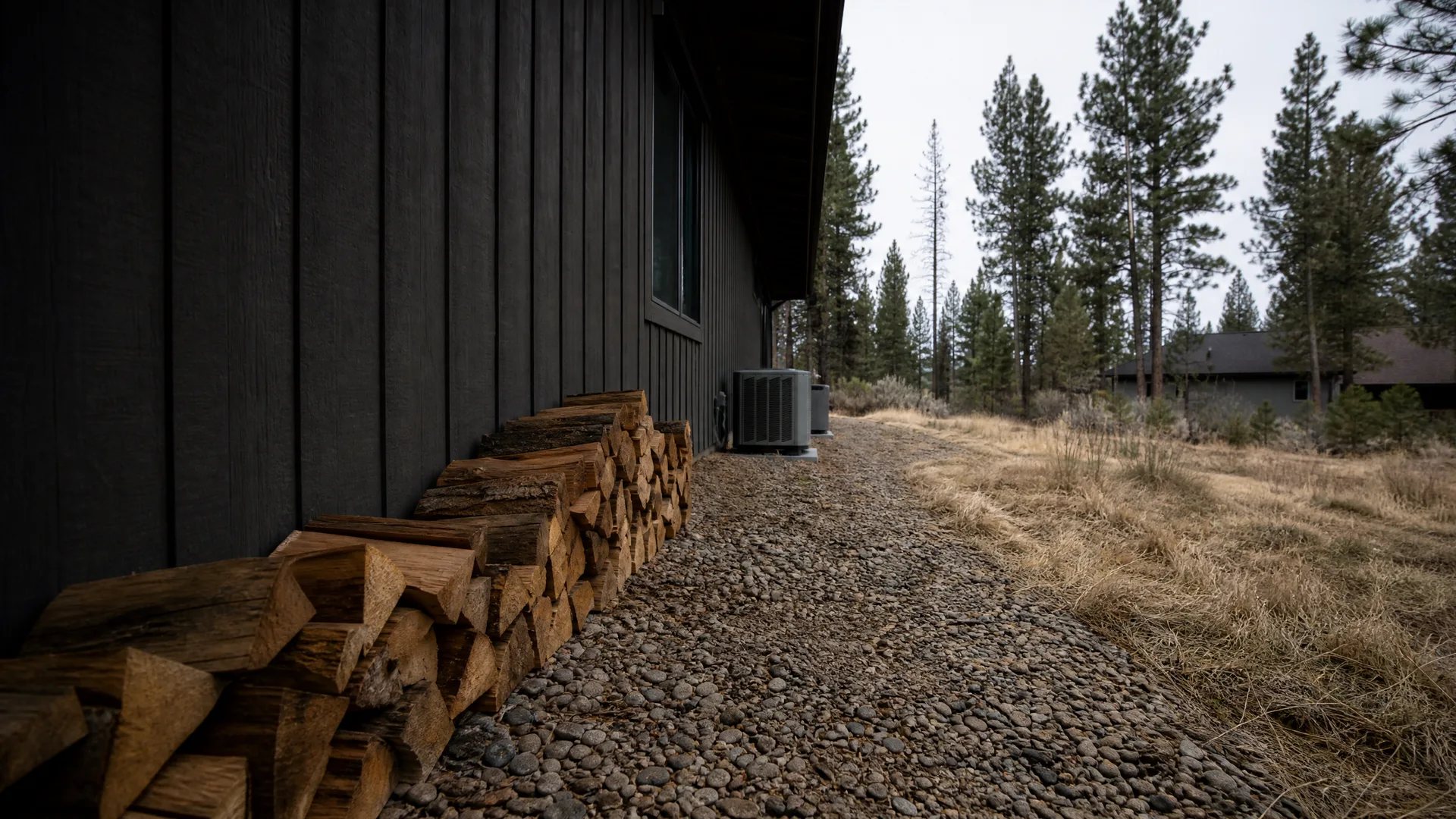
Stacked firewood along the base of a dark vertical-board house wall beside a gravel path, with an air conditioning unit, dry grass, and pine trees in the background.

AC Installation in Jerome, ID

Tell us about the job

Takes about a minute. No obligation.

New system or replacementCentral ACJerome County, ID
Step 1 of 2

What ZIP code is the job in?

Electric heat is the norm here

Just under half of homes in Jerome County heat with electricity, more than any other fuel. Gas comes in second at a third of homes. If your house is one of the electric majority, you likely already have the electrical setup a central air system needs.


What that means for installation

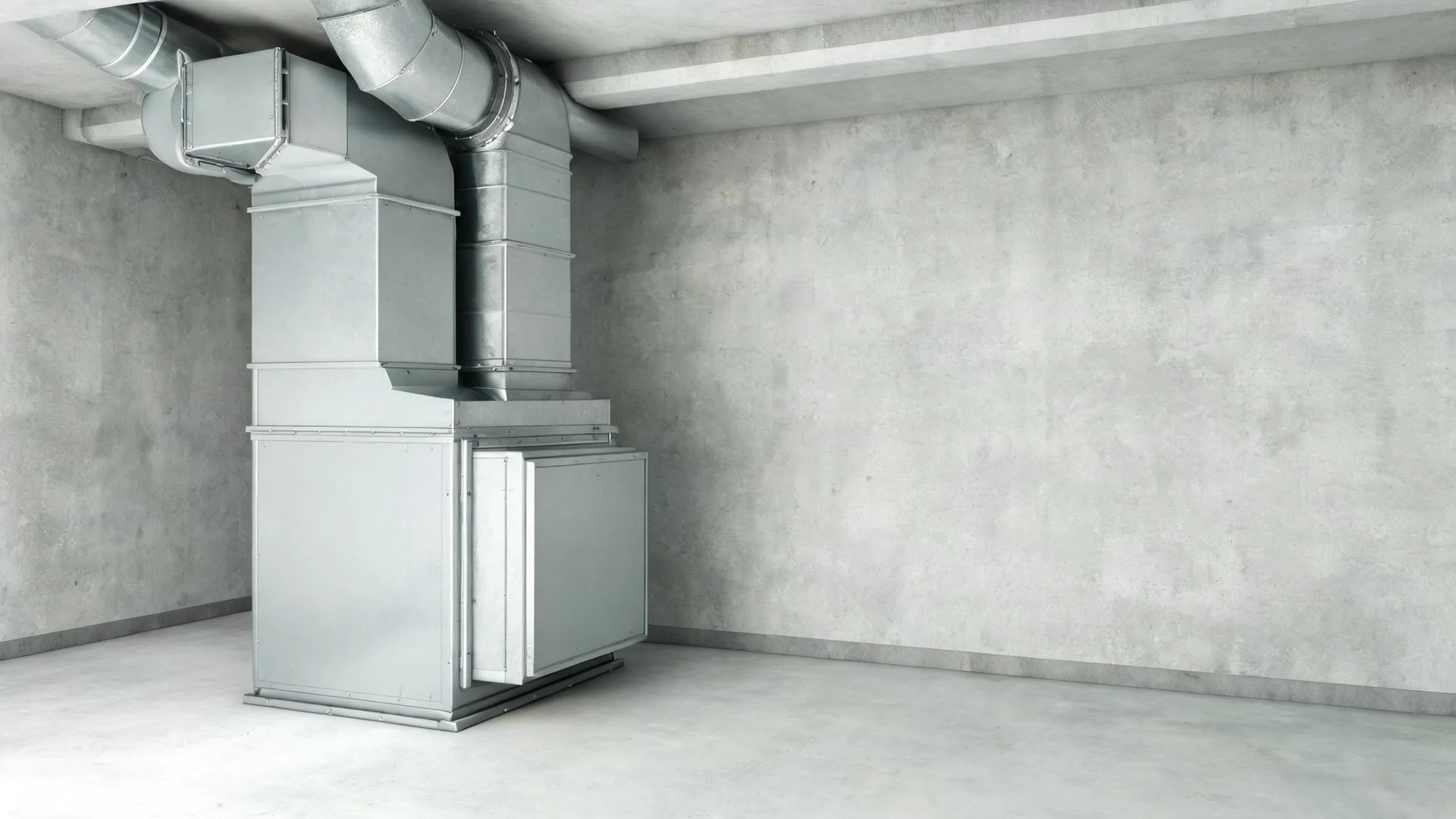
A new AC pairs with whatever furnace or air handler is already moving air through your house. Matching the new unit to that existing equipment matters more than what fuel heats your home, so the contractor will want to see what's there before quoting anything.

2 months
July through August, your air conditioner is on duty
85°F
the average summer afternoon it cools against
2 hail events
in ten years, and hail bends the fins on outdoor coils
13.4 SEER2
the federal minimum any new unit must meet
Isometric cutaway illustration of a house showing interior ductwork, an air handler, and an outdoor condenser unit connected by lines, with simple furniture in the rooms.
Your air conditioner works hardest from July through August.

NOAA nClimDiv, 1991–2020 normals

Idaho electricity runs 11.52 cents a kilowatt-hour, cheaper than most states.

A top-tier SEER2 unit costs more up front and takes longer to earn that back here, so pick the system that fits your house and holds up, not just the one with the highest rating.

Two months of real work a year

Cooling runs July through August
Summer afternoons average 85°F
Power costs 11.52 cents a kWh statewide

Cooling here only runs July through August. That's a short season, which is exactly why it's worth putting the new system in before it starts rather than during it. June is the month to get this done. Call then and a contractor can take the time to size the unit to your house, check the ductwork, and schedule the work around your calendar instead of a heat wave. Wait until July and you're competing with every other homeowner whose system just failed, which means a longer wait and less choice over who does the work.

Any new system here starts at 13.4 SEER2

Jerome County sits in climate zone 5B, where winter heating is the bigger job and summers stay dry. Any new central air system installed here, no matter the brand, has to meet 13.4 SEER2 at minimum. That floor is already built into what a contractor can offer you, so the choice is which qualifying system fits your house.

Find a contractor
An outdoor residential air conditioning condenser unit mounted on a concrete pad, surrounded by gravel with a blue sky in the background.

It won't work hard, so build for fit

Two months of real work, with afternoon highs around 85 in June, July and August. That's a mild load next to what some places ask of a system. Put the money into a unit that's sized right and installed clean rather than one that chases the highest rating on the shelf. A contractor can tell you what size fits your house and your ductwork, and that match matters more here than squeezing out another point of efficiency.

Bigger isn't better

An oversized air conditioner cools the air fast and shuts back off before it pulls the moisture out of the house. That leaves rooms feeling clammy even at the right temperature, and the compressor spends its life starting and stopping instead of running a steady cycle. A unit that's too small just runs long and never catches up on the hottest afternoons. The goal is the load that matches the house, not the biggest number available.

How a contractor works it out

Sizing starts with a room by room heat load calculation, not the square footage of the house or the size of the unit being replaced. A contractor measures window area and which way they face, checks insulation, counts doors and walk throughs, and walks the attic or crawlspace where the ducts run. Then they size the system to carry that specific load through the ductwork already in place, since a new unit still has to move air through the same trunk lines and registers the house already has.

An outdoor central air conditioning unit mounted on a concrete pad beside a blue-sided house at sunset.

Going above the federal minimum saves little here, about $20 a year.

  • A higher-efficiency unit$140 a year
  • A new unit at the federal minimum, 13.4 SEER2$160 a year

Estimates for a typical Jerome County home, from EIA household energy data, Idaho fuel prices and NOAA climate normals. Your home will differ.

Since every bid has to meet that same efficiency floor, the number on the spec sheet won't tell you much about which contractor did a better job. Ask instead what refrigerant line set they're running and whether it's sized for the new unit, not just reused because it's already in the wall. Ask how they're handling the line between the condenser and the air handler, whether they're pulling a vacuum on it and checking for leaks before charging the system. Ask what happens to the existing ductwork, since a mismatch between a new unit and old duct sizing is a common reason a system underperforms its rating. And ask what the warranty covers if something about the installation itself causes a problem later, not just the equipment. Contractors quoting the same unit can still leave you with very different systems.