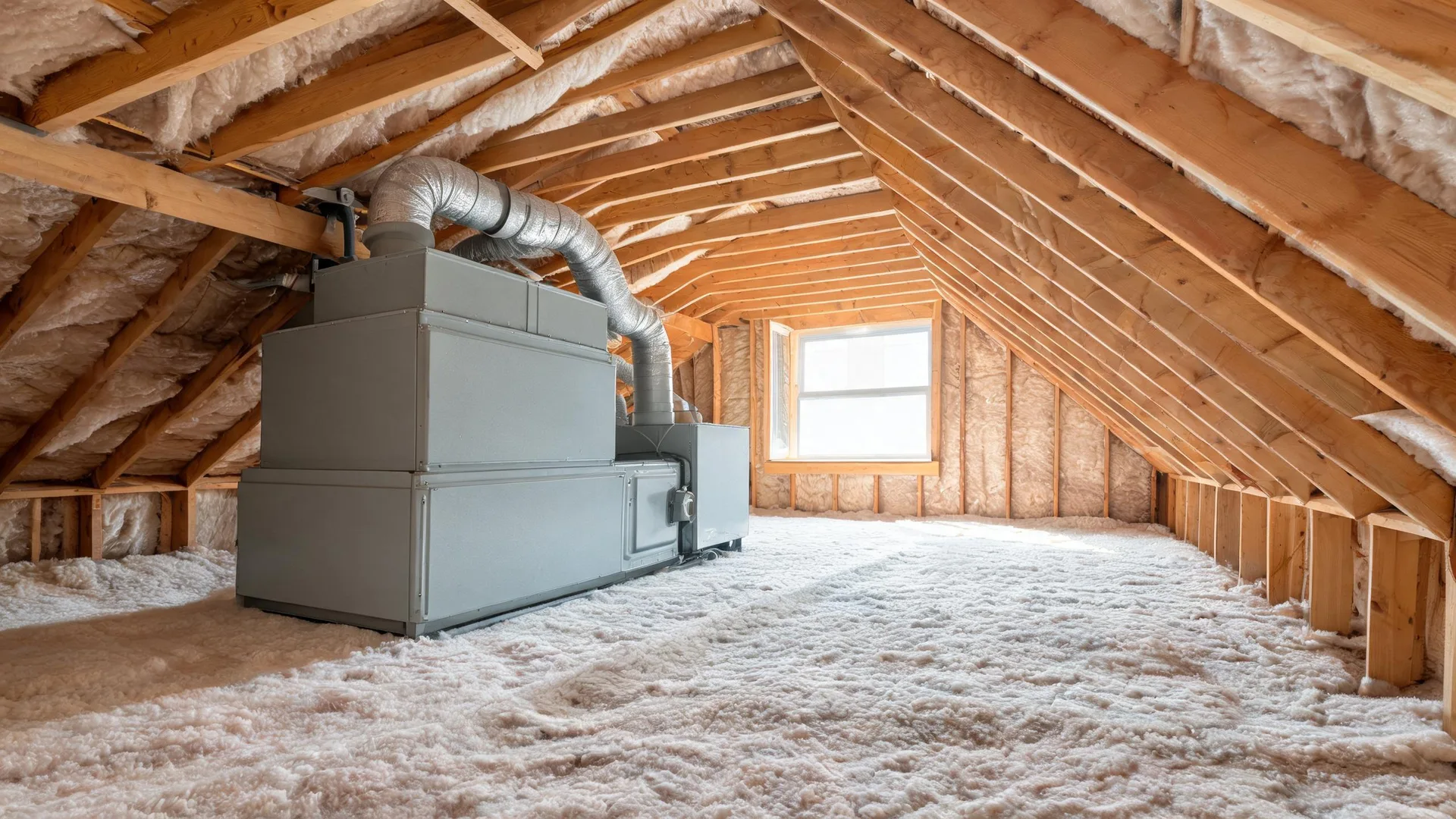
Most of Nampa heats with gas
Utility gas heats 59.4% of occupied homes in Canyon County, with electricity a distant second at 33.2%. A furnace paired with the AC is the setup most homes already have.
Takes about a minute. No obligation.
Utility gas heats 59.4% of occupied homes in Canyon County, with electricity a distant second at 33.2%. A furnace paired with the AC is the setup most homes already have.
If a gas furnace already handles the heating side, installing new AC usually means pairing a new outdoor unit with the existing furnace and ductwork rather than rethinking the whole system.

NOAA nClimDiv, 1991–2020 normals
Idaho electricity ran 11.52 cents per kilowatthour in 2024, well under the national average.
A top-tier SEER2 unit costs more up front and takes longer to earn that back here, so pick an AC for how well it holds up, not just the efficiency number.


Nampa falls in climate zone 5B, a cool zone where winter heating matters more than summer cooling. That doesn't loosen the rules on the AC side. Any split-system central air conditioner under 45,000 Btu/h built from 2023 onward has to meet 13.4 SEER2 at minimum, no matter what zone it's going into. So that's the floor for whatever gets installed here. Above that floor, the choice is about matching the unit to the house, not chasing a higher number.
Three months a year is a light workload. Put the money into a unit that holds up rather than one that chases the highest efficiency number, and a repair down the line stays worth making.
Find a contractorA contractor sizes an AC with a room by room load calculation. It adds up how much heat gets into the house through the walls, the windows, the roof, and the people and appliances inside. That number, not the old unit and not the square footage alone, is what the new system gets sized to. Bigger is not safer. An oversized unit cools the air fast and shuts off before it pulls the moisture out of it, so the house ends up cold and clammy instead of comfortable. It also starts and stops more often, and that start is what wears a compressor down over time. A unit sized right runs longer, steadier cycles. Undersized has the opposite problem. It runs flat out on the hottest afternoons and still never quite catches up.
If the existing ducts are too small or leaky for the new system, a contractor has to fix or resize them before the AC can perform the way it's rated to. That work isn't optional and it isn't part of the box the new unit comes in. A system matched to bad ductwork will run poorly no matter how good it is.
The refrigerant line between the outdoor unit and the indoor coil has to be the right length and in good shape, and running new line costs more than reusing what's there. Where the outdoor unit sits matters too. A pad that needs leveling, a tight side yard, or an electrical panel that needs upgrading to handle the new unit all add steps a straightforward swap doesn't need.
Estimates for a typical Canyon County home, from EIA household energy data, Idaho fuel prices and NOAA climate normals. Your home will differ.
The old system comes out first. Refrigerant gets recovered into a tank, not vented into the air, because that's the law and because the new system needs a clean line set to work with. The old coil comes out of the plenum and the new one gets set in and sealed to the furnace. The line set between the coil and the outdoor unit gets run, connected, and checked for leaks before anything gets charged. Once the unit is set on its pad and leveled, it gets charged with refrigerant to the exact weight the manufacturer specifies, not just until the air feels cold. A contractor checks airflow at the registers and pressure in the ducts before calling it finished. A good install gets tested under a full cooling cycle, because a weak connection or a bad charge usually doesn't show up until the system has been running a while.