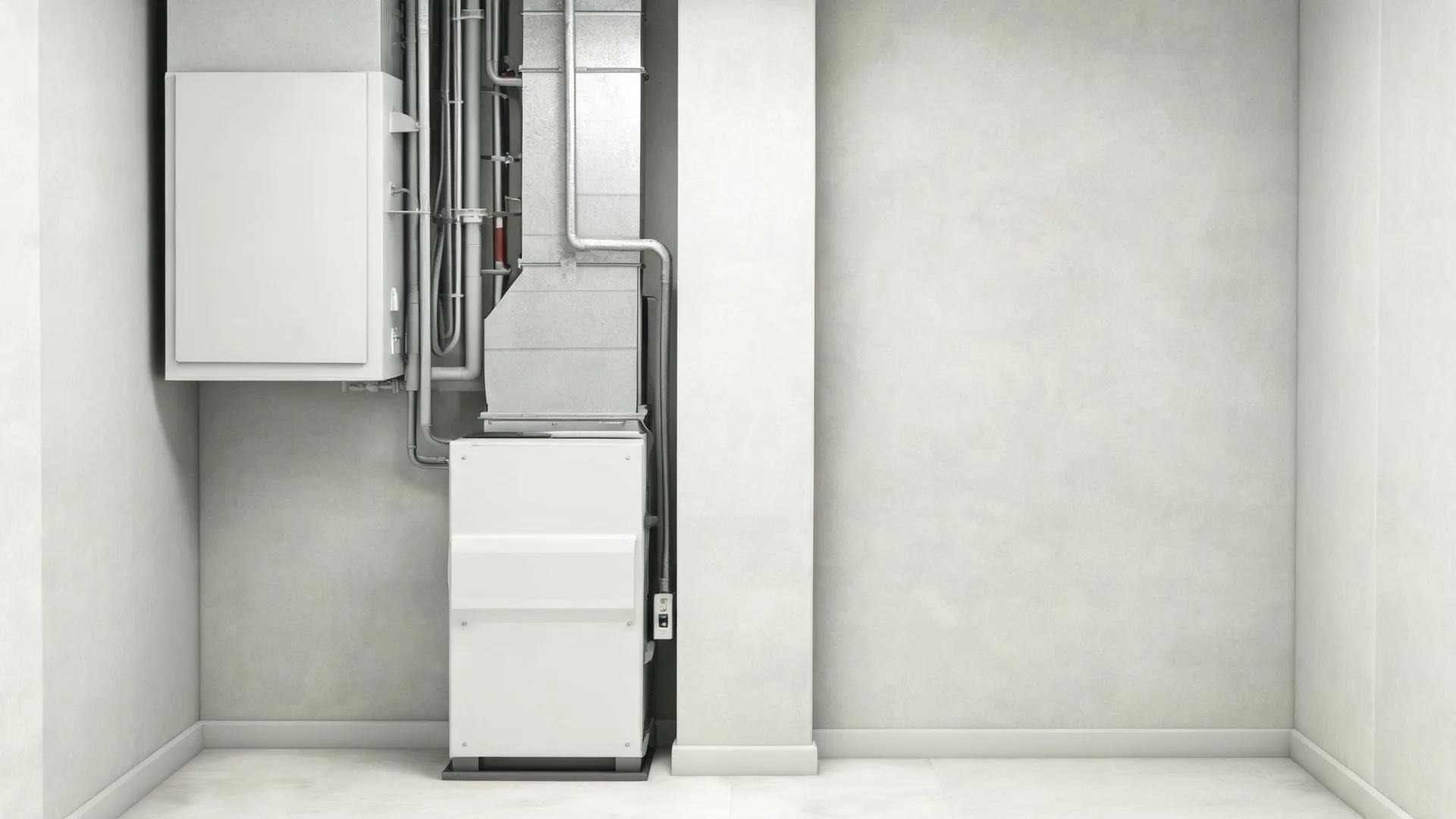
Electric heat is the norm here
Electricity heats 73.2% of homes in Minidoka County. Gas reaches 15.3%, and propane another 5.3%. If your home runs on electric heat, you're in the majority, and that's worth knowing before you start comparing systems.
Takes about a minute. No obligation.
Electricity heats 73.2% of homes in Minidoka County. Gas reaches 15.3%, and propane another 5.3%. If your home runs on electric heat, you're in the majority, and that's worth knowing before you start comparing systems.
A heat pump handles both your cooling and heating from one outdoor unit, which fits well where electric heat is already the norm. If your home has electric baseboard or resistance heat now, ask about this option alongside a straight AC.

NOAA nClimDiv, 1991–2020 normals
Two months of real heat a year is all your AC in Rupert has to answer for.
A system that only works hard in July and August doesn't need to be the top efficiency model to hold up.




Idaho households paid 11.52 cents per kilowatt-hour in 2024, well under what most of the country pays. That changes the math on which system to install. A high-efficiency AC costs more up front, and the extra you pay for it comes back slower when power is this cheap. You're better off putting the money toward a unit that's sized right and installed well than chasing the highest efficiency rating on the shelf. Ask the contractor to size it to your house, not to the spec sheet.
Any new AC going in here has to meet 13.4 SEER2 at minimum, the federal floor for systems this size. Rupert falls in zone 5B, a cooling climate that doesn't demand much beyond that baseline. That gives you room to choose a system based on fit and cost rather than chasing a rating past what the job needs.
Find a contractorThe outdoor unit gets its refrigerant lines and electrical disconnected, then it comes off the pad. If the old system used a furnace or air handler coil alongside it, the installer checks whether that coil gets swapped too, since a new outdoor unit matched to an old coil can run poorly or wear out early.
An old AC can't just get drained or cracked open. The refrigerant inside has to be pulled out with a recovery machine and handled separately, before anything gets disconnected. That step happens regardless of which system is going in to replace it.
Estimates for a typical Minidoka County home, from EIA household energy data, Idaho fuel prices and NOAA climate normals. Your home will differ.
Once the old equipment is out, the new outdoor unit sets on the pad and the lines get run to the indoor coil. Every joint gets brazed, then the whole system is pressure tested before any refrigerant goes in. A leak is easier to find and fix now than after the system is charged. The line set gets pulled down to a vacuum to clear out air and moisture, since either one left behind will damage the compressor over time. Only after it holds vacuum does the system get its refrigerant charge, weighed in to match the unit's specs. Before the installer leaves, the system should run through a full cooling cycle while they check the temperature at the vents and confirm the charge is right.