



Warmly lit timber-frame and stone houses line a street at dusk, with evergreen trees and a snow-capped mountain range in the background.

AC Installation in Soda Springs, ID

Tell us about the job

Takes about a minute. No obligation.

New system or replacementCentral ACCaribou County, ID
Step 1 of 2

What ZIP code is the job in?

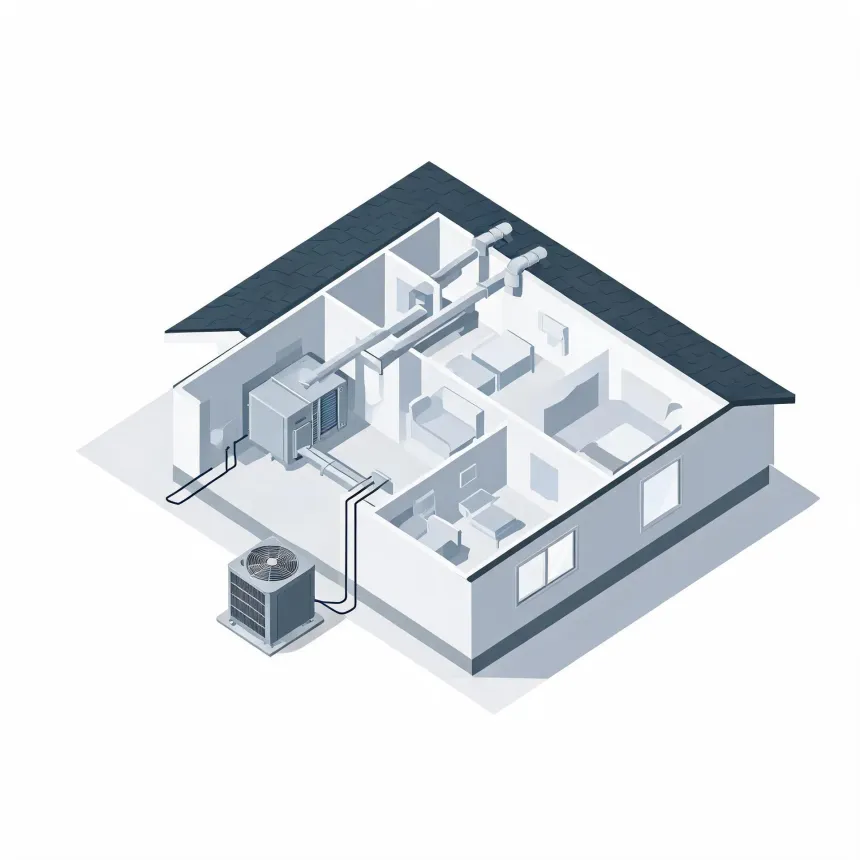
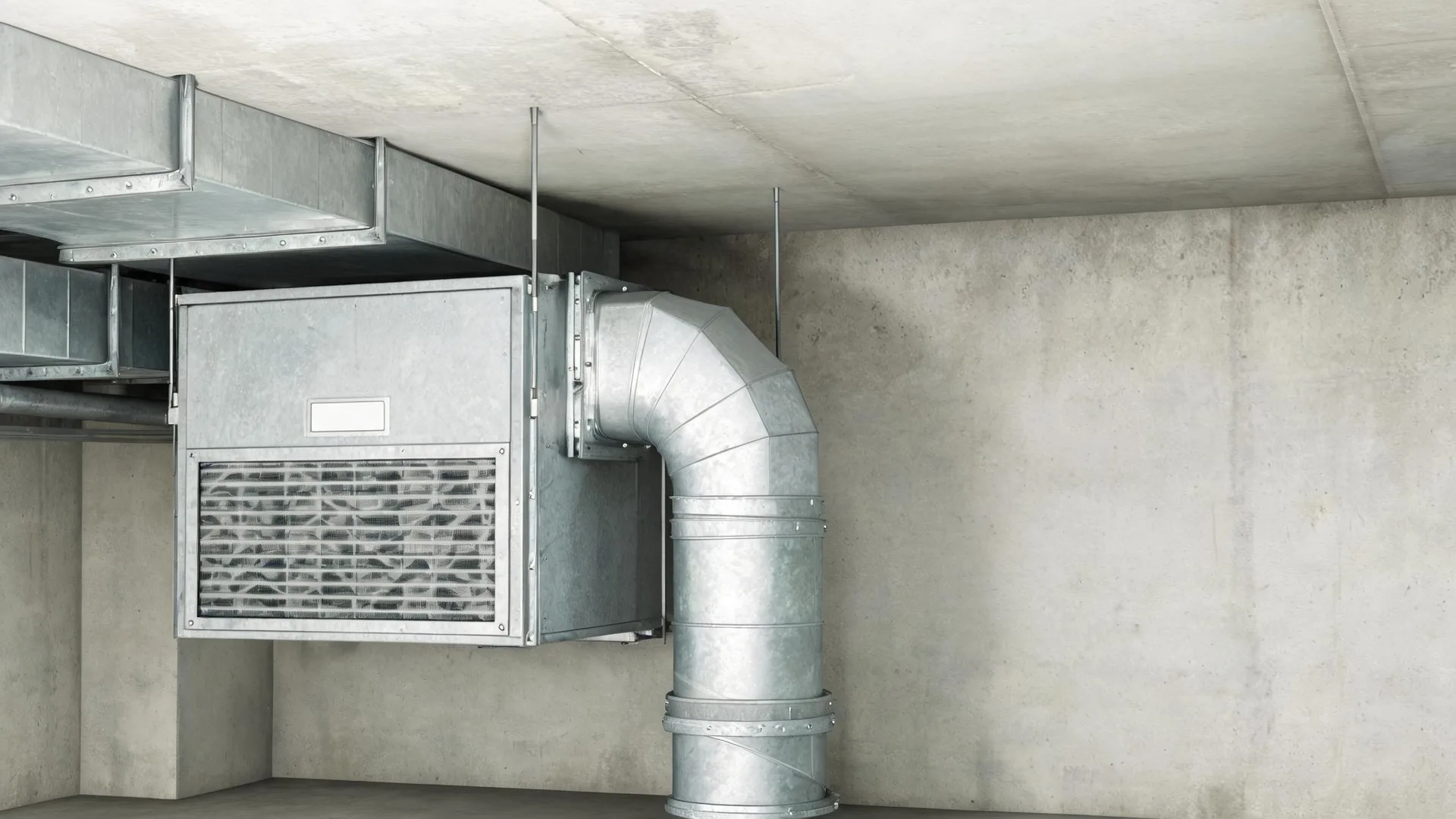
Utility gas heats 61.8% of homes in Caribou County, most of them through a furnace. Central air conditioning in a gas-heated home usually ties into the same ductwork the furnace already uses, with the furnace handling airflow and the AC unit handling the cooling. Electricity heats 15.7% of homes here and propane heats 14.5%, so gas furnace setups are what most installers in this county see and work with. If your home already has ducts from a gas furnace, adding or replacing central AC means connecting to a system already built to move air through the house.

77°F
the average summer afternoon it cools against
11 hail events
in ten years, and hail bends the fins on outdoor coils
13.4 SEER2
the federal minimum any new unit must meet
Isometric cutaway illustration of a single-story house showing interior rooms, ceiling ductwork, an indoor air handler, and an outdoor condenser unit connected by lines, in gray and white tones on a white background.
Your air conditioner works hardest from July through August.

NOAA nClimDiv, 1991–2020 normals

The old condenser doesn't just get unplugged and left.

A contractor disconnects the refrigerant lines, reclaims what's left in the coil, and hauls the unit away.

Summers here don't push an AC system hard

Summer afternoons average 77°F
21 damaging wind events from 2015 to 2024
11 hail events from 2015 to 2024

Caribou County is zone 6B, a cold zone with winter that runs long. Any split-system air conditioner installed here has to meet 13.4 SEER2 at minimum, a federal floor that holds no matter who installs it. SEER2 measures efficiency, not how much cooling the unit puts out, so it doesn't tell you what size system a home needs. A new unit bought today already meets this standard, since manufacturers can't build below it. Buyers comparing systems should still check the SEER2 rating on the label and make sure it clears 13.4.

Half the homes here were built in 1972 or earlier

Half the homes in Caribou County were built in 1972 or earlier. An AC system going into a house that age has to work with what's already there, the ductwork, the electrical, the space the old unit sat in. Sizing it right means measuring the house you have, not guessing from its age.

Find a contractor
A man in a dark work shirt and brown pants carries a canvas tool bag as he steps up to a green front door on a porch with a potted shrub.
An outdoor air conditioning condenser unit mounted on a concrete pad surrounded by gravel, photographed against a partly cloudy blue sky.

Measure before you size it

A load calculation tells the installer what size unit the house needs, room by room, instead of matching whatever was there before. In a house from this era, the old unit's size was often a guess too. If ductwork was added or changed since the house was built, that's worth mentioning before anyone quotes a tonnage.

Bigger isn't better

An oversized AC cools the air fast and shuts off before it pulls the moisture out of it. The house ends up cold and clammy instead of comfortable. A unit sized right for the house runs a longer, steady stretch and does the job of drying the air along with cooling it.

The math behind the number

A load calculation looks at the square footage, the window area and direction, the ceiling height, and how much insulation is in the attic and walls. Each of those adds or subtracts heat the system has to handle. The result is a tonnage figure specific to that house, not a number pulled from the unit it's replacing.

Overhead view of a gray residential air conditioning condenser unit mounted on a concrete pad beside a house with asphalt shingle roofing.

Going above the federal minimum saves little here, about $0 a year.

  • A new unit at the federal minimum, 13.4 SEER2$40 a year
  • A higher-efficiency unit$40 a year

Estimates for a typical Caribou County home, from EIA household energy data, Idaho fuel prices and NOAA climate normals. Your home will differ.

Install day starts with the old system coming out before the new one goes in. A contractor disconnects the line set, checks whether the pad can stay or needs replacing, and looks over the ductwork where it ties into the furnace. The new condenser goes on the pad, the coil goes in above or beside the furnace, and the line set runs between them. Once everything's connected, the lines get pulled down to a vacuum to clear out air and moisture before refrigerant goes in. Charging the system right means weighing in refrigerant or checking it against the manufacturer's charts, not just running it until the air feels cold. Last comes the startup check, where airflow, pressures, and the thermostat's connection to the new equipment all get looked at before the job is called done.