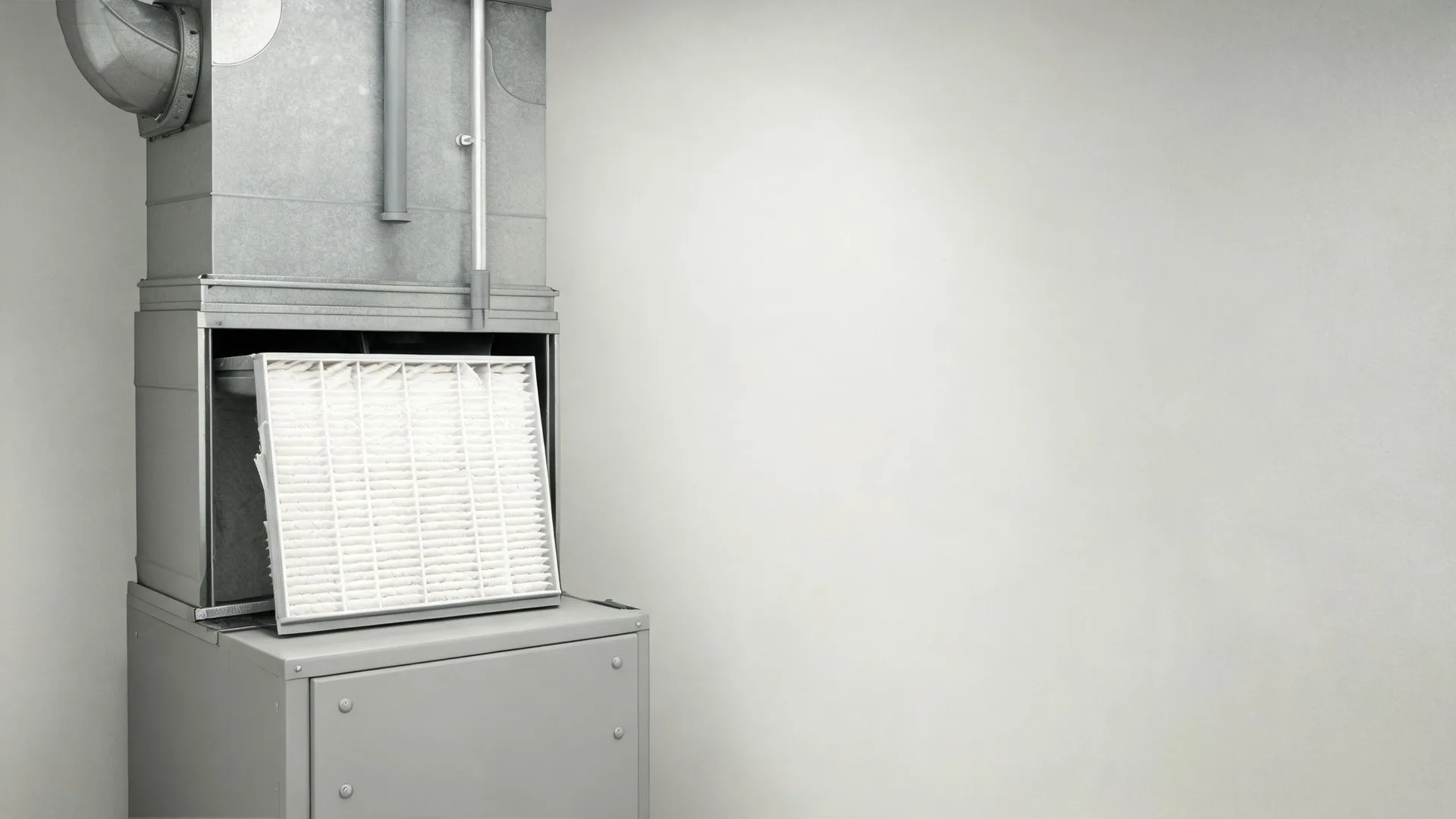
Warm air where cold used to be
If the air coming out of the vents is weaker or less cold than it used to be, something in the system is already losing ground. A system worth checking is one still cooling fine, before that slide starts.

Takes about a minute. No obligation.
Your air conditioner only works two months a year here, July and August, with afternoon highs around 83 degrees. That's not much of a season to wear a system down. What catches up with it instead is age, a dirty coil, a capacitor that sits idle most of the year. Owyhee County has also seen damaging wind often enough to matter, and wind throws debris into an outdoor unit whether it's running or not. A yearly check before summer catches what the easy duty doesn't rule out.
NOAA nClimDiv, 1991–2020 normals
July and August are the only months your AC runs here.
Get it checked in June, before it has to work at all.



A technician going through the unit in June is looking for the things idle months hide. A capacitor can weaken over winter without any sign until the compressor tries to start on the first hot day. A coil can cake up with a season of dust sitting still. Wind-blown debris can pack into the fins without ever tripping a breaker. None of that shows up until the unit is asked to run, and by July you're asking it to run every day. Check it before it has to work, not after.
Easy duty still wears parts. A yearly check keeps it going a long time.
Find a contractorA gauge set on the refrigerant lines tells a technician things a thermostat never will. Low charge shows up as pressure that reads wrong on both the high and low side, and it's there whether the air coming out of the vents feels cool enough to get by or not. A failing contactor shows pitting on its contacts long before it fails to close. An amp reading on the compressor and fan motor flags a winding going bad while the motor still runs fine to the ear. None of this is guesswork. It's a technician checking the parts of the system that don't announce themselves until they quit.
If the air coming out of the vents is weaker or less cold than it used to be, something in the system is already losing ground. A system worth checking is one still cooling fine, before that slide starts.
A rattle, a hum that wasn't there last year, a musty smell when the system kicks on. These are a loose part, a failing motor bearing, or mold sitting in the ductwork or drain pan. Catching them in a check means fixing one small thing instead of waiting for it to take something else down with it.
A tune-up checks the refrigerant charge, cleans the coils, tests the capacitor and tightens the electrical connections.
A real tune-up means hands on the unit, not a glance at the thermostat. The technician pulls the panel and checks the capacitor's output against what it's rated for, since a weak one still lets the compressor run until the day it can't. The coil gets looked at and washed if it's caked, because airflow across a dirty coil drops long before the system stops cooling altogether. The contactor gets checked for pitting, the fan motor and compressor get an amp reading, and the refrigerant charge gets checked with gauges, not guessed at by how cold the air feels. The condensate drain gets cleared too, since a clogged one backs up and spills before anyone notices the water.