

How long a heat pump lasts in Coeur d'Alene, ID
Your new heat pump project goes to an installer who works in Kootenai County.
Get a heat pump proHow long does a heat pump last in Coeur d'Alene?
You're wondering if your heat pump is getting close to the end, or maybe you're pricing one out and want to know what you're signing up for. Either way you want a real number, not a brochure figure. Around Kootenai County, where the system has to pull its weight through cold winters, that number matters more than it would somewhere milder.
About 15 years
A heat pump in Coeur d'Alene typically runs 15 years before it needs replacing. That's in line with what the equipment is built for almost anywhere, but winters here push it harder than a mild climate would. Most homes in the area heat with gas, so the heat pump is usually doing cooling duty through the hot, dry summer and sharing winter heating load, rather than carrying the coldest months alone. That lighter winter workload is part of why a well-maintained unit here can reach the upper end of its expected life rather than the lower end. How it was sized for the house and how consistently it's been serviced matter as much as the age on the nameplate.




What's actually working your heat pump this hard, year after year?
Winter nights average 25°F
Nights this cold make the system lean on backup heat strips or a second furnace stage to keep up, and that extra strain adds up over the years.
Heat runs September through June
Ten months of heating a year means the compressor is cycling on almost constantly outside of summer, with little downtime to rest between runs.
Cooling runs July through July
One month of cooling barely touches the unit compared to the heating load it carries the other eleven, so heating wear is what shortens its life here.
NOAA nClimDiv 1991-2020
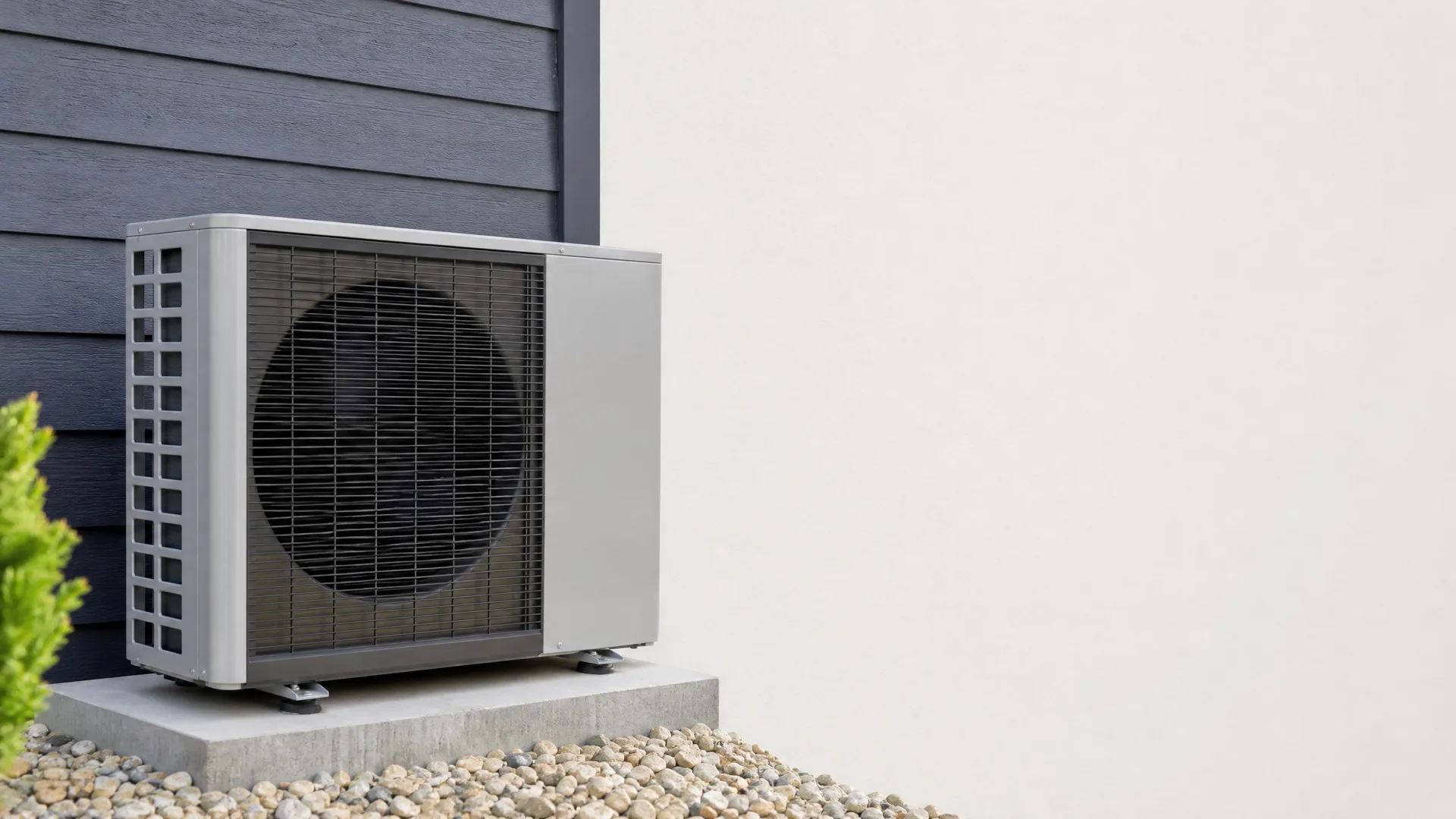
A heat pump kept up with maintenance
A heat pump that gets its coils cleaned and its refrigerant charge checked on schedule holds onto its efficiency longer, because the system isn't working harder than it has to just to move the same amount of heat. Filters changed on time keep airflow where it should be, which matters most on the coldest nights when the compressor is already running close to its limit. A unit cared for this way is more likely to reach the far end of its expected life.
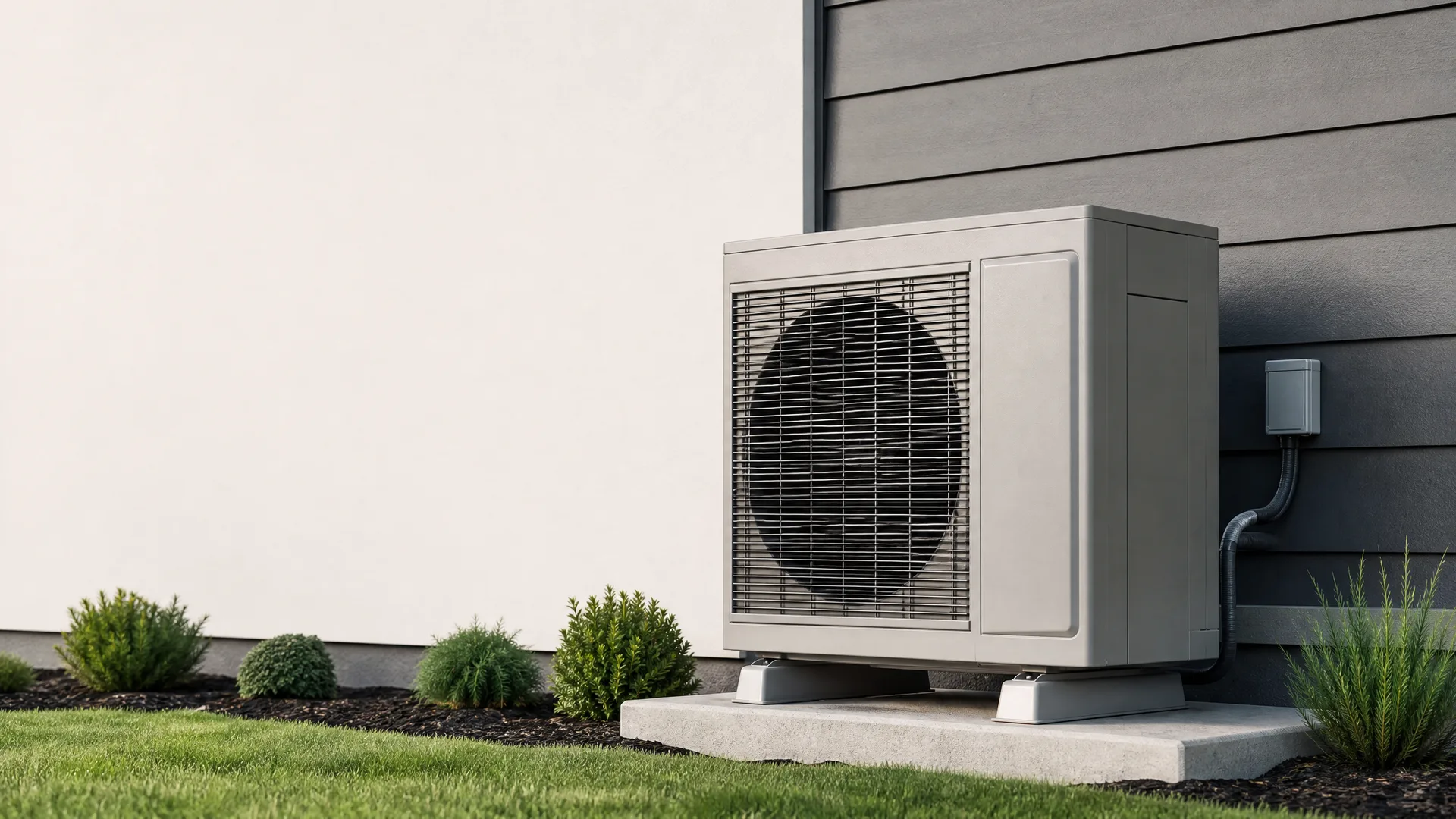
A heat pump left to run itself
Skip the yearly check and a heat pump will still run, until something it was compensating for finally breaks it down. A dirty coil or a slow refrigerant leak doesn't shut the system off, it just makes the compressor work harder for the same heat, winter after winter. By the time it's short cycling or can't keep the house warm on a cold night, the wear is already done. That unit is the one that gets replaced years earlier than it should have.
Is your heat pump starting to struggle?
You might notice it runs longer to reach the temperature you set, or the air coming out doesn't feel as warm as it used to on a cold night. Maybe the outdoor unit is icing up more than it should, or you're hearing a click or hum before it kicks on. The backup heat strips might be running more than they used to, and that shows up on the power bill even with cheap rates here. None of this means it's done. But a heat pump working harder than it should, winter after winter in Kootenai County cold, wears down faster, and a unit that's struggling now is more likely to leave you without heat on the night you need it most.
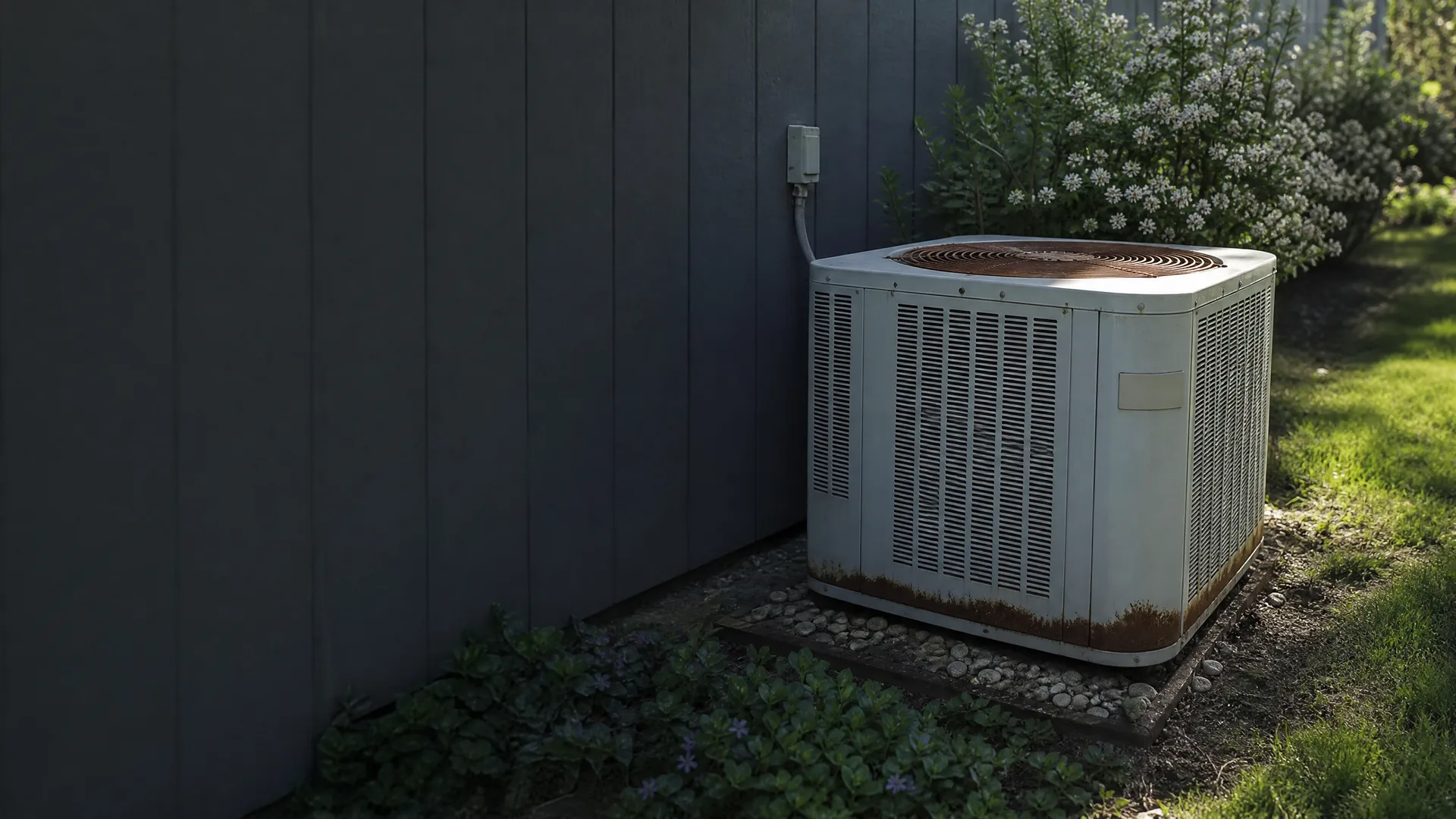
You go out to grab the hose bib and stop by the side yard where the outdoor unit sits. It's one of those clear spring days, the snow finally off the ground, and in the daylight you notice the rust for the first time, a line of it creeping along the base of the cabinet. You crouch down and run a thumb over it. The metal underneath feels thin in that one spot. You think back to how many winters this thing has sat out here taking the cold and the snowmelt off the roof. It's still running fine right now. You just didn't expect to see rust like that when you looked.
Get the right pro for your heat pump
A heat pump running on both ends, cold winters and hot dry summers, is working year round with no real break, and that shows up sooner than it would somewhere milder. If yours is past 12 years and you're seeing the signs already covered, a repair might buy you a season, but it's worth knowing whether you're repairing a system that's almost done anyway. If you're building a new house or your current unit just isn't worth saving, getting the sizing and installation right matters more here than in a place with an easier climate, because Kootenai County winters don't give a system room for error. Either way, the next step is the same: get a contractor who knows this area looking at your specific situation before you decide anything. That's easier to sort out with someone on-site than by guessing from a chart.
Why the heat pump works harder here
A heat pump moves heat instead of burning fuel for it, so in a Kootenai County winter it's pulling warmth out of air that might be in the teens or lower. The colder that air gets, the harder the compressor has to work to pull any heat out of it at all. That's a different kind of strain than a furnace sees, since a furnace just burns gas and lets the heat exchanger do its job. Most homes around here heat with gas, often alongside the heat pump, precisely because asking a heat pump to carry the whole load on the coldest nights wears it down faster than mild winters would.
What the compressor's wear actually costs you
The compressor is the one part in a heat pump that can't be swapped out cheap, and it's also the part that takes the brunt of all that cold-weather cycling. Every time it kicks on to fight a cold snap, it's drawing more current and running longer to hit the thermostat setting. Over enough winters that adds up to measurable wear on the windings and the bearings inside it, not just a number on an electric bill. Power here is cheap, so a lot of people don't notice the cost climbing until the unit starts short-cycling or struggling to keep up on the coldest days.


A heat pump in Kootenai County runs somewhere around 12 to 15 years, less if it's been skipping maintenance, more if it's been cared for and isn't fighting ice or rust. Past that point you're not guessing anymore. Longer run times, weaker heat on cold nights, rust at the base, a compressor that short cycles, these tell you plainly where the unit stands. The honest move is to get a straight read on it from someone who can look at your system and tell you whether it's worth repairing or whether replacement is the better money. Once you send that request off, you're not the one making calls or tracking down a contractor anymore. That part is handled. You'll be matched with someone who takes on jobs like yours, and they'll reach out to you directly. No more wondering if this is the year it fails on the coldest night of the winter. Whether your heat pump has a few years left or none, you'll know what you're dealing with instead of waiting to find out the hard way.

Heat Pump Installation
A pro who works on heat pumps

- Get matched with someone who does this kind of work in Kootenai County.
- Get in touch with a local installer about a new heat pump.

- Send the form and stop researching installers for the new heat pump.
- Send the request and finding a pro stops being your problem.

- Skip the round of in-home estimates for a new heat pump.
- Describe the project once instead of to every installer.

- A licensed installer who works in Kootenai County gets your project.
- One installer gets your project, so there's no bidding war over it.