

Is a heat pump enough for winter in Boise City, ID

Your new heat pump project goes to an installer who works in Ada County.

Match me with a pro

A heat pump alone struggles once temperatures around Boise City drop into the 20s and below, which happens through a good part of the winter here. The heat pump pulls warmth from outside air, and the colder that air gets, the less heat it can find, so its output drops right when you need it most. Most homes in the area heat with gas, and a heat pump paired with a gas furnace as backup, often called a dual fuel system, covers that gap: the heat pump runs on its own in milder weather, then the furnace takes over once it drops below where the heat pump works efficiently. A heat pump running by itself, with no backup, will likely leave you short on the coldest nights and leaning on supplemental electric heat strips that cost more to run. If your system came with the house, it's worth finding out whether it has that backup built in.

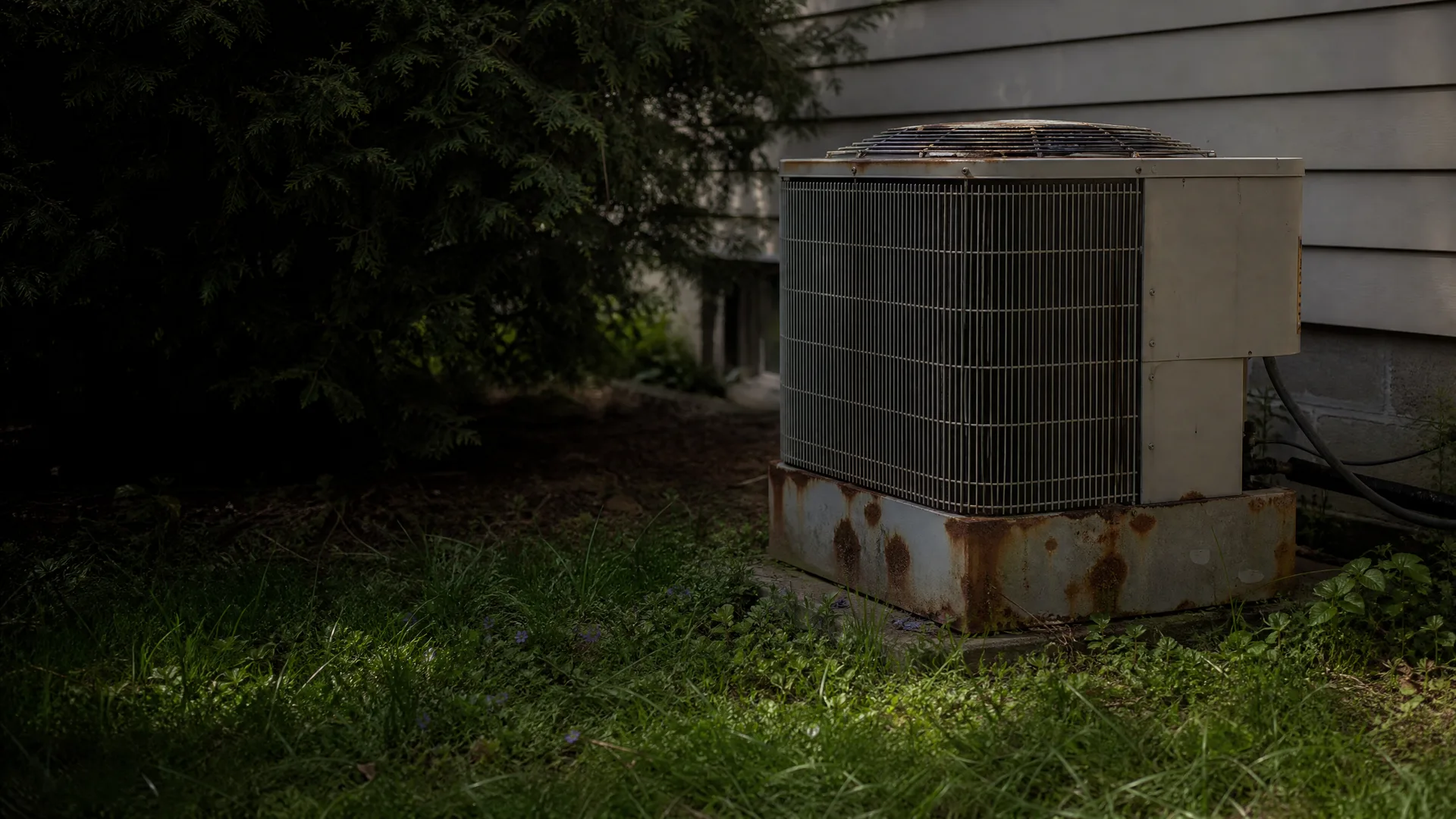
An outdoor air conditioner or heat pump condenser unit sits on a rusted concrete pad beside a house with horizontal siding, surrounded by grass and dark evergreen foliage.

You're out checking the yard on one of the first warm days of spring, the snow finally gone from the side of the house. The heat pump sits where it always has, and this time you actually look at it. Rust has crept along the base, worse than you remembered from last year. It ran hard all winter trying to keep up on the cold mornings, and it shows. You make a note to ask someone about it before next winter catches you the same way, with the unit straining and the house never quite warm enough upstairs.

Can your heat pump handle a Boise winter on its own?

  • Winter nights average 25°F

    Winter nights here average 25°F, and that's below where most heat pumps can keep up without backup heat kicking in.

  • Heat runs October through May

    Eight months of heat a year means your system leans on backup heat for a long stretch, not just a few cold snaps.

  • Cooling runs June through August

    Only three months of cooling a year means the heat pump earns its keep mostly as a heater, so winter performance matters most.

NOAA nClimDiv 1991-2020

A gray outdoor condenser unit on a concrete pad beside a house with horizontal lap siding, with an electrical disconnect box and insulated refrigerant lines on the wall, gravel in the foreground and a planting bed at left.

Running clean

This is a heat pump keeping up: coils clear, fan grille open, lines and conduit running neat from the pad to the disconnect. Air moves through it the way it should. A unit kept clean like this can still pull its share of heat on a cold night before backup takes over.


An outdoor air conditioner condenser unit on a concrete pad beside a house with horizontal lap siding, with refrigerant lines and a gray electrical disconnect box on the wall, surrounded by bare dirt.

Fighting the cold

Dirt packed into the coil guard and fan grille blocks the airflow the unit needs to pull heat from outside air. A heat pump working that hard already has less left for a January night in Boise City. Backup heat ends up carrying more of the load than it should.

Heat Pump Alone or Paired With a Furnace

Heat Pump Alone

  • Below the mid-30s, the heat pump works harder for less heat, and its output keeps dropping as the air outside gets colder.
  • On the coldest nights it leans on electric resistance strips to make up the difference, and those strips use far more power than the compressor does.
  • Most homes around Boise City run on gas, so a heat pump alone means no gas furnace backing it up when the temperature really drops.
  • Since the unit is running most of the winter rather than cycling on backup, wear shows up sooner on the compressor and the outdoor coil.
  • A heat pump with no backup source has one way to make heat, so a failed component on a January night leaves you without any.

Heat Pump Plus Furnace

  • The heat pump carries the milder stretches of fall and spring on its own, since that's the range where it runs most efficiently.
  • Once outdoor temperatures drop too far for the heat pump to keep up, the furnace takes over and burns gas to make up the difference.
  • Power here is cheap, but gas heat still costs less to run than electric resistance strips on the coldest nights.
  • Switching the heat source to gas instead of electric strips means the system isn't drawing hard on electricity during a winter storm.
  • Having two ways to make heat means a problem with one doesn't leave the house cold while it gets fixed.
A woman in a gray turtleneck sweater sits on a couch under a blanket indoors, looking out a window toward orange autumn foliage, with a bookshelf and plants behind her.
A woman with gray shoulder-length hair in a cream knit sweater sits in an armchair under a blanket, looking out a window at orange autumn foliage, with a living room, houseplant and wooden table behind her.
A woman with gray hair in a cream knit sweater sits on a light sofa by a large window, looking out at trees with autumn foliage, with a dark mug on a wooden side table nearby.
A gray-haired woman in a dark knit sweater sits on a couch with a cream blanket and patterned pillow, looking out a window toward yellow and orange autumn trees, with wooden shelves and plants in the room behind her.

The right pro for this job

A heat pump on its own hasn't been enough for a Boise winter, not with nights settling into the 20s for weeks at a stretch. Gas is what most houses around here heat with, and gas furnaces keep putting out the same heat whether it's 30 outside or 5. Pairing one with your heat pump means the heat pump does the work on milder days, when it's efficient, and the furnace takes over once the air gets too cold for it to pull much heat from. That split is worth having, and setting it up right, sizing the furnace to the house and the heat pump you already have, is not something to guess at. A local contractor who installs these systems in Ada County every winter will know how the two should be matched and what your ductwork can handle. One contractor gets your request, so you're dealing with someone who actually looked at your situation, not fielding calls from a handful of companies guessing at it over the phone.

Why the heat pump loses ground

A heat pump moves heat, it doesn't make it. It pulls warmth out of the outside air and carries it inside, and that works fine when the air still has heat to give. As the temperature drops, there's less warmth out there to pull, so the unit has to run longer to deliver the same heat. Below a certain point, usually somewhere in the 30s, it can't keep pace with the house losing heat to the cold, and the backup heat has to take over to hold the temperature you set.

Why gas doesn't slow down

A gas furnace burns fuel to make heat, so it doesn't care how cold the air outside is. It puts out the same heat at 5 degrees as it does at 40. That's the difference a furnace makes paired with a heat pump here: the heat pump handles the milder stretches efficiently, and once the air gets too cold for it to pull much from, the furnace carries the load without losing output. Neither one has to do the whole job alone through a Boise winter.

A woman in a cream knit sweater sits with closed eyes in an armchair beside a window showing orange autumn foliage, with a mug and plate of cookies on a small side table.
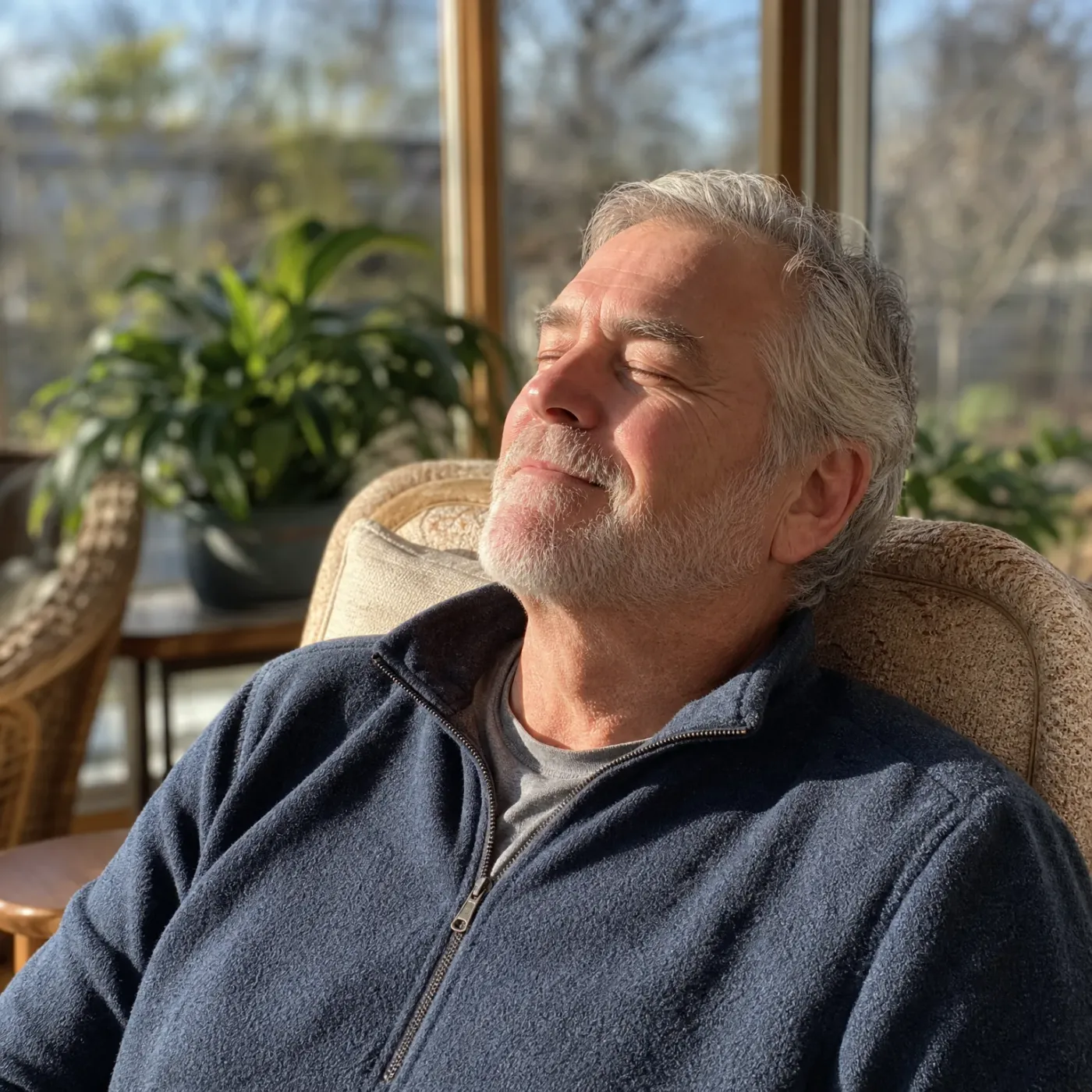
An older man with gray hair and a beard, wearing a dark blue fleece zip jacket, leans back in an upholstered chair with his eyes closed in sunlight near large windows, with a potted green plant and bare trees behind him.

Heat pump only

Keeps up fine in fall and spring. Once nights drop into the 20s, output falls off and the system leans on electric strips to close the gap, and those run up the power bill fast.

Find a licensed heat pump pro

Heat pump plus gas furnace

The furnace carries the house once it's too cold for the heat pump to keep up, so you get steady heat all winter without the strips ever kicking in.

Find a licensed heat pump pro
An outdoor air conditioner condenser unit with rust spots on its top grille sits on a concrete pad beside a house with light horizontal siding, with conduit lines and an electrical box on the wall and a mulch bed to the right.
Before you get your heat pump installation
A gray outdoor air conditioner condenser unit on a concrete pad beside a house with horizontal lap siding and a stone veneer base, with a conduit running to a wall-mounted disconnect box and shrubs and evergreen trees to the left.
After you get your heat pump installation
  1. Heat pump pulls warmth from the outside air

  2. Compressor concentrates that heat and sends it inside

  3. Below the mid-30s, output drops as the air cools

  4. Thermostat calls on backup heat to close the gap

A woman in a cream sweater and jeans stands in the open doorway of a white stucco house, holding the dark door, while a man in a dark quilted jacket seen from behind walks toward the entry past potted plants.

A heat pump alone won't carry a Boise winter

On its own, a heat pump can't keep a house around Boise City warm through January. It needs backup, usually a gas furnace, for the nights when the air outside has little heat left to give. That's not a flaw in the equipment. It's just what a heat pump is and isn't built to do.

A local contractor who installs and services these systems every winter knows which pairing holds up here and which parts tend to give out first in Ada County cold. Share your situation, your home, your current setup, what you're trying to fix, and you'll be matched with one contractor suited to it, not a handful competing for your call. They'll reach out and walk through what your house actually needs before anything gets decided.

A dark ceramic vase holding a leafy green branch sits on a round wooden table, with a blurred cushioned wooden armchair, woven basket, window and shelving with pottery in the background.
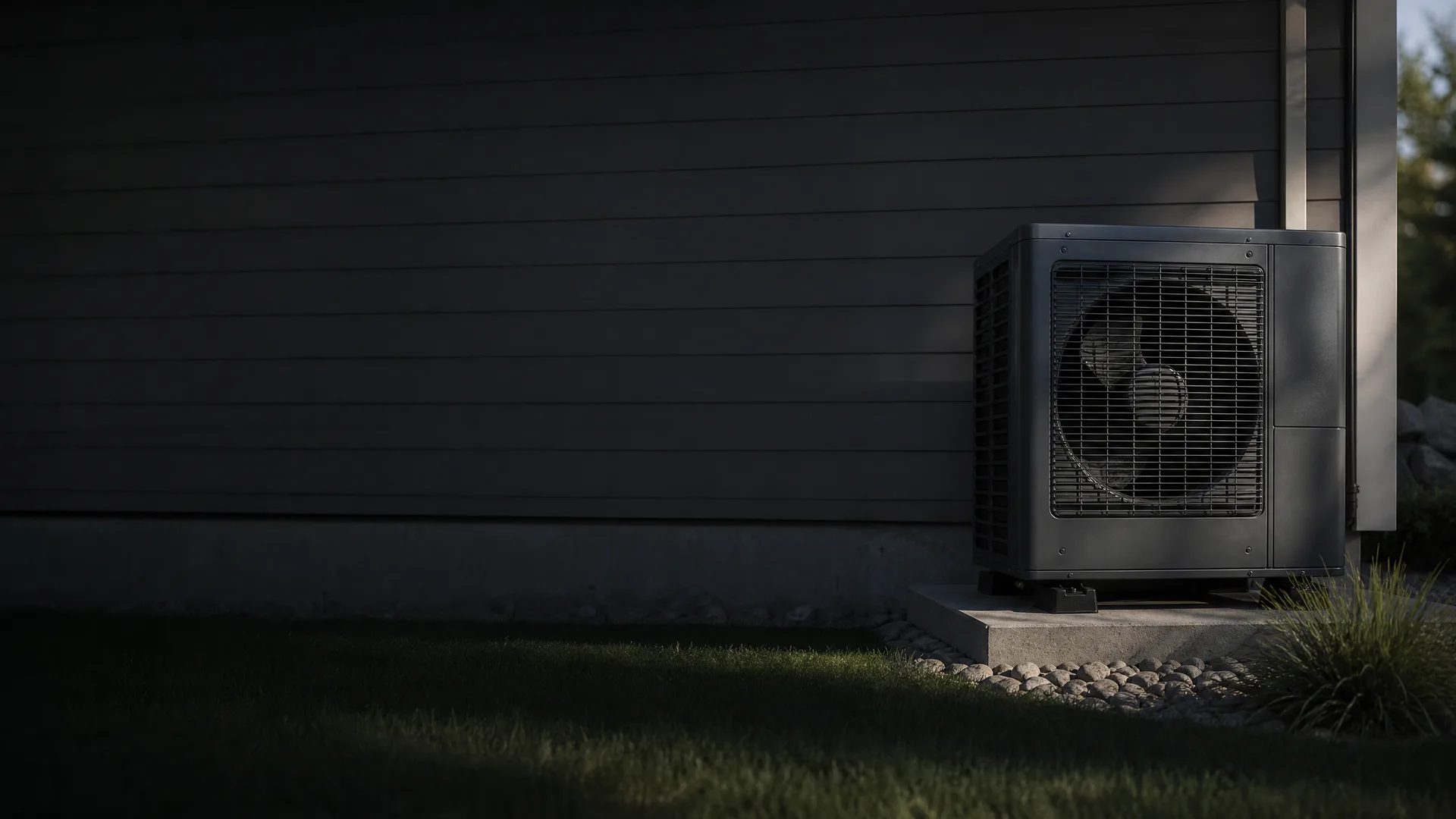
An outdoor air-source heat pump unit with a large fan grille stands on a concrete pad beside a dark horizontal-slat clad house wall, bordered by gravel, grass and an ornamental grass clump.

A heat pump pro near you

The pro who gets in touch is licensed in Idaho and works in Ada County.

New system or replacementHeat PumpAda County, ID
Step 1 of 2

What ZIP code is the job in?