 Get matched
What SEER rating makes sense for an Idaho home
A local installer who puts in air conditioners gets your project.
Summers in Idaho are hot and dry, and your air conditioner has to earn its keep for months at a time. Power here is cheap, and most homes heat with gas, so the math on a new AC looks different than it does in a place with humid summers and electric heat. The SEER2 rating on the unit matters, but what matters more is whether that rating fits your house, your ductwork, and what you actually pay per kilowatt hour.
A higher SEER2 number is not automatically the right call here. In a dry climate, a straight efficiency rating does not tell you how a system handles low humidity or how it was sized for your square footage. Two homes on the same street can need different equipment because of shade, insulation, or how the ducts were run.
This is where a second set of eyes matters. A contractor who installs AC systems in your part of Idaho knows which SEER2 ratings actually pay for themselves at local power rates, and which ones are overkill for a dry heat climate where gas handles the winter load. That's not something a rating chart on a manufacturer's website can tell you.
When you ask to be connected, you're not just getting a quote on a box. You're getting matched with a contractor who looks at your specific situation, your home, your current system, your budget, and tells you what actually makes sense to install. They'll reach out to you directly once you've sent the request.
From there, you're not the one sorting through SEER2 charts or trying to guess which contractor to trust. That part is off your plate. You just wait to hear from someone who already knows what questions to ask about a home like yours.
A SEER2 rating of 14.3 to 15.2 is enough for most Idaho homes. That is the federal minimum for this region now, and it covers what a dry heat climate actually asks of an air conditioner. Idaho summers get hot, but the dry air means your unit is not fighting humidity the way one in a muggy state does, so a higher rating buys less than it would there. Power here is also cheap, which changes the math on paying more upfront for a higher-efficiency unit. If you want to go above the minimum, 16 to 18 SEER2 units exist and run quieter with less temperature swing, but the extra efficiency has less to recover against a low power bill. What matters more for your house is getting the unit sized right for your square footage and ductwork. A contractor can walk through that with you and tell you what rating actually fits your home.


The number on the sticker comes from a full season of running, not one hot afternoon, so it tells you how the unit behaves on a mild May day as much as a 100 degree one in August. What separates a 14.3 unit from something higher is mostly the compressor. A basic unit runs full blast, then shuts off, then kicks back on. A two-stage or variable-speed compressor instead settles into a lower gear and stays there, which is part of why it reads higher on paper. Dry air helps either way, since a condenser coil sheds heat faster when the air around it isn't already carrying moisture, so the compressor isn't working as hard to begin with. That's the case for staying at the regional minimum here. The bigger difference in comfort usually comes from whether the unit is sized right for your house, not from climbing past 15.2. And with power priced the way it is in Idaho, the lower bill from a higher SEER2 system takes a while to catch up to what you paid extra to get it.
How SEER2 Actually Plays Out
- SEER2 is measured over a full season of cycling, not at one outdoor temperature, so it reflects how the unit runs on mild days and hot ones alike.
- A higher SEER2 unit uses a two-stage or variable-speed compressor, which runs at partial capacity most of the time instead of switching fully on and off.
- Dry air lets a condenser coil shed heat more easily than humid air does, so the same compressor moves more heat per unit of electricity here than it would in a humid state.
- The jump from 14.3 to a higher SEER2 number mainly buys you a compressor that modulates its output rather than one that cycles at full power every time.
- Because power is cheap here, the lower electric bill from a higher SEER2 unit takes longer to add up to what the extra equipment cost.
- A unit sized correctly for your house matters more for comfort and wear than chasing a SEER2 number above what the region requires.


A local pro for your air conditioner installation
With cheap power and dry summer air, paying extra for an 18 or 20 SEER2 system rarely earns its keep in Idaho. That equipment costs more to install and the humid-climate advantage it's built for doesn't apply here. Where the SEER2 number does matter is getting it matched to your house. A unit sized wrong for your square footage or your ductwork will run harder than it should no matter what rating is stamped on it, and that's a sizing question specific to your home, not a general one. A contractor who installs in Idaho regularly can look at your house and tell you whether 14.3 is enough or whether it's worth going a step up, and get the unit sized right while they're at it. That's the part worth handing off. Send the request and let someone who does this work locally take it from here.
What This Means for Your House
- A 14.3 to 15.2 SEER2 unit sized right for your square footage will hold your house at temperature through the hottest August afternoon.
- Your power bill reflects the dry air working in your favor, since the compressor is not fighting moisture the way it would in a humid climate.
- An oversized or undersized unit shows up as rooms that never quite cool or a system that short cycles and wears out early.
- If your current AC came with the house, its SEER rating is likely well below what's required new today, which is worth knowing before you compare quotes.
- Skipping the right rating for your home risks a system that runs longer than it should just to keep up, even on dry summer days.
- Matching the unit to your home's size and your gas furnace setup matters more to your comfort than chasing a higher SEER2 number than you need.
A right-sized 14.3 to 15.2 SEER2 system does its job quietly. Your house holds temperature through the afternoon without the unit running nonstop, and that steady operation is what keeps a compressor lasting as long as it should. You will feel the dry climate advantage in the bill, not in the bullets above, since Idaho's air lets the system do less work per degree than it would somewhere humid. Sizing is where most of the risk sits. A unit that is too big cools the air fast but shuts off before it pulls the moisture and heat out evenly, so rooms feel clammy or uneven even though the thermostat reads satisfied. One that is too small never stops running on the hottest days, and that constant cycling is what shortens a compressor's life well before it should wear out. If the air conditioner at your house came with the home when you bought it, there is a good chance it was installed under an older, lower SEER standard, since the federal minimum has moved up since then. That gap matters when you are comparing a replacement quote against what you have now, because the old number was never meant to be a benchmark for the new one. None of this means chasing the highest SEER2 number on the list. It means getting the size right for your square footage and your ductwork, and matching that to a gas furnace setup if that's how your home heats, so the two systems work together instead of one compensating for the other.


Is your old AC actually too small for your house
If a room upstairs never quite cools down, or the unit runs most of the afternoon without the house catching up, that's not a SEER2 problem. That's a sizing problem, and no rating fixes it. An oversized or undersized unit cycles wrong no matter how efficient it is on paper. You might also notice the condenser running long after the thermostat should have shut it off, or a power bill that creeps up each August even though you haven't changed the thermostat setting. Left alone, a unit working harder than it should wears out its compressor sooner, and you end up replacing the whole system years before you needed to.
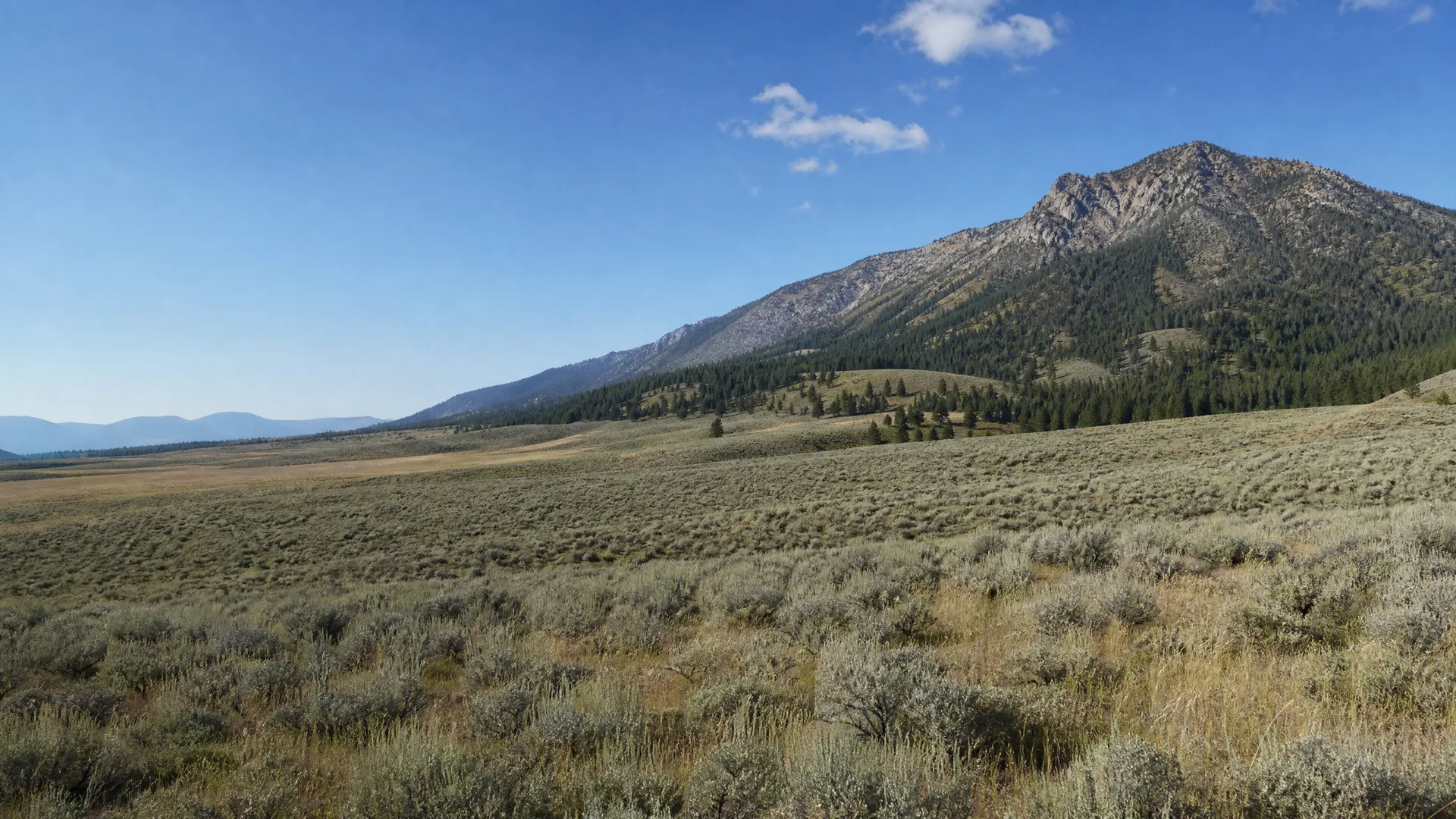
A dew point of 42°F is what the dry side of Idaho summer actually means. That number, averaged across June, July and August at ground stations around the state, is low enough that sweat still does its job and the air gives up heat easily. Your air conditioner benefits from that every time it runs. The dry air lets the condenser shed heat fast and lets indoor moisture leave your house without much fight, so the system spends its effort cooling the air rather than wringing water out of it. That's why a mid-range SEER2 unit keeps up here in ways it wouldn't in a humid state.
NASA POWER T2MDEW county cells weighted by homes




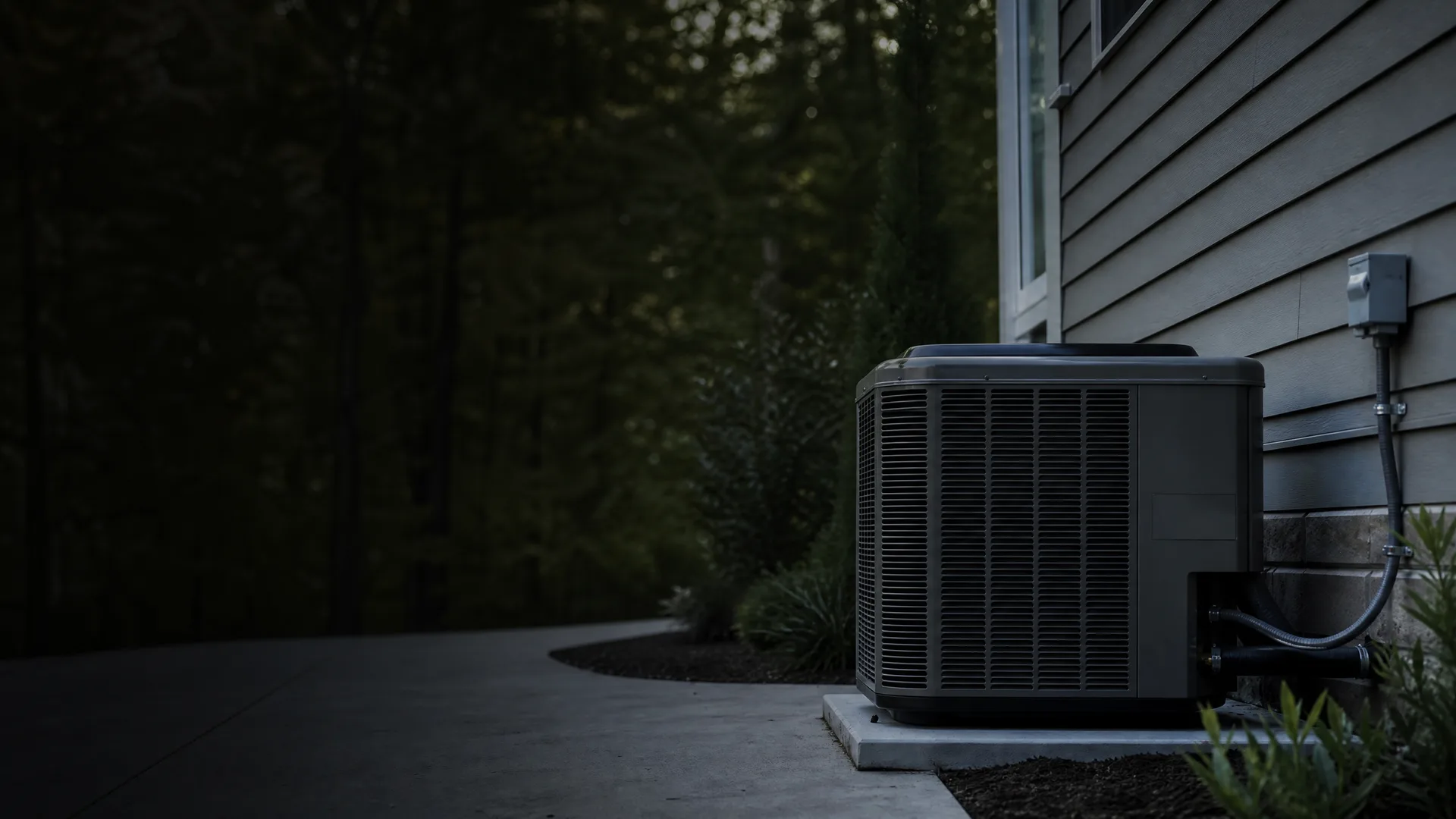
Warm air returns through the ducts and crosses the filter first.
The indoor coil pulls heat out of that air as refrigerant evaporates inside it.
Refrigerant carries the heat outside to the compressor and condenser coil.
The compressor presses the refrigerant gas until it's hot enough to dump heat outdoors.
Power costs 11.83 cents per kilowatt-hour statewide
At 11.83 cents a kilowatt-hour, a 14.3 to 15.2 SEER2 unit keeps your summer bill reasonable without chasing a higher rating you'd pay more upfront to get. The extra efficiency of an 18 or 20 SEER2 system saves you less here than it would where power costs more, so it takes longer to earn back what it cost to install.
EIA-861 2025 statewide residential average

14.3 to 15.2 SEER2, sized and installed right, is the answer
Idaho's dry heat and cheap power settle this question. A unit in the 14.3 to 15.2 SEER2 range covers what your house actually asks of it, and paying more for a higher rating doesn't pay you back here the way it might somewhere humid. Sizing and a clean installation matter more than chasing a number past that range.
If you've read this far because your current system is struggling or you're planning ahead for a replacement, the next step is getting someone out to look at your house and your ductwork, not just your square footage. A contractor matched to your home can tell you what size unit it actually needs and install it so it hits that rating in practice. Once you request that, the search is off your plate. Someone who knows this climate takes it from here.

Get the right pro for your air conditioner
Send it once and finding someone is no longer on you.