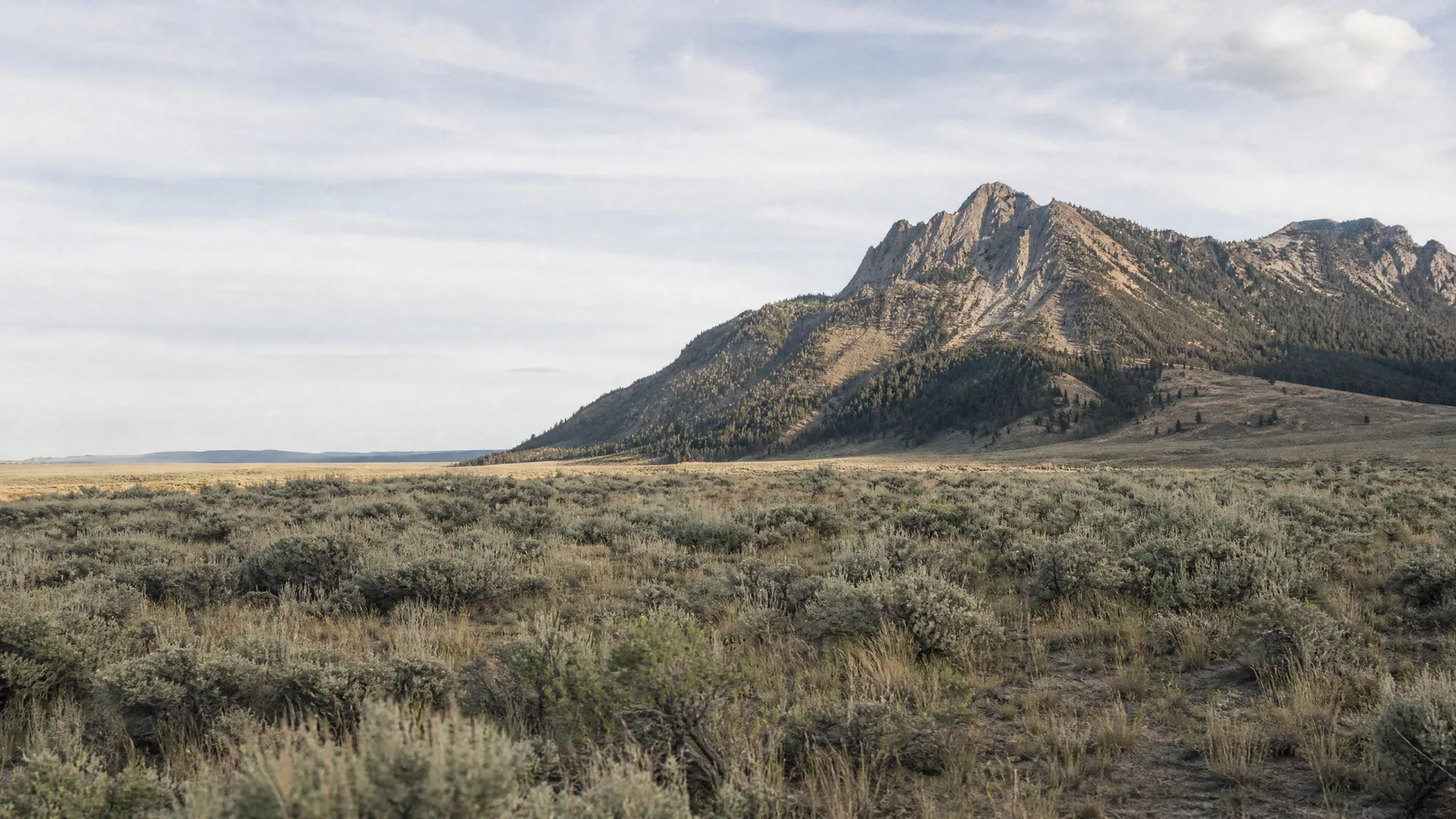
Cold-climate models hold their output down to -13°F
A cold-climate mini split is built to keep producing heat at temperatures Idaho winters actually reach, instead of trailing off once it gets hard cold.
A mini split can heat an Idaho home in winter, but how well depends on the model and the cold snaps you get. Mini splits pull heat from outside air, and that gets harder as the temperature drops. Older or low-end units lose real capacity once it's in the teens or below, and some stop heating effectively well before that. Newer cold-climate models are built to keep working down into negative temperatures by using a different compressor design made for that job. If your mini split isn't rated for cold climates, it may struggle on your coldest nights even though it heats fine most of the winter. Most homes here heat with gas, so a mini split is often a second heat source rather than the only one. That changes what you need from it. The right unit, sized and rated for Idaho winters, can carry your heat most days and lean on backup only when it's truly cold.




A cold-climate mini split is built to keep producing heat at temperatures Idaho winters actually reach, instead of trailing off once it gets hard cold.
Most Idaho homes already heat with gas, and keeping that furnace or wall unit tied in covers you on the nights a mini split alone would struggle to keep up.
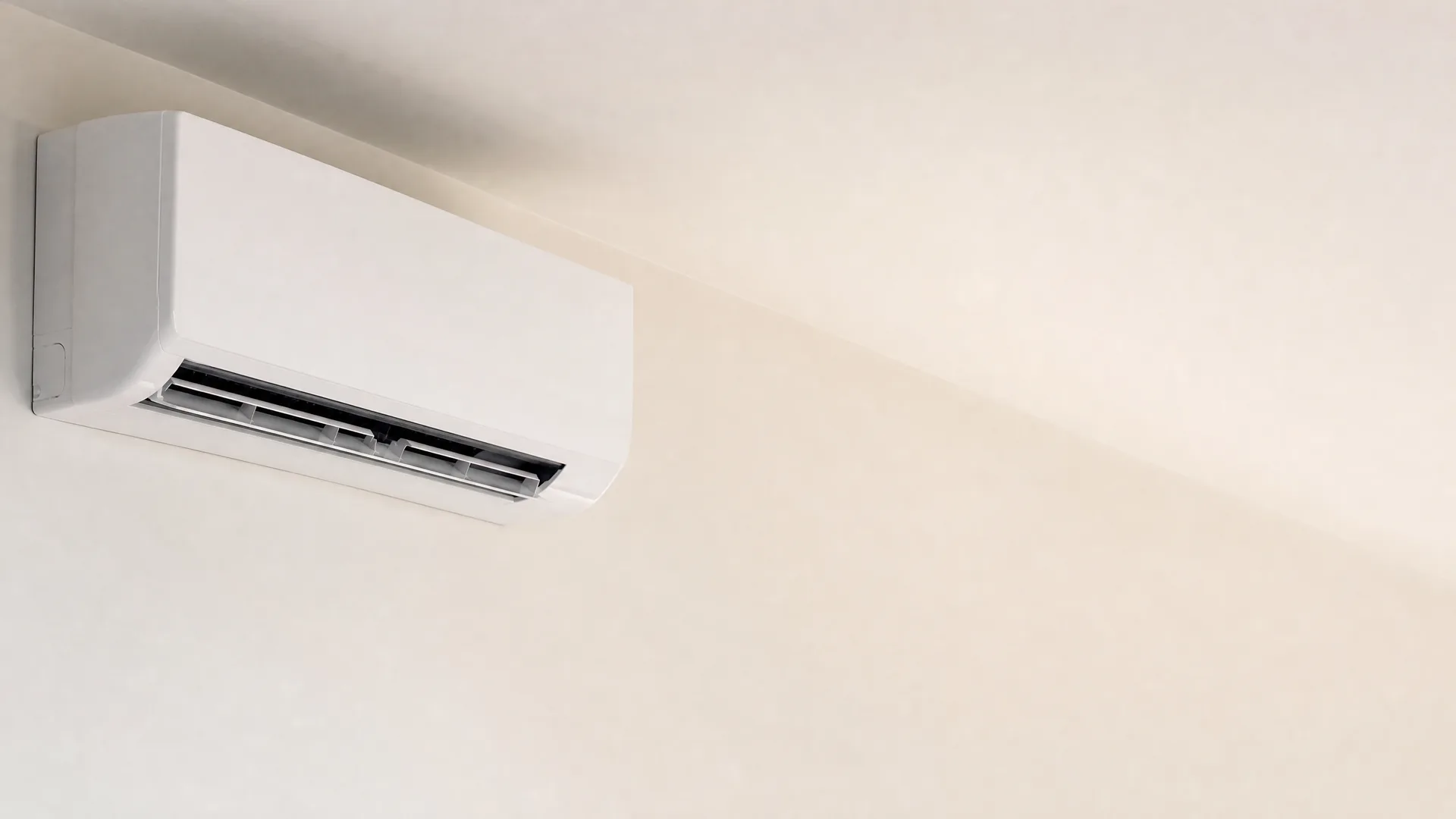
Run a standard mini split through a stretch of single-digit nights and you'll feel it: the air coming out gets cooler, the unit runs longer, and the room never quite catches up. A cold-climate model keeps pushing out heat through that same stretch. If yours was installed for a mild-winter state, not Idaho, that's the gap you're likely to notice first, right when you need it least.
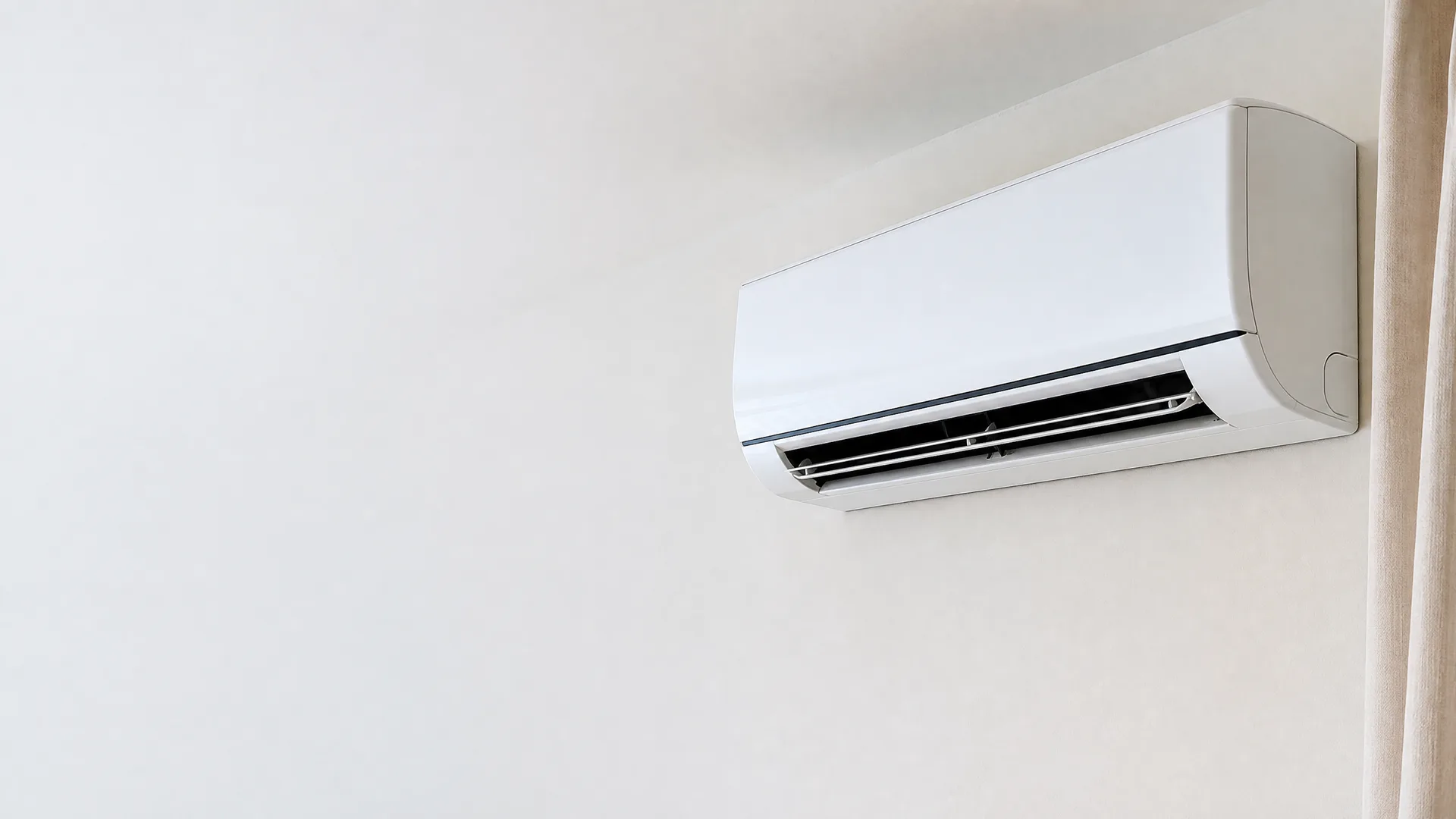
Power here is cheap, but most Idaho homes already heat with gas, and that system is probably still doing most of the work. A mini split sized and installed to actually carry a room can take load off the furnace on the days it runs, instead of just supplementing it. If it's undersized or struggling in the cold, the furnace ends up covering the same hours it always did.
You've seen that a mini split pulls heat from outside air, and that sounds backward when it's 15 degrees out. You want to know what's actually happening inside the unit before you trust it to carry your house through an Idaho winter. It helps to know the mechanism, not just the marketing claim.
The outdoor unit runs refrigerant through a coil, and that refrigerant is colder than the outside air even on a cold night, so it still absorbs heat as air passes over it. A compressor then squeezes that refrigerant, which raises its temperature further, and sends it inside to a second coil where a fan blows your room air across it. The indoor air picks up that heat and that's what comes out of the vent. No flame, no gas line, just refrigerant changing pressure and state in a loop. The colder it gets outside, the less heat the refrigerant can pick up per pass, which is why capacity drops in a hard freeze and why the compressor inside a cold-climate unit is built to keep working harder to make up for it.
Refrigerant outside absorbs heat from the cold outdoor air.
The compressor squeezes that refrigerant, raising its temperature.
Hot refrigerant flows inside and releases heat through the indoor coil.
The indoor fan pushes that heated air into the room.


You've read what makes a mini split hold up through an Idaho winter and what happens when one doesn't. The next step is getting the install right, and that's not something to leave to guesswork. Sizing a unit for your house, picking a cold-climate model that actually matches your coldest nights, and tying it in with whatever backup heat you're running all take someone who installs these locally and sees how they hold up once the temperature drops. That request goes to one contractor, not a handful, so you're not fielding calls all week while you're trying to figure out if your gas furnace needs to stay in the mix. If you're weighing a mini split against sticking with gas, or trying to figure out what size your place actually needs, that's a conversation worth having before the next cold snap, not during it.
Keep the gas furnace as backup and the mini split handles the shoulder months on its own, running the coldest nights only when the temperature drops past what you'd ask it to cover.
Ask a cold-climate mini split to carry the whole house and it can, but you're leaning on one system for every night of an Idaho winter instead of splitting the load with gas you already have.



This is what a mini split should look like on a cold night: mounted high, running quiet, pushing warm air into the room without strain. A cold-climate model keeps this up through single-digit nights and still warms the room all the way through.

Dust and age aren't the only reasons a mini split looks like this. A unit that's undersized or isn't rated for cold climates works harder in an Idaho winter, and the air coming out stays lukewarm no matter how long it runs.
You'll notice it on the nights the temperature really drops. The air coming out of the indoor unit feels cooler than it did in October, the fan seems to run nonstop, and the room that used to warm up by evening stays a few degrees short. If the unit is your only heat in that room, that gap is what you're living with until the weather breaks. Leave it alone through enough cold snaps and the strain adds up, more running time for less heat, and a room that depends on backup heat kicking in more than you planned for.

That dew point figure is a summer number, not a winter one, and it says something about the install itself. Idaho summer air averages 42°F for dew point across June, July and August, per NOAA climate data, which is dry air by any measure. Dry air moves heat more easily, and a mini split sized and installed for that kind of summer load runs lighter than one put in someplace muggy. It also means the same outdoor unit doing your cooling in July has an easier job of it than units installed in wetter states, which matters when you're asking that same equipment to carry real heat on a January night.
NASA POWER T2MDEW county cells weighted by homes


At under 12 cents a kilowatt-hour, running a mini split hard on a cold night doesn't put much of a dent in your bill. That's worth knowing if you're weighing it against keeping the gas furnace as backup, since the cost of leaning on the mini split more isn't the thing holding it back. Capacity is.
EIA-861 2025 statewide residential average
A mini split can heat your Idaho home all winter, provided it's a cold-climate model and the install accounts for how cold it actually gets where you live. That's the whole answer. A standard unit will run, but you'll feel it give up output on the nights you need it most. A cold-climate unit, sized for your house and installed to carry that load, keeps pushing out heat down to around -13°F, and your gas furnace can sit behind it for the nights that go colder still.
Getting there depends less on the equipment itself than on who puts it in. Idaho winters aren't gentle, and an installer who works on these units every season knows which models hold their rating here and which ones are rated for a milder climate than this one. That's not something you can check from a spec sheet. It shows up in how the unit is sized, where it's mounted, and whether the installer has already seen what happens to the wrong model on a hard cold night.
Sending in your information connects you with one contractor, local to you, who does this work. Not a handful of companies competing for the job, not a round of calls to sort through. One licensed installer who can look at your house, size the unit for what you're asking it to do, and tell you straight whether it's carrying the whole load or backing up the furnace you've already got.
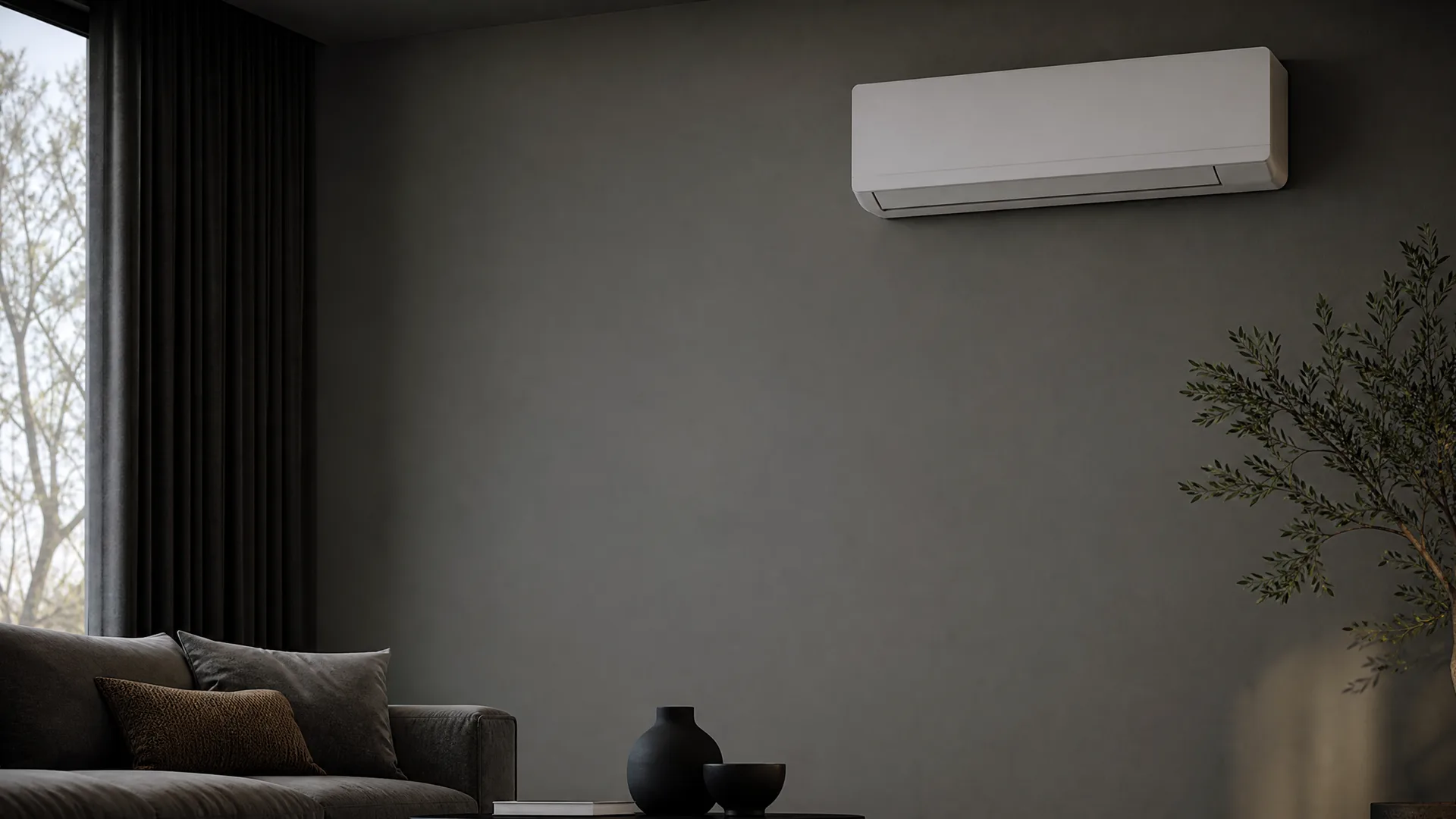
Your request stays with one local pro.