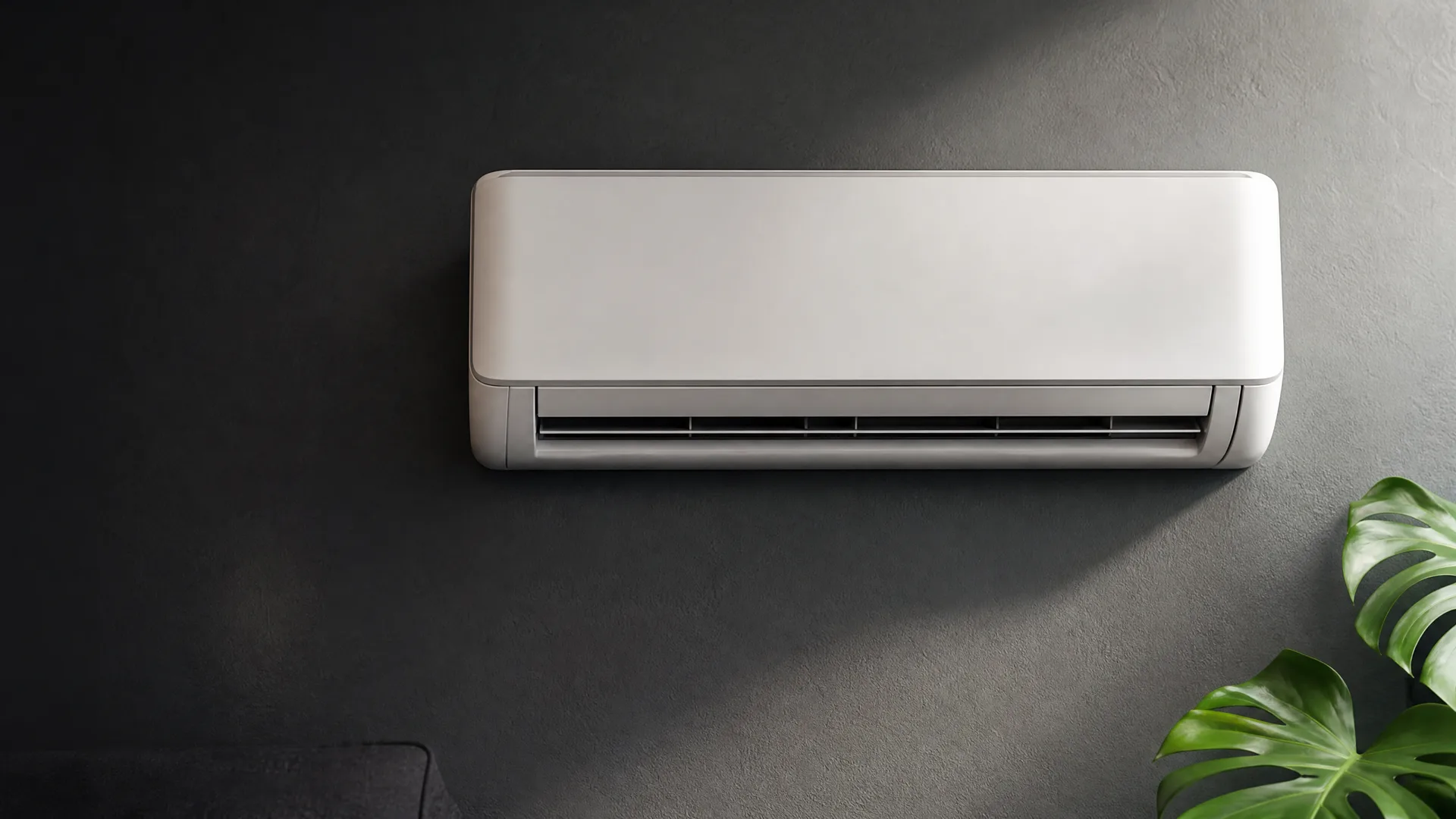
One request ends the search for a mini split installer.
A mini split in Idaho earns its keep. It runs through summer when the dry heat sits on the valley, and for a lot of homes it quietly backs up the gas furnace on the shoulder months of fall and spring. That kind of year-round work is exactly what wears a unit down faster than the manual promises, and it's also why the install matters more here than people expect.
A mini split that's sized wrong for the room, or mounted where the sun hits it all afternoon, or set up with a line set that's too long for the condenser, won't make it as far as one that's installed right the first time. You can't see most of that from the wall unit. It shows up later as a system that short cycles, or a compressor that works harder than it should every single day it runs.
That's the part worth getting right before anything else, not after something starts failing. Finding a contractor who installs mini splits regularly in Idaho, who knows how the dry heat and the cheap power here change what a good setup looks like, isn't something you have to chase down yourself. Send the request and someone local who does this work every season picks it up. One contractor, not a handful of calls competing for your time.
From there it's off your plate. You're not the one tracking down who's available or who knows the equipment. That part moves on its own once you've sent the details, and you can go back to whatever you were doing before you searched this.
How long do mini splits last in Idaho?
You've got a mini split running hard through a hot, dry Idaho summer and probably picking up some of the furnace's work in spring and fall too. With that kind of use, it's fair to wonder how many years you'll actually get out of it before it needs replacing, and what might cut that short.
A mini split in Idaho typically lasts 15 to 20 years
That range holds as long as the unit was sized right for the space and installed correctly from the start, with the line set properly charged and the condensate drain sloped the way it should be. A unit that's undersized runs constantly trying to keep up with summer heat, and that extra strain on the compressor is what shortens its life. Since most Idaho homes lean on gas for heat, the mini split's biggest job is cooling, so summer performance matters more here than it would somewhere the system had to carry the whole winter too. Cheap power locally doesn't change how hard the compressor works. It just changes what running it costs you.
A mini split kept clean and serviced on schedule can run its full stretch without surprises.
Years of dust packed into the coil and vents force the compressor to work harder for less cooling.
1
Dust and grime build up on the indoor coil and filter
2
A clogged filter starves the system of airflow across the coil
3
The compressor runs longer to push out the same cooling
4
That extra strain wears down the compressor years before its time
Is your mini split showing its age?
Look at the indoor unit while it runs. If it takes longer than it used to for the room to feel cool, or the air coming out feels weaker than it should on a hot, dry afternoon, the system is working harder than it's built to. Listen too. A clicking at startup, a hum that wasn't there before, or the outdoor unit cycling on and off more than usual all point to a compressor under strain. Check for ice on the indoor coil or water pooling near the unit, both signs the airflow isn't right. Left alone, this is how a mini split burns out its compressor well before it should, leaving you without cooling right when you need it most.
A dew point of 42°F is what the air measures across an Idaho summer, averaged over June, July and August. That's dry air, the kind that doesn't fight your mini split the way it would in a muggy climate. The system pulls heat out of the room without also wringing a lot of moisture out of the air, so the compressor isn't working double duty. That's easier on it over a season. But dry heat still means long run hours on hot afternoons, and a unit that's been running that hard for years deserves a look from someone who knows what to check. Send in the form and the search for that person is done, one licensed contractor local to Idaho, who sees this equipment in this climate all summer.
A mini split that's slowing down or short-cycling through an Idaho summer isn't a problem you can put off until the furnace season settles it. Once the dry heat sets in, you're relying on this unit to do real work, and a compressor already struggling isn't going to improve on its own. Finding the right person to look at it takes time most people don't have lying around, especially with power cheap here and no reason to let a weak system run up the bill anyway. A local contractor who works on mini splits all season knows which parts tend to fail first in this climate and what to check before recommending a repair or a replacement. Sending the request means that search is no longer sitting on your list. You go back to running the AC and let someone who does this daily figure out what your system actually needs.
Why the dry air helps
Idaho's low humidity means the compressor spends less energy wringing moisture out of the air and more just dropping the temperature. In a muggy climate the same unit works through both jobs at once, and that extra load adds up over years of summers. Here the compressor cycles on, cools the air, and shuts off again without the long, damp runs that wear parts down faster elsewhere. It's one reason a well-kept mini split in Idaho can reach the upper end of its expected life instead of the lower end.
Why the furnace backup matters
Most homes here lean on a gas furnace for the coldest months, so the mini split isn't carrying the full weight of winter heating too. That split workload means fewer total hours on the compressor each year compared to a system that has to heat and cool a home on its own. Less running time across the year adds up to less wear over the system's life. A mini split asked to do everything, summer and winter both, simply racks up more hours and reaches the end of its life sooner.
Running it on gas backup duty
Most homes in Idaho heat with gas, so the mini split is rarely the only thing keeping a room warm. It picks up the mild stretches in fall and spring, running short cycles instead of the long, steady hours the furnace handles once it gets cold. That lighter winter load is easier on the compressor than the summer months are. A unit used this way isn't being asked to carry the house through January, just to take the edge off a cool morning or a 50 degree afternoon. Over a lot of years, that split in the workload matters. The furnace absorbs the hardest part of winter, and the mini split gets a break from the kind of strain that shortens its life.
Running it as the only option
Some homes lean on the mini split for both heating and cooling, with no furnace splitting the work. That unit runs through the hot, dry summer and then keeps going straight into the cold months, with no season where it gets to idle. The compressor that would otherwise rest from November through March is instead cycling on cold mornings and through freezing nights, same as it did in July. Power here is cheap, so the bill isn't the issue. The wear is. A mini split asked to carry a house year round puts in more total hours than one that only handles summer, and that adds up to fewer years before something in it gives out.
Before you get your mini split installationAfter you get your mini split installation
Running clean
A mini split that's kept clear shows a quiet coil and an even airflow out of the vents. The wall around it stays clean too. Air moves through without resistance, and the compressor only works as hard as the room actually demands.
Running dirty
Dust and grime along the vents like this means the coil underneath is probably worse. That buildup blocks airflow, so the compressor runs longer and harder to push out the same cooling, and the unit wears down faster for it.
Power costs 11.83 cents per kilowatt-hour statewide
At 11.83 cents a kilowatt-hour, running the mini split costs less here than it would in most states. That makes it cheap insurance to leave it doing the shoulder-season work alongside your gas furnace instead of shutting it down, since the extra hours barely show up on the bill.
EIA-861 2025 statewide residential average
What determines how long it lasts
A mini split in Idaho that's installed correctly and kept clean generally runs its full expected lifespan without early compressor failure.
The dry summer heat here is easier on the system than humid climates, so wear usually comes from dust and skipped maintenance, not the weather.
Cheap power means running the unit through the shoulder months alongside your gas furnace adds little to the bill.
A local contractor who services this equipment every Idaho summer knows which parts tend to fail first and checks those before they do.
Working with one licensed installer instead of several means you get a straight answer about your system, not a round of competing quotes.
Correct installation from the start is what lets the unit reach the years it's built for instead of falling short of them.
A mini split in Idaho doesn't fail early because of the heat. The dry summer air here is kind to the compressor compared to what the same unit would face in a muggy state, since it only has to drop the temperature instead of wringing moisture out of the room at the same time. What shortens its life is dust on the coil, a filter nobody's changed, or a cycle running long because airflow is choked down. Cheap power here also means there's no real cost to leaving it on through the shoulder months, backing up your gas furnace on the mild days of spring and fall, so there's little reason to shut it off and let it sit.
Getting the years the unit is built for starts with how it goes in. A correct installation, the right size for the room, proper refrigerant charge, lines run clean, is what lets everything downstream work the way it should for as long as it should. That's where a local contractor matters. Someone who services this equipment every Idaho summer has seen which parts tend to give out first here, and checks those before they become the reason you're calling for a repair instead of a tune-up. You're not getting quotes from three companies and trying to guess which one is telling you the truth. You're getting one licensed installer who knows this climate and this equipment, giving you a straight answer about what your system needs.