A clean filter keeps the coil clean
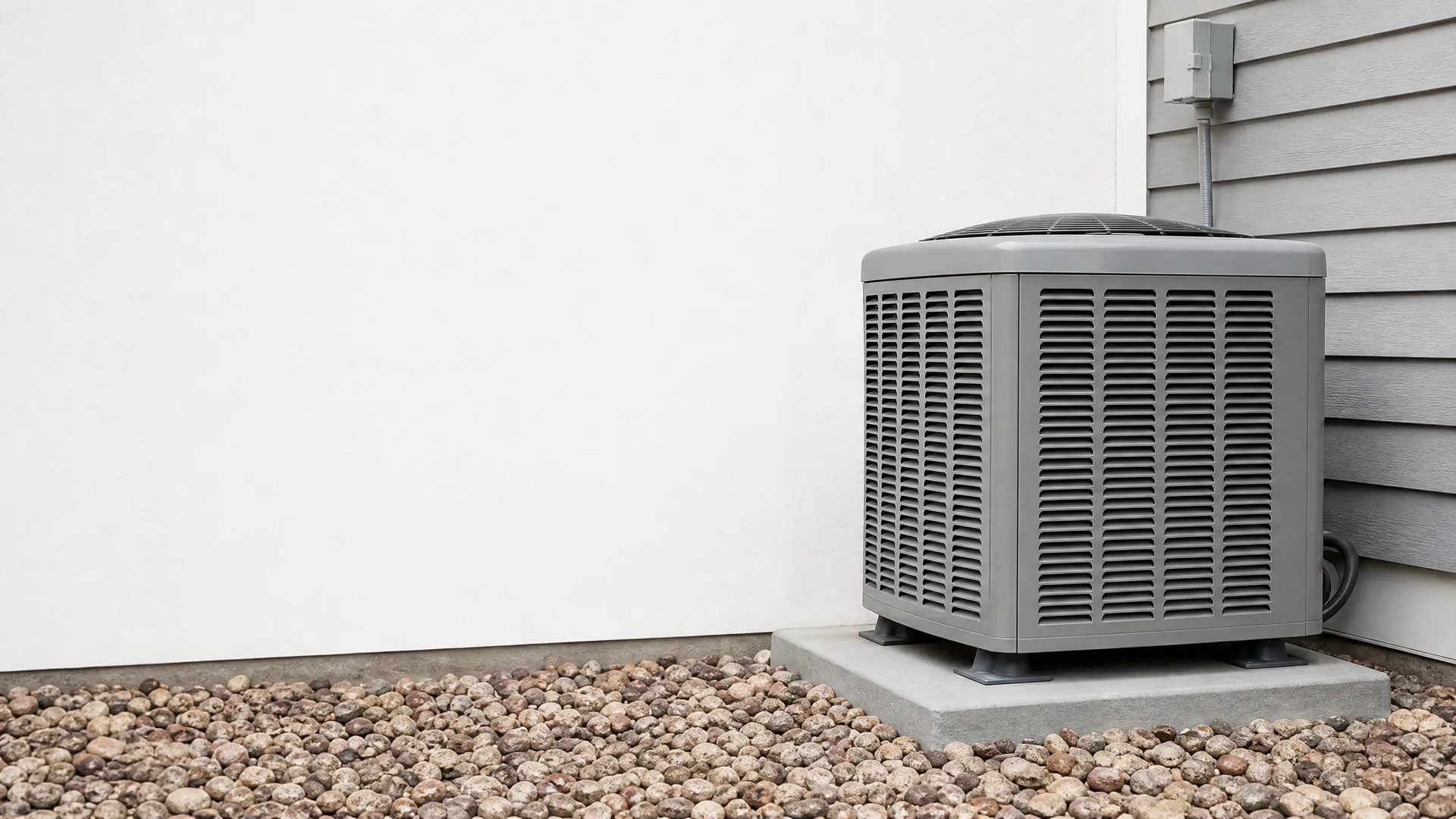
This is what the outdoor unit looks like when the filter is doing its job. Air moves through freely, the coil stays clear, and the system can shed heat the way it's supposed to all summer.

Dry air doesn't feel dirty, so it's easy to assume the filter can wait. But Idaho summers push the AC hard for months at a time, and the dust that comes with a dry climate is finer and gets pulled through the return more easily than you'd think. You want to know a number you can plan around, not a vague reminder to check it sometime.
A one-inch filter clogs faster than a thicker pleated one because it has less surface area to catch dust before airflow drops. Idaho's dry summer air carries fine dust that gets pulled through the return all season, so a filter that would last three months in a damp climate can look gray in six weeks here. Once it's clogged, the system pulls harder to move air across the coil, which runs up your power bill and can ice the coil over if it goes too long. Check it at the start of summer, then again midway through. If you run a one-inch filter, plan on replacing it monthly once the AC is working daily.

This is what the outdoor unit looks like when the filter is doing its job. Air moves through freely, the coil stays clear, and the system can shed heat the way it's supposed to all summer.

Dirt that gets past a clogged or neglected filter ends up coating the coil fins like this. A soiled coil can't release heat well, so the compressor works harder and runs longer to cool the same house.




The blower motor is built to move a certain amount of air. When the filter clogs, it has to pull harder to move the same amount, and that extra draw is what shows up as a higher bill before anything else. Keep ignoring it and the airflow drops low enough that the evaporator coil gets too cold. Instead of just cooling the air passing over it, moisture on the coil starts freezing. Once ice forms, it blocks even more airflow, so the problem feeds itself. A system in that state can keep running, compressor and all, without putting out any cool air, which is why a frozen coil is often mistaken for a bigger failure than it is. Idaho's summer dust is part of what gets you here faster than you'd expect. It's fine and dry, and it packs into filter fibers well before the three month mark some people go by. A contractor who gets called out for a system that "just stopped cooling" is checking the filter first, because it's the most common reason behind that complaint.


Dry dust doesn't clump the way damp dust does, so it rides the airflow instead of settling on furniture and floors. A lot of it ends up pulled straight into the return vent. Once it reaches the filter, fine dry particles pack into the weave tighter than the coarser grit you'd get in a humid climate. That packed layer restricts airflow sooner than you'd expect from how the filter looks. A filter that still looks gray and lightly used can already be choking off more air than the blower was built to push against, especially after a stretch of hot, dry, windy days.
Most central systems run a one inch filter, and that size has less surface area to catch dust before airflow suffers. In a dry climate where fine particles are constantly in the air, a one inch filter reaches its limit faster than a thicker filter would. It's not that the filter is wrong for the job, it's that the margin is smaller. Checking it against the light is a fair way to judge it between changes, since a filter you can't see light through is already past the point of helping the system breathe.


Run a dirty filter through the hottest stretch and the AC loses airflow right when it's working hardest. Expect a higher bill and a system that struggles to keep up on the worst days.
A filter changed before it clogs keeps the coil clean and the airflow where it should be. The AC runs the way it was built to, through the hottest part of the Idaho summer.
At 11.83 cents a kilowatt-hour, a clogged filter costs you more right away, since the blower draws extra current just to push air through it. Keep the filter clean and the AC moves the same air for less, all summer.
EIA-861 2025 statewide residential average
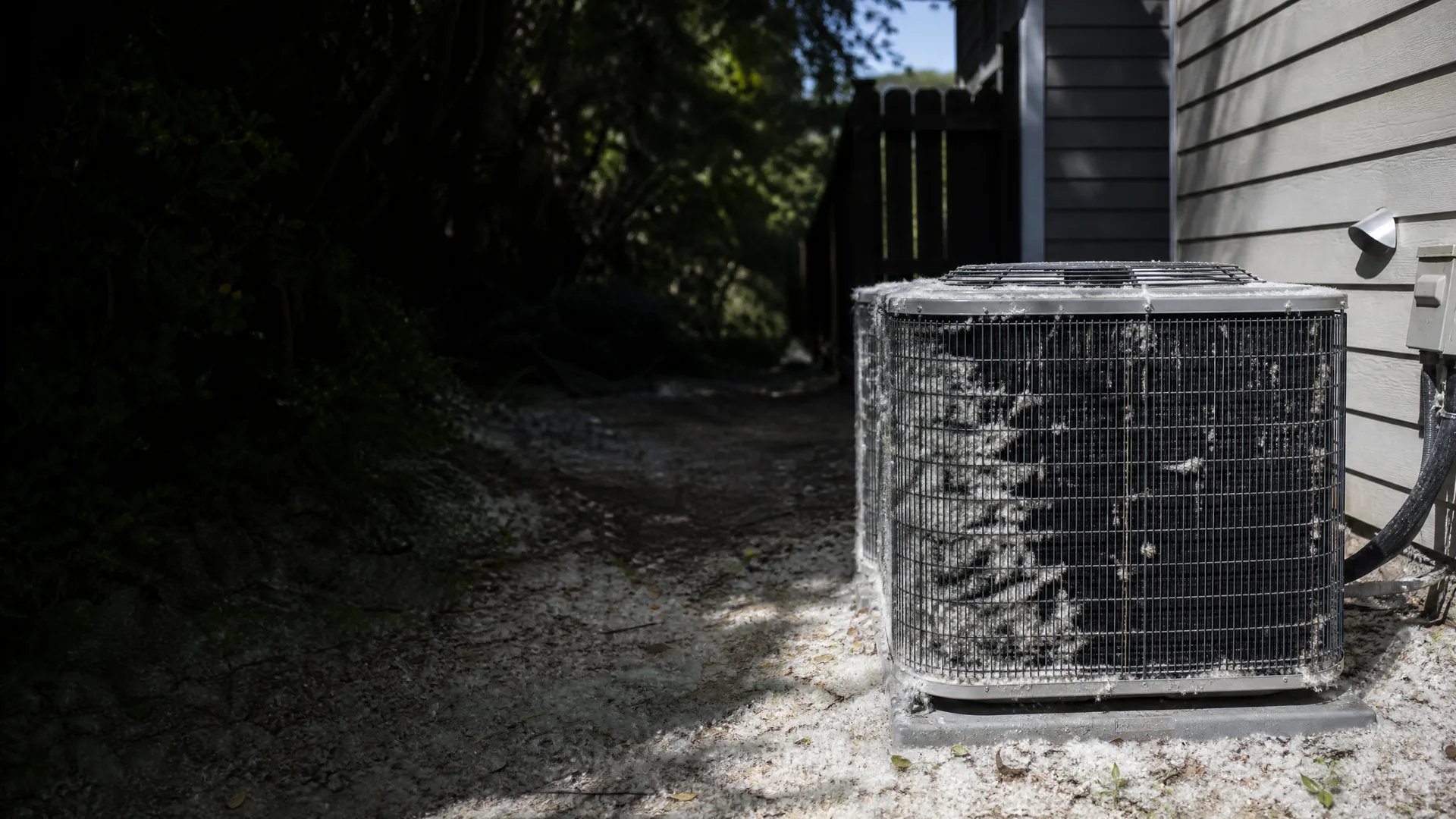
Cottonwood season hits in late May, and your condenser sits against the side yard fence catching all of it. The fluff drifts across the lawn all afternoon and settles into the fins, a thin white mat you don't notice until you walk past and see the unit working under a layer of it. Airflow through those fins is already down by the time you spot it. Most people in this part of Idaho deal with the same thing every spring, which is why a local contractor who services this equipment all season knows to check the fins along with the filter, not just one or the other. One visit covers both.
Your request stays with one local pro.
No fee to send it, and nothing to sign.

Pull the filter and hold it up to a light. If you can't see light through it clearly, it's done. This takes less than a minute and costs nothing, but it only works if you actually remember to do it, and most people forget once the heat sets in and the house is busy. A missed month in July does more damage than a missed month in March, since the system is running nearly all day.
Pick a date every month and change the filter whether it looks dirty or not. You lose the chance to stretch a cleaner filter a few extra weeks, and you spend a little more on filters over the summer. What you gain is that the AC never runs on restricted airflow for weeks without you noticing, which matters more in July and August than any savings on filters would.

Dew point here averages 42°F across June, July and August, which is what dry means in practice. Air that dry doesn't slow the dust down, so it rides straight into the return vent instead of settling on a windowsill first. Your AC is pulling in that same dry, fine dust all summer, and the filter is the only thing stopping it from reaching the coil. Low humidity also means the system isn't fighting moisture, so what's left wearing it down is airflow, and airflow is exactly what a loaded filter takes away. You won't see it in the air. You'll see it in the vents blowing softer than they did in May.
NASA POWER T2MDEW county cells weighted by homes
A clogged filter cuts off airflow before it cuts off cooling, so the house can feel stale or stuffy even while the thermostat reads the right number. You might notice certain rooms running warmer than others, or the vents putting out weak air instead of a steady flow. Some households notice a faint burning smell when the system kicks on, which usually means dust sitting on a part that's heating up more than it should. Left long enough, the blower motor is working harder than it needs to just to push air through a clogged filter, and that strain doesn't go away on its own. None of this means the AC is failing. It usually means the filter is overdue.

Clear fins, a clean cabinet, mulch beds trimmed back around the pad. Air moves through the coil without resistance, so the system sheds heat the way it was built to. A unit that looks like this on the outside usually has a clean filter doing its job on the inside.

Grime packed into the fins, dust built up across the housing. Air has to fight its way through before the coil can do anything with it, so the compressor runs longer for the same result. A filter left in past its time usually looks like this by the end of summer.
A filter checked once a month and changed before it loads up is most of what your AC needs to get through an Idaho summer. The rest is the parts you can't see from the hallway closet, the coil, the blower, the refrigerant charge, and that's where a contractor earns the visit. The one who comes out is local, works on this equipment all summer long, and has a good idea what tends to go wrong on a system that's been pulling dry, dusty air for months before anyone calls. You'll be matched with one contractor, not several, so you're not fielding calls from companies you didn't ask to hear from. Your filter is the part you maintain. Everything past it is the part someone else checks.





Your request goes to one pro, not a list of companies.
Sending the form costs nothing.
