One blocked return can choke a whole branch
A return grille blocked by furniture or a closed interior door can cut off the air pressure that pushes cold air down that room's duct run.
It's off your list after this
One room stays warm no matter how long the AC runs, and in dry Idaho heat that gets noticed fast. Usually it comes down to airflow not reaching that room, a duct problem, or the system struggling to keep up on the hottest days. This page walks through what causes it and what fixes it. When you're ready, send the request and let a local contractor take it from here.
Hand off my repairThat one room stays hot because it isn't getting its share of the cold air your system is making. The air has to travel further to reach it, through more duct, more bends, or a duct that was sized too small when the house was built. If the room sits over a garage or under a west-facing roof, Idaho's dry summer heat pushes through that extra exposure faster than the duct can answer it. A closed or blocked vent, a crushed flex duct, or a return that can't pull air back out of that room will do the same thing. On the hottest days, a system that's otherwise fine can still fall behind in the room furthest from it, because it's working at its limit everywhere else first. None of this fixes itself by running the AC longer or turning the thermostat down further. It takes someone opening up the duct run or checking the room's airflow to find where it's actually losing ground.


Your system is built to push one pressure of air through every duct in the house, not to send extra to the rooms that need it. Whichever room sits at the end of the longest run, or past the most turns in the ductwork, is going to get the least of that air, every time. Somewhere near the furnace there's likely a damper that can be adjusted by hand. If someone closed it partway years ago and forgot, that branch has been shortchanged ever since. The air that does arrive also needs a way out. If the return grille in that room is blocked, or the door stays shut most of the day, the cold air coming in has nowhere to push the warm air it's replacing. A duct sized small from the start will choke airflow no matter how well the condenser outside is running. And a dirty blower wheel or a clogged filter cuts the whole house's airflow first, which shows up soonest in the room already getting the least.




A return grille blocked by furniture or a closed interior door can cut off the air pressure that pushes cold air down that room's duct run.
A system low on refrigerant still blows air, just not cold enough to reach the far end of the ductwork on a hot afternoon.

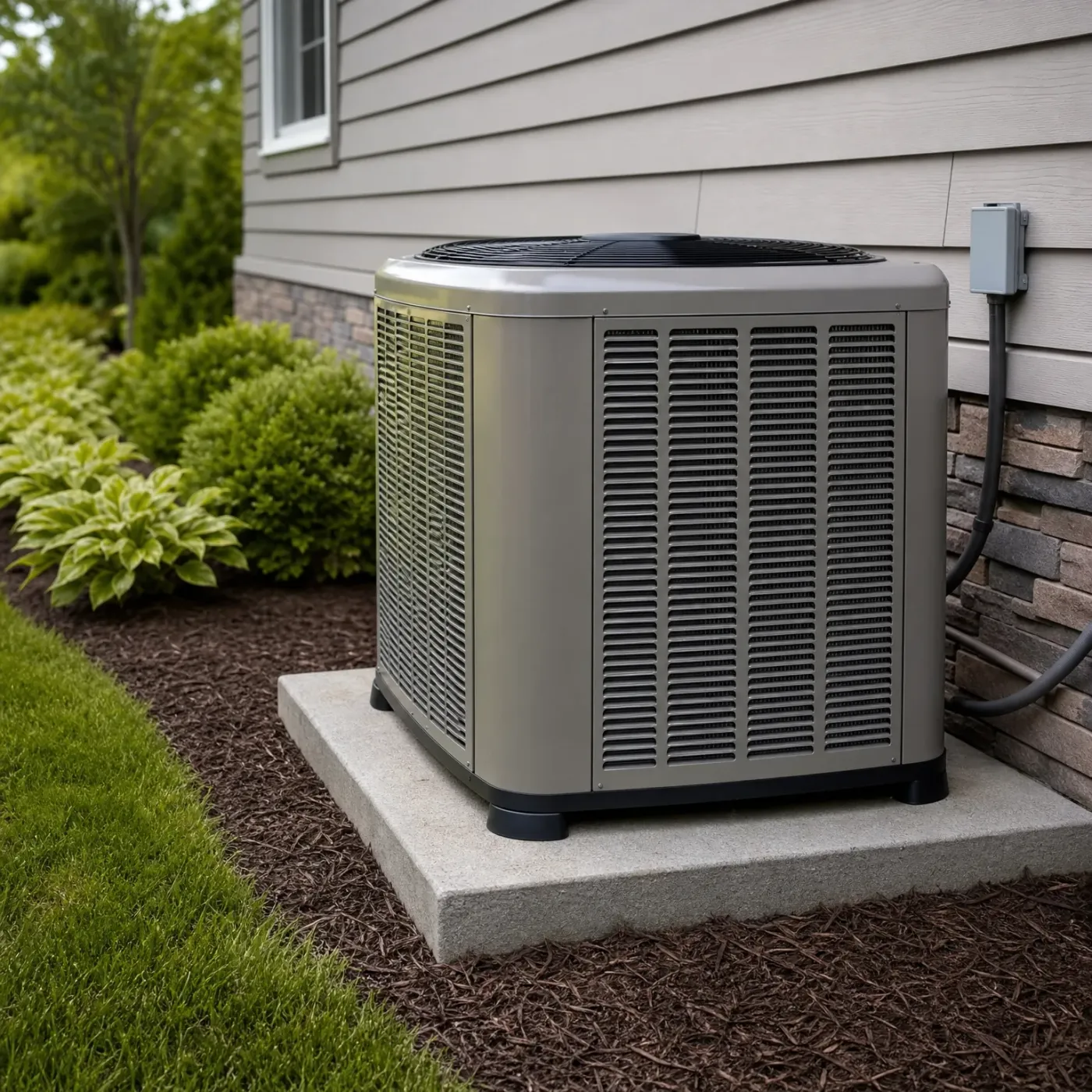
This condenser has open coils and a clear path around it. Air moves through it the way it was built to, so the system can dump the heat it pulled out of your house and keep cold air moving to every room, including the one that usually lags behind.

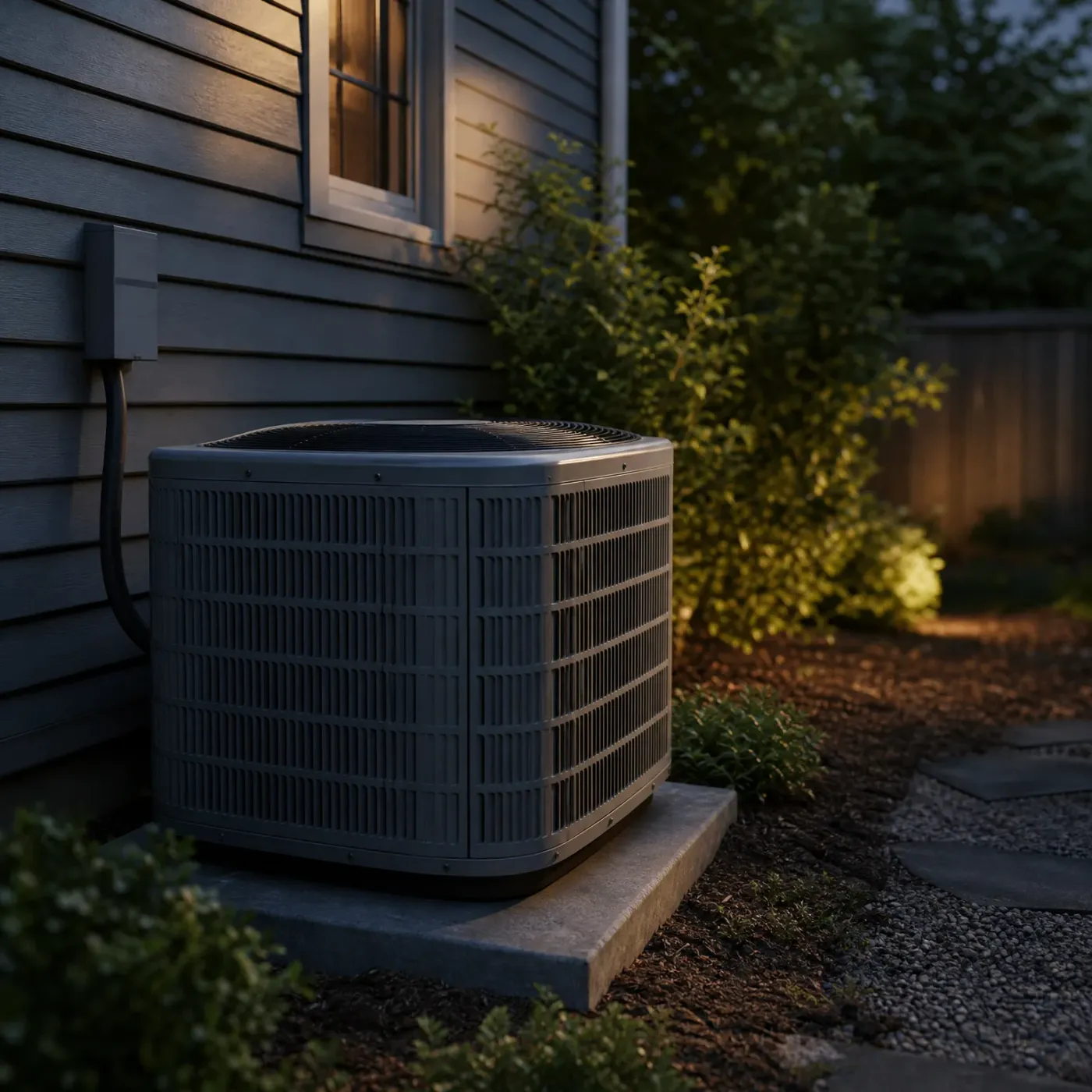
Dirt and debris packed into the coil grilles block the airflow this unit needs. It has to work harder to move the same heat, and on a hot Idaho afternoon that strain shows up first in the room furthest from the furnace, the one already getting the least air.
You already know which door to check first. It's the room that's a few degrees warmer by afternoon, the one where the vent barely stirs the air even when the rest of the house feels fine. Maybe it's a bedroom at the end of the hall, or the room above the garage. You've probably tried shutting the door to keep what cold air it gets from escaping, or pointed a fan at the vent. On a dry Idaho afternoon that gap is hard to ignore, and it tends to show up again the next day at the same time. Left alone, the system keeps running longer trying to cool a house that already reads cool everywhere else, which is wasted run time on equipment that's already working.
A contractor measures airflow at the warm room's supply vent
A smoke pencil or duct gauge finds where the air drops off
The duct run gets checked for kinks, crushed sections, or closed dampers
The branch is resized, re-run, or given a boost to carry enough air


Your request goes to one pro, not a list of companies.
After this form, you can stop searching for an air conditioner pro.
No fee to send it, and nothing to sign.
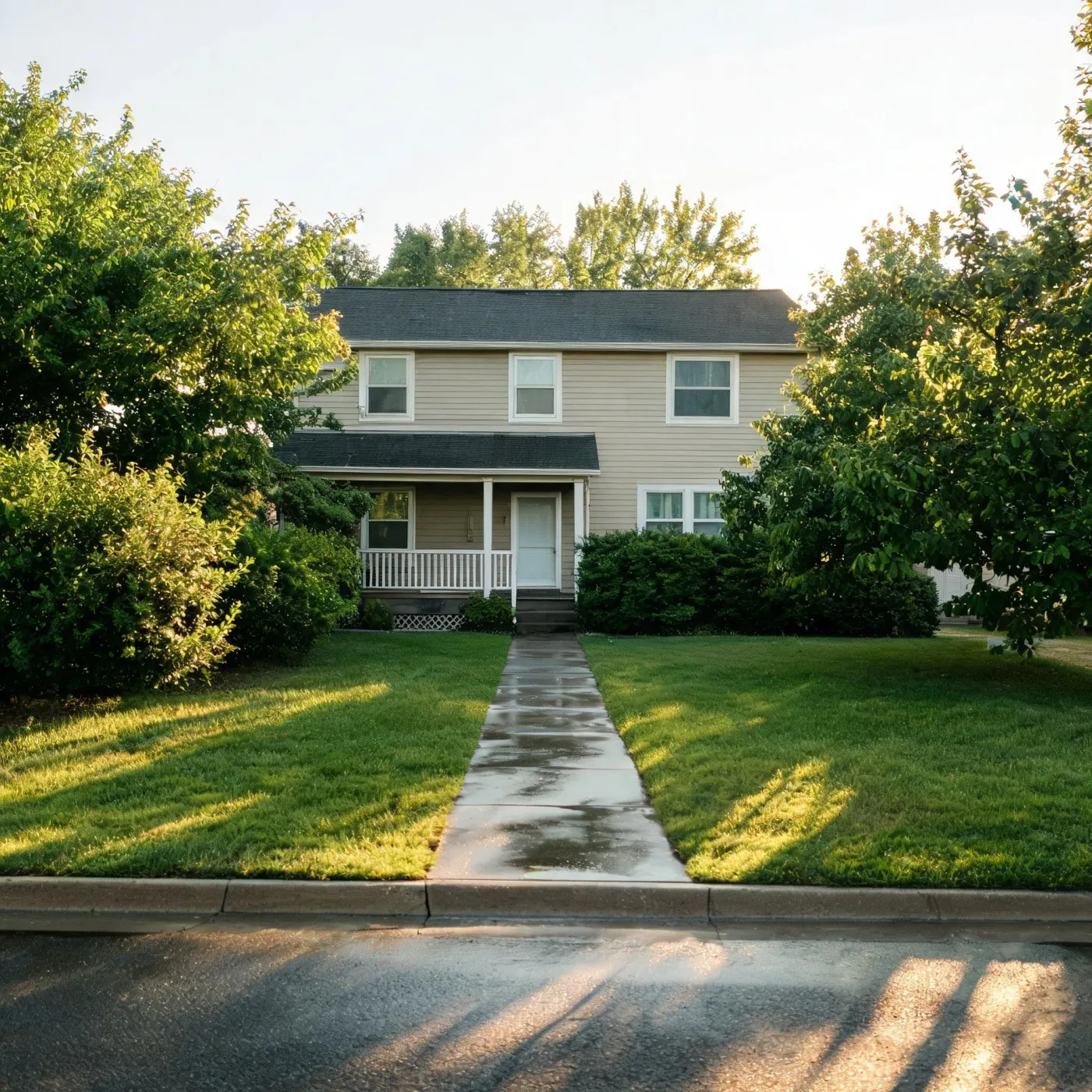
A new system should fix this, so when one upstairs room still runs hot, it's reasonable to think something was done wrong. Most of the time the equipment itself is fine. The duct running to that room was sized and routed for the house as it was built, and a new condenser or furnace doesn't change where that duct goes or how much air it can carry through the bends it already has.
Heat rises, so an upstairs room already starts warmer than the rest of the house. Add a duct run that climbs a story and takes a few turns to get there, and that room ends up with less cold air than one near the furnace. Swapping the condenser or furnace for a newer one doesn't touch that duct. The same branch, the same bends, the same distance. A contractor can check whether that duct was sized for the square footage it serves, and whether a damper somewhere along the line is holding it back. In a lot of Idaho houses, upstairs rooms just need a bigger share of the air the new system is already making.
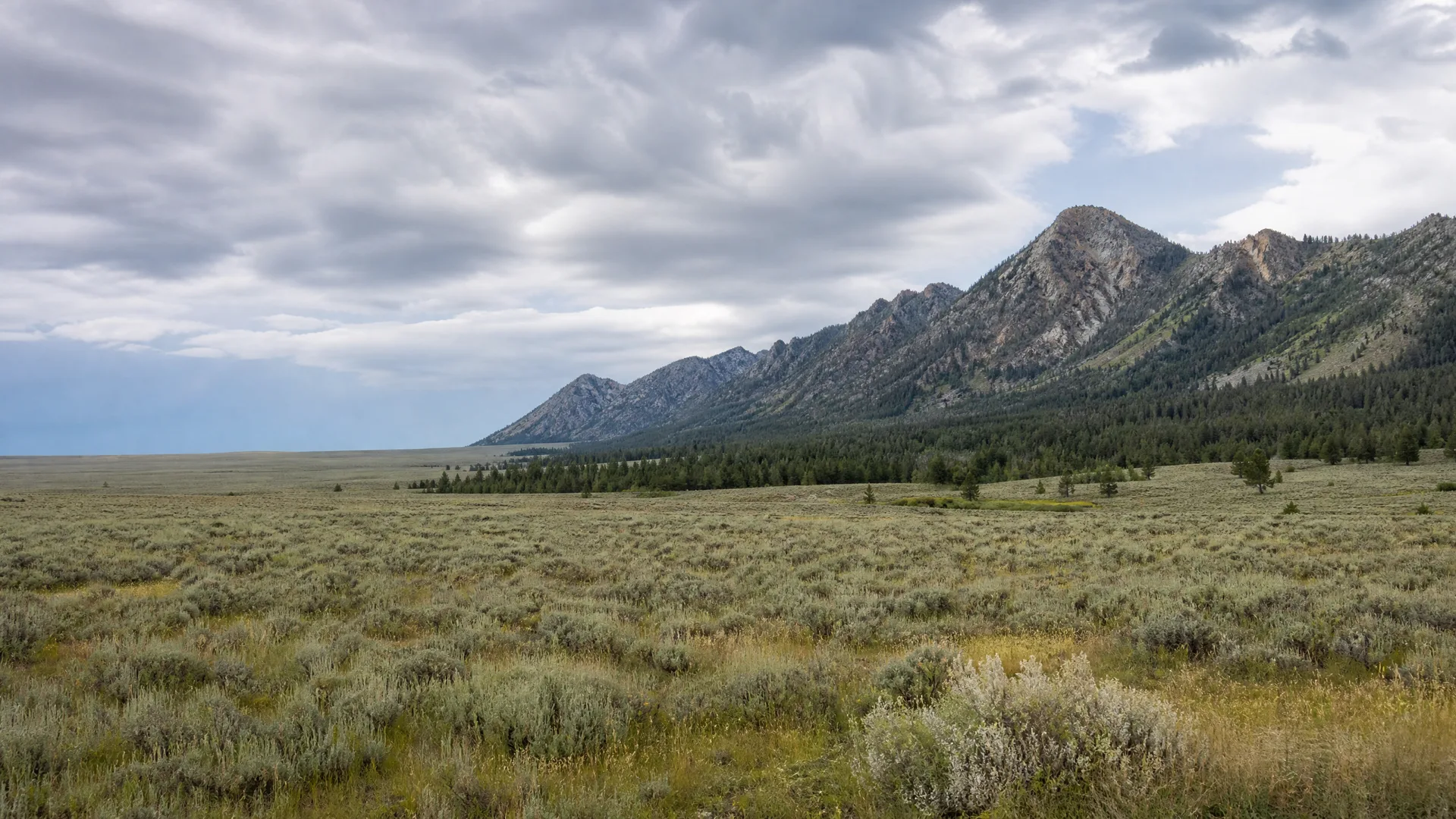
NOAA puts the summer dew point across Idaho's valleys at 42°F, which is dry air by any measure. Dry air gives your AC an easier time shedding heat, so the system as a whole shouldn't be straining. That's part of why one hot room stands out here more than it would somewhere muggy. If the whole house were fighting heavy, wet air, you might chalk up a warm room to the system just being overworked. In Idaho, dry air rules that out. When every other room cools fine and one doesn't, the problem is almost always that the air isn't reaching it, not that the air conditioner can't make enough cold air to go around.
NASA POWER T2MDEW county cells weighted by homes


At 11.83 cents a kilowatt-hour, running your AC longer to force cold air into that one room costs you less here than it would in most states. A contractor fixing the duct feeding that room is still the fix, since more runtime won't change how much air actually reaches it.
EIA-861 2025 statewide residential average
One room runs hot while the rest of the house cools fine, and that points to a duct somewhere not carrying its share of air, not a system on the edge of failing. Idaho's dry summer air means the condenser outside isn't working against the kind of humidity that pushes a system past its limit, so if the AC were struggling everywhere, you'd feel it everywhere. You don't. You feel it in one room, which is what tells you where to look: the run feeding that room, a damper near the furnace, or a return grille that's partly blocked. A contractor who's out on Idaho systems all summer has seen this pattern enough times to know where it usually traces back to, and to check those spots first instead of guessing. Finding the exact point where the air drops off is the work. That might mean a duct that was undersized when the house was built, a section that's crushed or kinked, or a damper someone closed years ago and forgot about. Whatever it is, the fix is specific to that spot, not a part swapped out because it's easier to replace than to track down the real cause. Once you send the request, it goes to one licensed contractor local to you, so you're not fielding calls from four different companies trying to win the job. After the duct or damper issue gets corrected, that room draws the air it was missing, and it cools on the same schedule as the rest of the house.

Hand off the air conditioner problem