
Should you cover your AC unit in an Idaho winter

A local pro who services air conditioners gets in touch about the tune-up.

Match me with a pro

Should I cover my AC unit for the winter in Idaho?

Idaho winters bring snow, freezing temperatures, and months where the AC sits untouched while the furnace does the work. It's natural to wonder if wrapping the unit up protects it, or if that's one more chore you don't actually need to do before the cold sets in.

No, a full cover isn't necessary

Your outdoor unit is built to sit outside year round, through snow, ice and freezing temperatures. The cabinet is weatherproof, and the parts inside are designed to handle a cold winter without any added protection. Covering the whole unit traps moisture underneath, which gives mice and other pests a dry, sheltered place to nest, and that causes more damage than the weather would on its own. If you want to do something, a flat piece of plywood or a small cover placed only over the top keeps falling debris and ice out of the unit without sealing in moisture. That's the only winter prep an Idaho AC unit really needs.

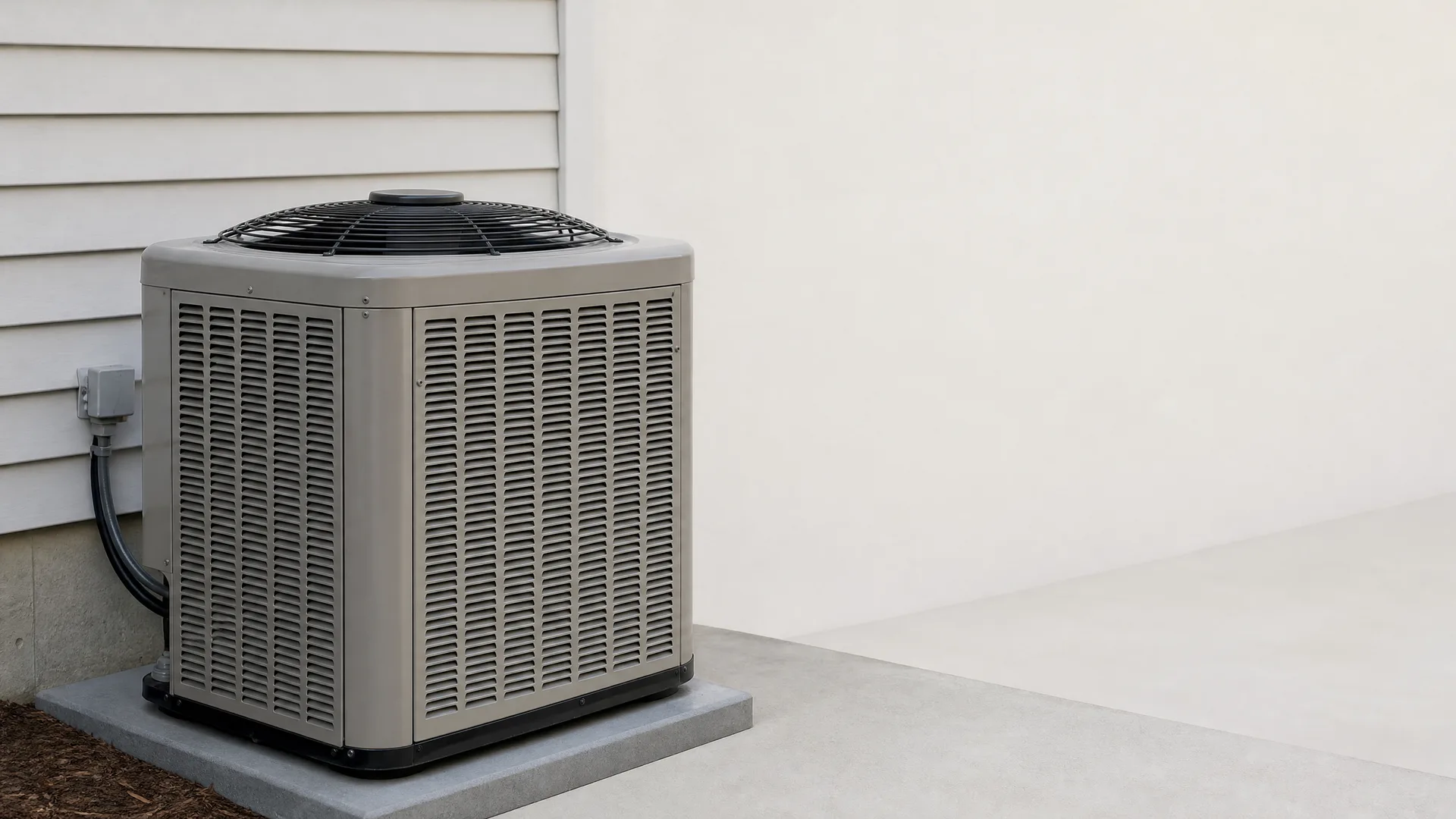
An outdoor air conditioner condenser unit on a concrete pad beside a house with horizontal lap siding, with an electrical disconnect box and conduit on the wall behind it.

Why a full cover backfires

A condenser is built to sit outside year round. It's made of weatherproof metal and sealed electrical parts that handle rain, snow, and freezing cold without trouble. A full cover traps moisture underneath instead of keeping it out. That moisture sits against the coil and the cabinet all winter, and mice and other small animals look for exactly that kind of cover when they're hunting for a warm, dry place to nest.

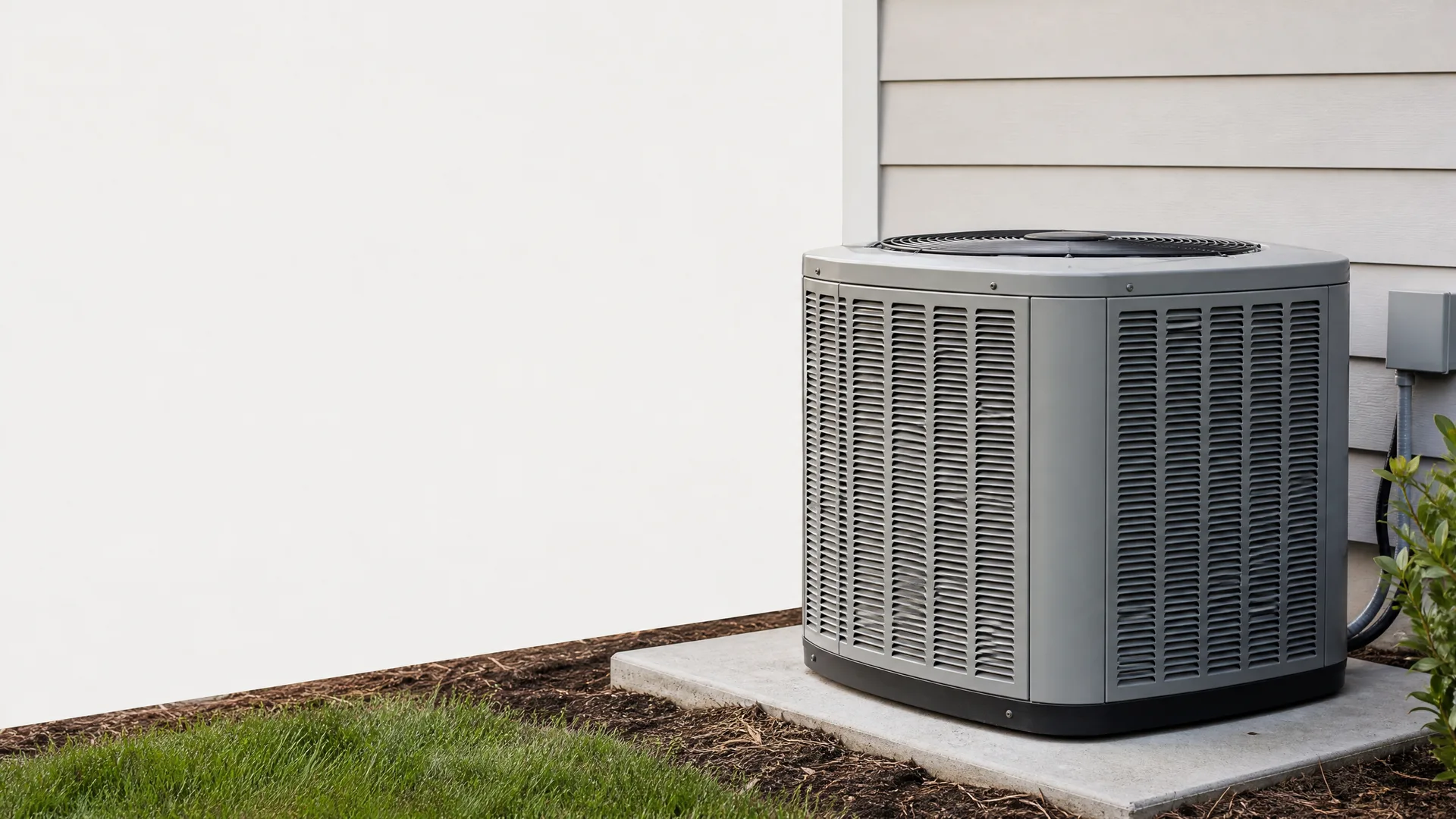
A gray outdoor air conditioner condenser unit sits on a concrete pad beside a house with light horizontal siding and a plain white wall, with mulch, grass, and a small shrub in the foreground.

What actually needs protection

The one real risk is water getting into the top of the unit and freezing around the compressor, and that only happens if snow or ice builds up directly over the open top. A flat piece of plywood or a dedicated top cover, weighed down or strapped so wind can't lift it, handles that. Leave the sides open. Airflow keeps the cabinet dry between storms, and a contractor checking the unit in spring can spot anything that needs attention before you turn it back on.

Full Cover vs. Top Cover Only

Full cover

  • Moisture gets trapped underneath and sits against the coil and the electrical parts instead of draining away.
  • A tarp or fitted cover gives mice and other small animals a dry, enclosed spot to nest in right next to the wiring.
  • Condensation that forms under a sealed cover can freeze and thaw against the fins and the fan motor all winter.
  • Plastic covers that touch the unit can trap moisture directly on the coil fins and encourage rust over time.
  • A full cover has to come off before the unit runs again in spring, which is one more thing to remember in April.

No cover, or a flat top cover

  • Leaving the unit uncovered lets snow fall off and melt away the way the condenser was built to handle.
  • A flat piece of plywood or a purpose made top cover keeps falling branches and heavy snow load off the fan without sealing the sides.
  • Open sides mean any moisture that does collect can drain and dry out instead of sitting trapped against the coil.
  • The unit is ready to run as soon as the weather turns warm, with nothing to remove first.
  • Mice and other pests have less reason to nest in a unit that isn't wrapped in a dark, enclosed cover.
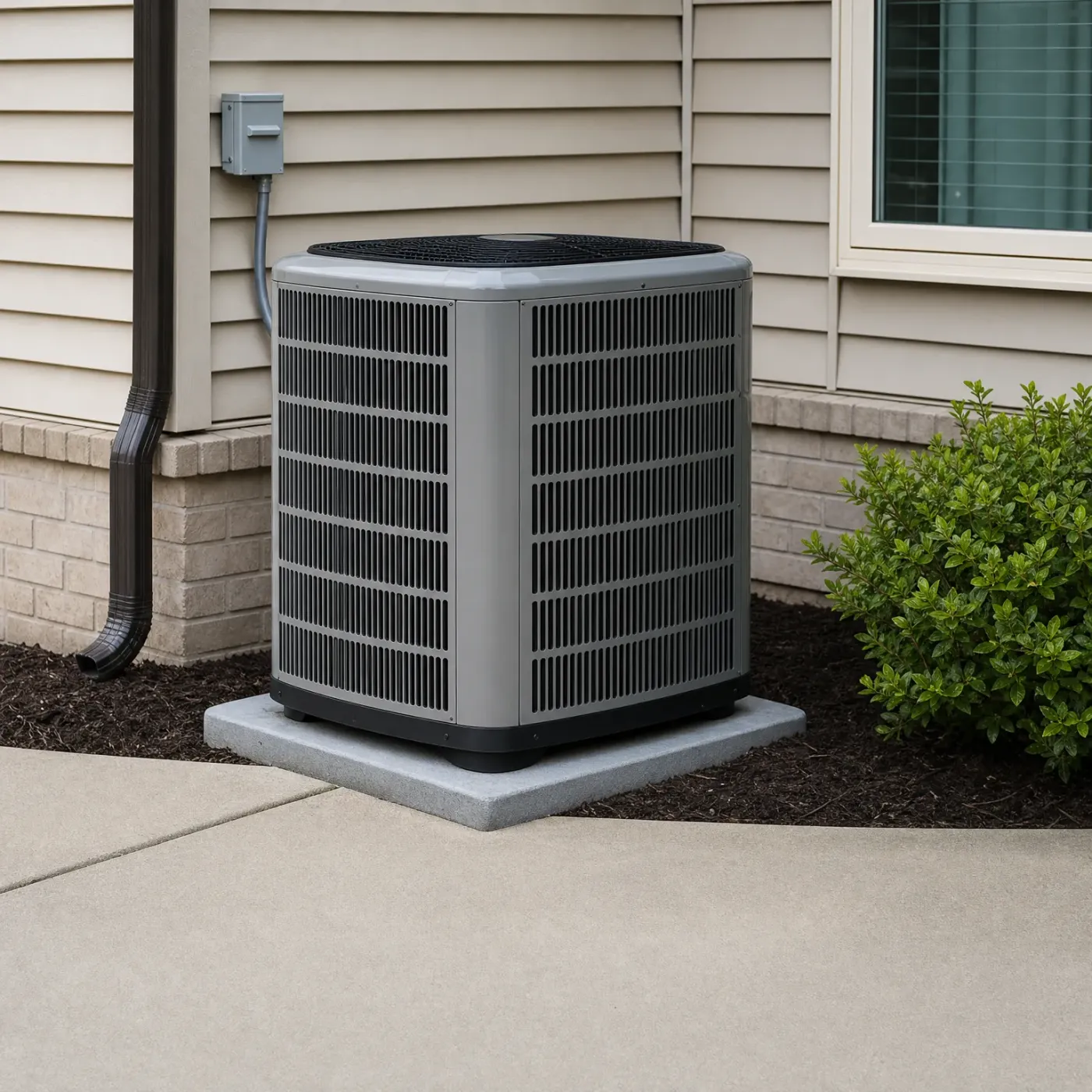
A gray outdoor air conditioning condenser unit on a concrete pad beside a house with horizontal vinyl siding, a brick foundation, downspout, electrical disconnect box, mulch bed and a green shrub.

Left uncovered

This is how the condenser should sit all winter. The cabinet sheds snow on its own, and the coil stays dry enough to handle freezing nights without issue. Come April, it starts up the same way it shut down, no mold, no nest, no trapped moisture.
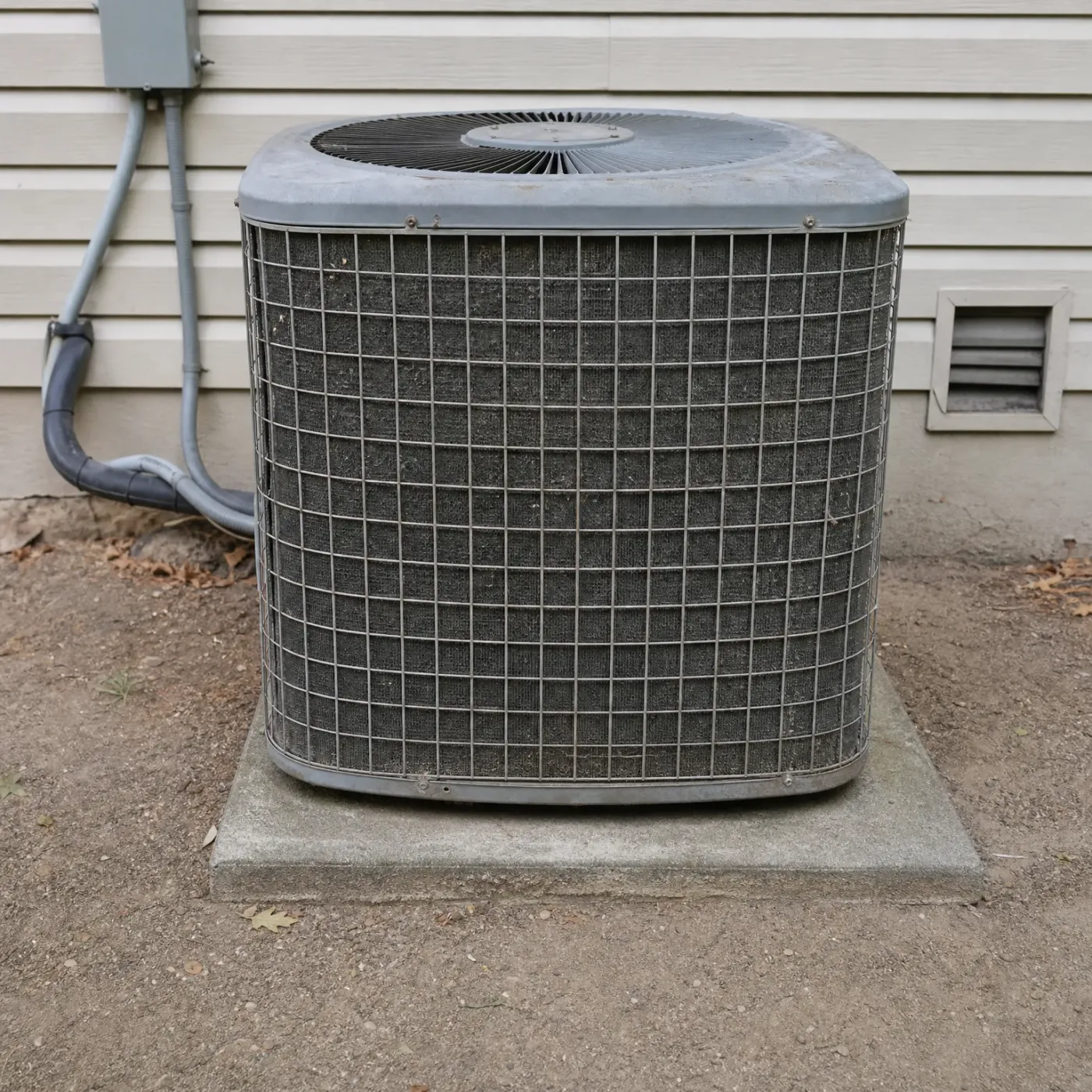

An outdoor air conditioning condenser unit with a dirty mesh coil guard sits on a concrete pad beside a house with horizontal lap siding, a wall vent, and conduit running to an electrical disconnect box.

Wrapped and neglected

This is what a cover hides, not prevents. Dirt and debris built up on the fins long before winter, and sealing it under a tarp just locks that grime against the coil. A unit left like this needs a good look before it runs again.

What's actually happening to your unit right now

Walk past your condenser this winter and you'll probably see snow sitting on top of it, maybe some ice built up on the fan grille after a freeze-thaw. That's normal. If you threw a tarp over it back in November, pull it back and check underneath. You might find the cabinet damp, a sour smell, or small droppings near the base where something made a den against the warm wiring. None of that shows up on the unit itself in spring. It shows up in May when the compressor hums but the air coming out isn't cold, because moisture got into a spot it never would have reached on its own.

A woman with long gray hair in a dark green sweater sits on a cushioned window seat with textured pillows and a knit blanket, looking out a window toward trees with yellow and orange foliage.
A gray-haired woman in a cream sweater sits under a blanket in a living room, looking out a window toward sunlit yellow foliage, with a lamp, framed landscape painting, bookshelf and potted plant behind her.
A gray-haired woman in a gray knit sweater sits in an armchair by a window with autumn foliage outside, in a room with a wooden dresser, framed picture, and a potted plant.
A gray-haired woman in a cream turtleneck sweater sits in an armchair by a window, looking out toward yellow and orange autumn foliage, with a lamp, bookshelf and side table in the dim room behind her.

A pro who works on air conditioners

You already know what's sitting out there right now, snow on the cabinet, maybe ice on the grille, and nothing wrong with it. The piece most people skip is checking what a winter of freeze and thaw, or a cover that trapped moisture against the coil, actually did before the unit turns back on in April. A contractor who works on condensers in Idaho knows what a clean shutdown looks like versus one where moisture got in, and can tell you which one you're looking at before it becomes a bigger repair in the first hot week of summer. Finding that person yourself means calling around, describing the same thing to each one, and waiting on quotes to compare. Submit the request here instead and that part is off your plate. You're left with the actual question, whether your unit is fine as is or needs a look before summer asks something of it.

If you do nothing at all

Nothing happens to the unit that wouldn't happen anyway. Snow sits on the cabinet, melts off, and the coil dries out between storms the same way it would if you'd never read this page. Idaho's cold is dry enough that the condenser isn't fighting constant wet the way it would somewhere humid. Come April, the system fires up the same way it always has. No cover, no plan, no check-in all winter, and the unit still does its job when the thermostat calls for cooling. This is the baseline every other option gets compared against, and it's already a fine one.

If you want eyes on it

Some homeowners would rather not wait until the first hot week to find out something's wrong. A contractor can look at the condenser now, before the gas furnace takes over for the winter, and flag anything worth knowing about before next summer. That's a different thing than covering it. It's not protection from weather, it's a second opinion on a system that's about to sit idle for months. If that's what you're after, the next step is getting matched with a contractor who handles this kind of check, rather than spending an afternoon calling around to find one who has the time before winter sets in.

An outdoor air conditioning condenser unit on a concrete pad beside a house with light blue horizontal siding, with a shrub to the left and a conduit and disconnect box on the wall to the right.
Before you get your air conditioner maintenance
An outdoor air conditioning condenser unit on a concrete pad beside a house with horizontal lap siding, with a gray electrical disconnect box and conduit on the wall, mulch bed and shrub to the right, and mown grass in the foreground.
After you get your air conditioner maintenance

You spend five minutes on a top cover in November. A flat piece of plywood or a purpose-made top cap keeps falling leaves and direct snow load off the fan grille, and the sides stay open so air moves through.

Come spring, the unit looks the same either way. Idaho's dry cold doesn't rust a condenser that's sitting open, so the five minutes bought you tidiness, not protection.

A woman in a cream knit sweater sits with eyes closed in a light upholstered armchair beside a window showing autumn foliage, with a ceramic mug on a side table and a lit lamp and shelves in the background.
An older man with white hair and a beard sits in a padded armchair with his eyes closed and a slight smile, wearing a gray zip-up fleece, in a sunlit room with large windows and houseplants behind him.
  1. Spring arrives and the furnace stops running for the season.

  2. The condenser starts up for the first time since fall.

  3. A technician checks the coil, the fan motor, and the refrigerant charge.

  4. The unit runs its first cooling cycle of the year.

A man in a gray polo shirt holding a clipboard walks up a paved path toward a light-colored house where a woman stands in the open front doorway.

What a mouse nest costs you in April

Picture the first hot day. You go flip the AC on and nothing happens, or it runs but doesn't cool. You go outside and pull a cover off and find out why: a nest in the fan grille, corroded wiring from moisture that sat all winter, a coil that's been blocked since December. Now you're calling around in May trying to find someone who can come out before the heat really sets in, describing the same problem to three different shops, comparing quotes while your house sits at 85 degrees.

None of that starts with the unit. It starts with the cover. Skip it and you skip that whole spring scramble. If you'd rather not sort through who's available and who isn't, a contractor who handles this kind of call can reach out directly and look at your specific setup, so you're not the one doing the legwork while it's already hot.

Interior corner with a beige sofa holding a dark green and a light cushion and a textured throw, a potted small-leaved tree beside a white-framed window, and a dark shallow bowl on a wooden coffee table in the foreground.
A two-story house with light horizontal siding, a gabled roof and a white front door, set on a grassy lawn between two leafy trees, with a wet street and sidewalk in the foreground under low sunlight.

Idaho summers don't feel as heavy as they could, because the air itself is dry. The dew point averages 42°F across June, July and August, measured from local weather data. That's the number that drives how your condenser works: a low dew point means the air gives up its moisture easily, so the coil doesn't fight the thick, wet air that wears on units in muggier states. Your system here spends less effort wringing moisture out of the house and more just moving heat. It's one reason a condenser left alone all winter, uncovered, holds up fine by April. Dry air outside in July, dry cold in January, the same unit handles both without needing anything wrapped around it.

NASA POWER T2MDEW county cells weighted by homes

A gray outdoor air conditioning condenser unit on a concrete pad beside a house with horizontal siding and a stone veneer base, with refrigerant line and electrical disconnect box on the wall and flowering shrubs to the left.
An uncovered condenser sheds snow on its own and dries out between storms, ready to run the day you need it.
An outdoor air conditioner condenser unit on a concrete pad beside a house with light gray horizontal siding, with mulch and green shrubs on either side and a concrete walkway in the foreground.
A cover left on all winter traps moisture against the coil and gives mice a dry place to nest by the wiring.

Power costs 11.83 cents per kilowatt-hour statewide

At 11.83 cents a kilowatt-hour, running your condenser costs you nothing all winter, because it isn't running. Gas heats most Idaho homes anyway. The only real cost of a bad winter is a nest or a corroded fan motor you pay to fix come April.

EIA-861 2025 statewide residential average

Leave the condenser alone this winter. No cover, no tarp, no plywood box around the whole thing. Idaho's snow sheds off the cabinet on its own, the cold here is dry enough that the coil doesn't sit wet, and the one thing a full cover does is give mice a warm dry spot next to the wiring. A top cap over the fan grille is the only thing worth doing, and that's optional. Come spring, the real question isn't whether you covered it. It's whether it starts clean on the first hot day or needs a technician to clear a nest and check a corroded fan motor first. If you'd rather not spend a spring afternoon calling around for someone who works on your equipment, explaining the same thing twice, and sorting through quotes, you can get matched with a contractor who handles this and have them reach out to you directly.

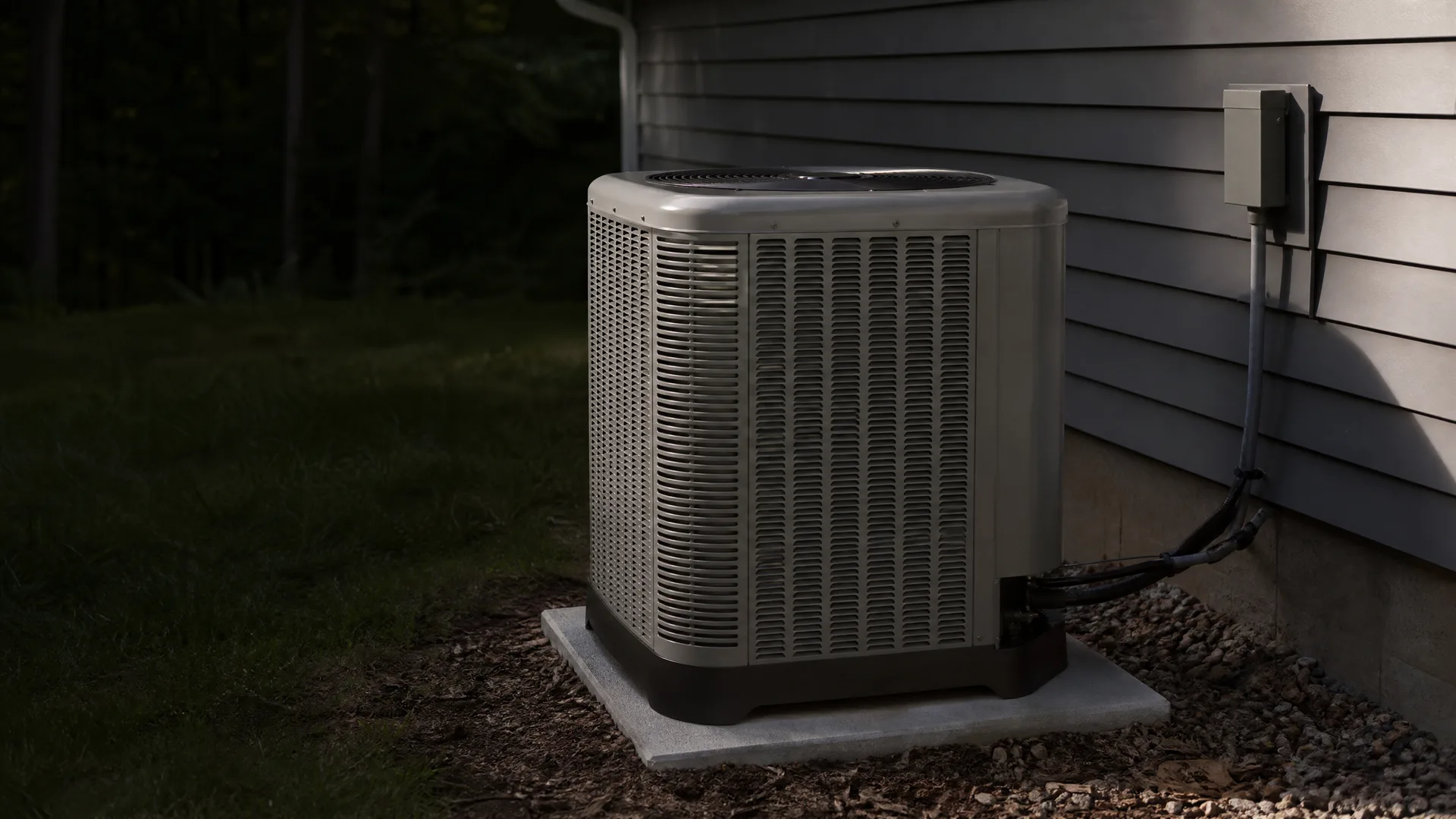
An outdoor air conditioning condenser unit sits on a concrete pad beside a house with horizontal lap siding, with a wall-mounted disconnect box and refrigerant lines entering the wall, gravel and grass around it and dark trees behind.

Get your air conditioner to the right pro

Tune-up, service, or cleaningCentral ACIdaho
Step 1 of 2

What ZIP code is the job in?